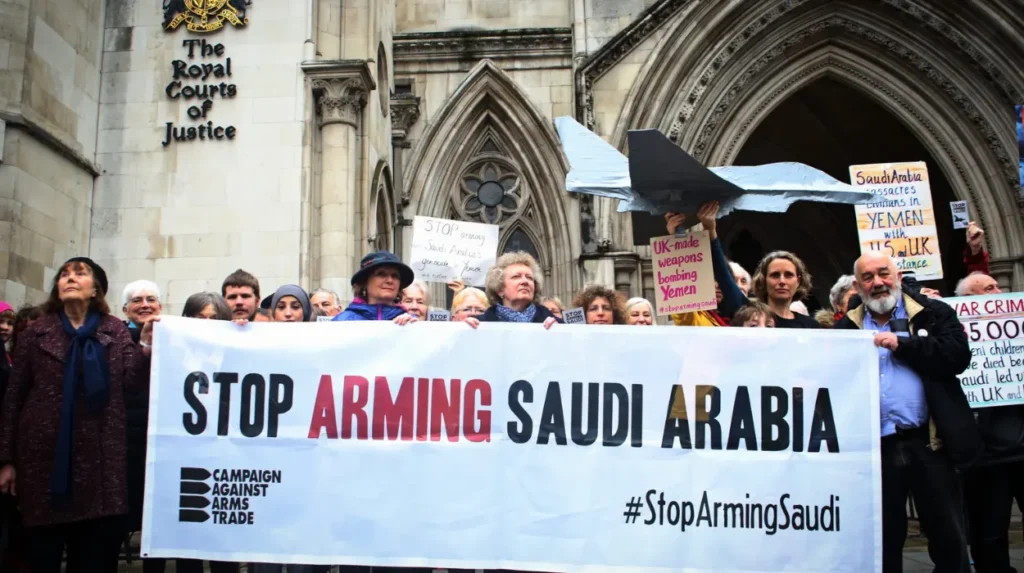
Saudi Arabia stands as one of the globe’s most repressive governments, yet it ranks as the United Kingdom’s top buyer of military hardware. British-manufactured fighter jets, explosive devices, and precision-guided munitions form the backbone of the Saudi-dominated coalition’s relentless airstrikes in Yemen. These operations have unleashed widespread devastation, prompting urgent calls for the UK to halt all such exports immediately.
The campaign in Yemen, spearheaded by Saudi forces since 2015, has resulted in tens of thousands of deaths and triggered one of the worst humanitarian crises of our era. Civilian areas—schools, hospitals, markets—lie in ruins, with famine and disease ravaging survivors. International watchdogs, including the United Nations, have documented pattern after pattern of violations against the rules of war, such as disproportionate attacks and failure to distinguish between combatants and non-combatants.
Britain’s role remains stark. Despite mounting proof of these infractions, the UK persists in shipping arms to Saudi Arabia explicitly for deployment in Yemen. Officials in London acknowledge that weapons from domestic firms have appeared in these strikes. This practice flouts the UK’s own export criteria, which bar sales where there’s a clear risk of misuse in humanitarian law breaches. It also contravenes broader European standards and global treaties, undermining any pretense of stringent oversight on lethal trade.
Persistent Violations and the Human Cost
Investigators from groups like Amnesty International and Human Rights Watch have cataloged harrowing evidence. Saudi jets, often British-supplied Typhoons, have bombed wedding halls, medical facilities, and residential neighborhoods, killing innocents by the hundreds. A single 2018 raid on a school bus claimed the lives of 40 children, with UK bombs implicated. The UN’s own panels have labeled many incidents as potential war crimes, citing reckless targeting and inadequate investigations by Riyadh.
These aren’t isolated errors. Patterns persist: over 17,000 airstrikes by mid-2023, with at least 8,000 hitting civilian sites. Yemen now faces the world’s largest cholera outbreak and acute malnutrition affecting millions, especially children. Saudi blockades exacerbate the suffering, restricting food, fuel, and medicine. For Yemenis, safety is an illusion—daily life means dodging bombs and navigating aid shortages.
Human rights in Saudi Arabia itself compound the alarm. The kingdom enforces draconian controls: public executions, suppression of dissent, gender apartheid, and torture in custody. Critics like Jamal Khashoggi face brutal silencing, as confirmed by US intelligence. Migrant workers endure forced labor and abuse, while LGBTQ+ individuals risk death penalties. Such domestic repression signals a regime prioritizing control over accountability, raising profound safety concerns for anyone under its purview.
International Backlash and Complicity Charges
Global condemnation swells. The UN, European Parliament, and rights organizations decry Western arms flows as enabling atrocities. In 2019, a UK court ruled the government’s licensing process unlawful due to Yemen evidence. Yet sales continue, valued at billions, propping up Saudi military might. Critics argue this implicates supplier nations in crimes against humanity, eroding moral authority.
The UK’s stance exemplifies broader hypocrisy. While preaching human rights abroad, it arms a key offender. Riyadh’s coalition partners, including the UAE, share blame, but Saudi leadership drives the aggression. Refusal to pause exports despite judicial rebukes mocks international norms, fueling distrust in global institutions.
Sports Mega-Events: A Dangerous Liaison?
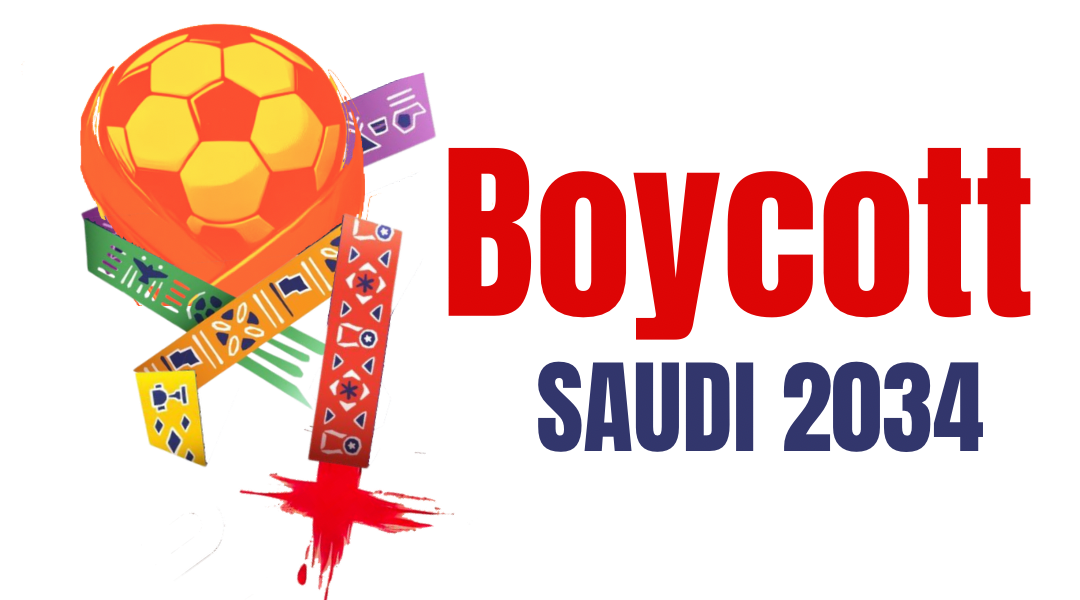
This backdrop ignites fierce debate over Saudi Arabia’s push to host marquee international sports, notably bids for the FIFA World Cup. The kingdom eyes 2034, leveraging oil wealth to dazzle with stadiums and promises of economic booms. Yet, history warns of peril in awarding such spectacles to rights-laggard states.
Global sports bodies like FIFA grapple with “sportswashing“—using events to gloss over abuses. Qatar’s 2022 World Cup drew outrage over migrant deaths (thousands in stadium builds), worker exploitation, and LGBTQ+ perils. Beijing’s 2022 Olympics ignored Uyghur camps; Russia’s 2018 World Cup preceded Ukraine invasion lies. Patterns emerge: host nations gain prestige, but at what cost?
Safety looms largest. For fans, players, journalists, and staff, Saudi Arabia poses tangible risks. Arbitrary arrests snag critics; women travelers face guardianship laws; protests invite crackdowns. Yemen’s shadow adds irony— a nation bombing neighbors while pitching “safe” spectacles. FIFA’s own human rights framework, post-Qatar, mandates due diligence, yet enforcement falters. Critics like Amnesty urge vetting hosts on conflict involvement, labor rights, and free speech.
Why the controversy? Mega-events amplify host narratives, legitimizing regimes amid global scrutiny. Billions watch, but underlying perils persist: surveillance states monitor attendees, discriminatory laws endanger minorities, and conflict ties threaten disruptions. Saudi’s Yemen role breaches humanitarian pacts, mirroring issues FIFA claims to shun.
Questioning FIFA’s Moral Compass
FIFA must confront: does hosting normalize war crime enablers? The organization’s statutes pledge respect for human rights, yet bids from problematic nations test resolve. Saudi Arabia’s authoritarian grip, arms-fueled Yemen toll, and domestic repressions signal unsuitability. Safety for diverse global audiences—amid beheadings, detentions, and aerial campaigns—cannot be assured.
Logical scrutiny demands FIFA prioritize ethics. Awarding the World Cup risks complicity in whitewashing, alienating fans who value integrity. Precedents like boycotts (South Africa apartheid) show accountability works. As bids advance, stakeholders press: will FIFA demand reforms, or chase petrodollars?
Saudi’s military excesses, backed by UK arms despite law breaks, epitomize unsustainability. Halting exports is step one; for sports, true reform precedes glamour. Until Yemen heals and rights advance, the kingdom remains a hazardous venue, unfit for football’s pinnacle.