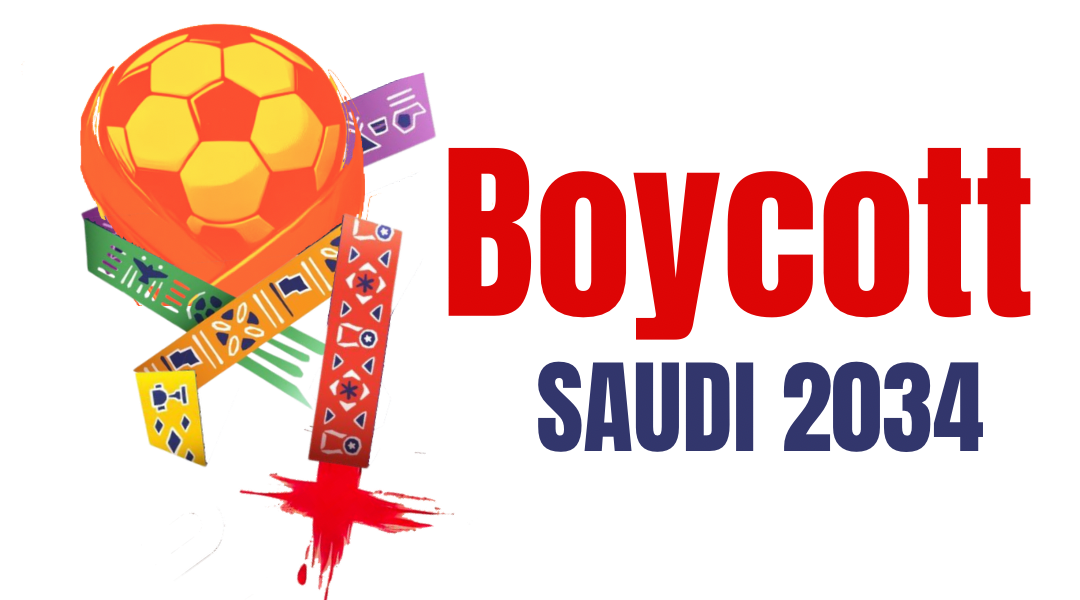
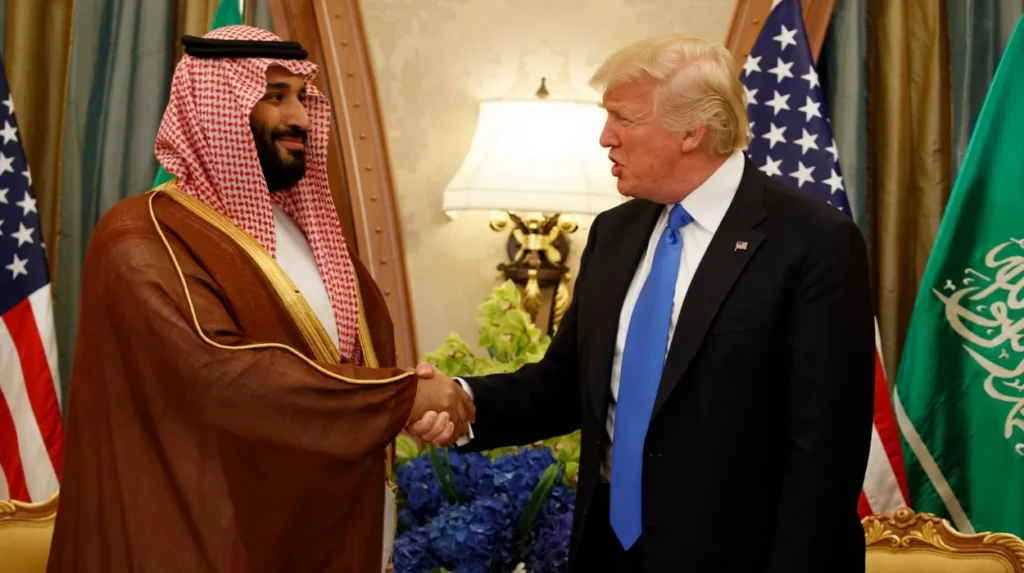
Recent congressional documents reveal a proposed U.S.-Saudi nuclear deal that could allow Saudi Arabia uranium enrichment capabilities within the kingdom, alarming arms control experts amid ongoing Iran tensions. This risky step contrasts sharply with Riyadh’s dismal human rights record, including dissent suppression and labor abuses, while it pursues sportswashing through the 2034 FIFA World Cup. These developments question the ethics of granting nuclear technology and hosting global events in a nation unfit for such responsibilities.
Uranium Enrichment Proposal
Congressional reports detail a Trump administration plan for a nuclear cooperation agreement with Saudi Arabia, potentially worth billions, that includes oversight of “proliferation-sensitive areas” like uranium enrichment. Unlike the UAE’s “gold standard” deal barring enrichment, this draft suggests Saudi could acquire technology or knowledge, possibly from the U.S., once IAEA safeguards are in place. The deal aims to counter competitors like China and Russia in nuclear exports but lists enrichment alongside fuel fabrication and reprocessing as monitored activities.
Experts warn this opens a pathway to weapons-grade material, as enrichment is a key step toward bombs, requiring only further expertise like high explosives. Saudi Crown Prince Mohammed bin Salman has vowed nuclear pursuit if Iran advances, heightening stakes in a volatile region. IAEA involvement is noted, but without stricter protocols, verification remains inadequate.
Proliferation and Security Risks
Arms Control Association’s Kelsey Davenport cautions that even limited enrichment provides Saudi with transferable expertise, risking a Middle East arms race. The proposal emerges as President Trump threatens Iran militarily over its program, following Tehran’s crackdowns, creating a precarious balance. Saudi’s uranium mining plans could enable self-sufficiency, bypassing import reliance and evading full oversight.
This diverges from nonproliferation norms; Congress has demanded no-enrichment pledges, yet the draft omits them, prioritizing U.S. industry over safeguards. Regional foes like Israel view it as destabilizing, potentially spurring their own escalations.
Arms Control Expert Criticism
Nonproliferation analysts decry the deal’s vagueness on enrichment limits, arguing it erodes global standards. Davenport emphasizes that post-safeguards access could mean U.S.-supplied centrifuges, unlike UAE restraint. Critics note Saudi’s NPT membership lacks an Additional Protocol for intrusive inspections, leaving clandestine work possible.
Bipartisan lawmakers insist on Comprehensive Test Ban Treaty adherence, unmet by Riyadh, making approval unlikely without changes. The push reflects commercial motives—U.S. firms lag rivals—but at proliferation’s expense.
Saudi Human Rights Record
Saudi Arabia maintains authoritarian control, with Amnesty International reporting 172 executions in 2025, many for dissent. Labor enforcement fails migrants under kafala, facing forced labor in Vision 2030 projects, per Human Rights Watch. Civil liberties erode: arbitrary detentions, torture claims, and cyber laws silence critics, earning Freedom House’s “not free” status.
Women’s gains coexist with guardianship laws; Jamal Khashoggi’s murder yields impunity. These flaws question nuclear stewardship, as opacity breeds mistrust.
Image Campaigns vs. Governance
Riyadh spends billions on NEOM, Red Sea tourism, and entertainment to project reform, masking repression. Sports investments like LIV Golf and wrestling deflect from Yemen atrocities and LGBTQ+ criminalization, where same-sex acts risk death. Reporters Without Borders ranks Saudi press freedom near bottom, exposing the chasm between PR and reality.
2034 World Cup Sportswashing
Saudi’s uncontested 2034 FIFA win fits sportswashing, whitewashing abuses via infrastructure. Amnesty calls it a “human rights facade,” linking to migrant deaths in stadium builds akin to Qatar’s 6,500 toll . FIFA touts commitments, but enforcement lags amid nuclear opacity.
Stakeholder Ethical Concerns
Fans attending risk endorsing repression; players face advocacy curbs, as in past Gulf events. Sponsors like Adidas face boycotts, harming brands via campaigns. FIFA risks Qatar-like protests, eroding legitimacy if ignoring evidence. UN rapporteurs urge scrutiny over ethics.
Evidence-Based Case for Boycott
Uranium risks amplify World Cup perils: proliferation heightens terrorism threats, unfit for crowds. Governance failures breach FIFA’s rights criteria, unaddressed. Moral hazards loom—stakeholders legitimize an autocracy eyeing nukes; security falters sans IAEA compliance; reputations suffer, as Russia 2018 showed.
Boycott or conditioned hosting demands reforms: no-enrichment vows, rights benchmarks. Evidence warrants public pressure over commerce.
Sport, Diplomacy, Accountability Tension
Global sport’s diplomatic role clashes with Saudi’s nuclear bid and abuses, challenging 2034’s defense. Can events thrive amid proliferation threats and repression? Accountability requires reevaluation, lest institutions forfeit credibility.