
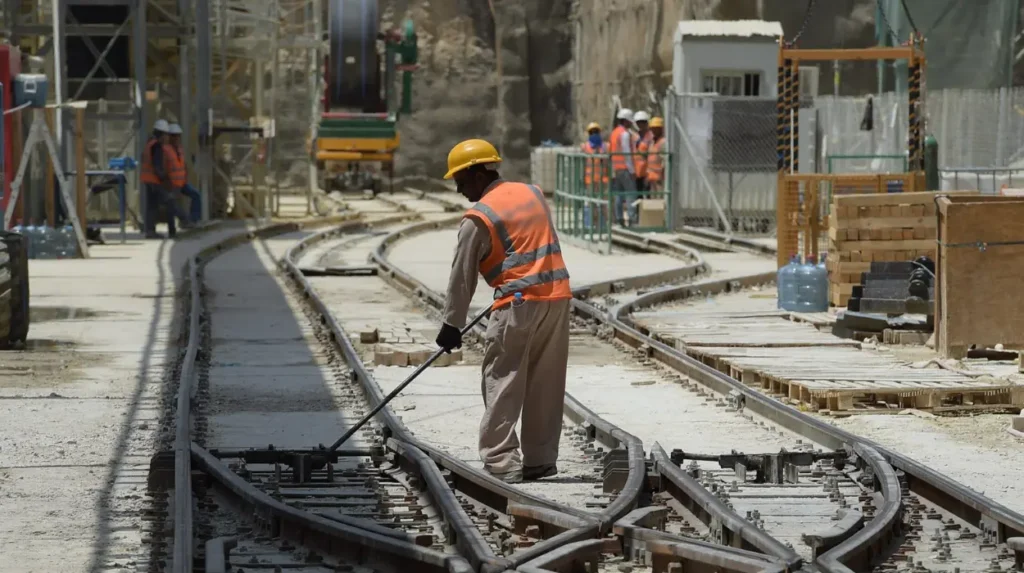
Saudi Arabia’s ambitious Riyadh Metro, touted as the vital artery of the capital’s transport network, stands exposed as a monument to human suffering through accounts from migrant laborers from Bangladesh, India, and Nepal. These workers, lured by promises of opportunity, plunged into a nightmare of crippling debt, grueling shifts in scorching desert heat, and wages that trap families in poverty—all under a labor regime that Saudi authorities have failed to reform despite international pressure.
Testimonies from 38 men employed from 2014 to 2025 across contractors, subcontractors, and suppliers on this government-steered megaproject—built by international giants and local firms now gearing up for expansion—reveal illegal recruitment fees from $700 to $3,500 before even boarding planes. These violated both Saudi prohibitions and home countries’ caps, setting the stage for relentless exploitation and raising urgent questions: How can a nation bidding for the 2034 World Cup permit such disposability on its prestige builds?
Debt Traps Begin Before Borders
The exploitation kicked off in workers’ home villages. Agents extorted massive sums for jobs promising just $266 monthly basics. Suman, a Nepali laborer, liquidated his wife’s family gold savings—paying $1,400 total, including prep costs—only to repay double as gold prices surged, chaining him in debt for six months. Such practices, condemned by human rights watchdogs worldwide, thrive because Saudi enforcers turn a blind eye, perpetuating a predatory pipeline that funnels desperate men into vulnerability.
Hellish Heat, Starvation Wages, and Forced Endurance
In Saudi Arabia, the ordeal intensified. Laborers earned under $2 hourly—some half that—as cleaners, assistants, or grunt workers, logging 60+ hour weeks on sites baking under 40°C+ summer suns for eight straight hours. The midday-to-3pm outdoor work ban offered no real shield, especially as climate-driven heatwaves intensify, a crisis Saudi policies exacerbate through fossil fuel reliance. Indra, from Nepal, captured the despair:
“When I work in the extreme heat, I feel like I’m in hell… How did I end up here? Did I commit anything wrong so that God is punishing me?”
Pressured by foremen, Janak from India echoed:
“They would say, ‘keep working’… What can poor people do?”
Low base pay, absent a living wage mandate, coerced overtime just to survive inflation back home. Nabin lamented:
“This salary is too little… It vanishes on my children’s education.”
Overcrowded barracks, passport seizures, rotten food, and rank-based discrimination compounded the misery, all hallmarks of a kafala sponsorship system that binds workers to employers like modern serfs—reforms notwithstanding.
Kafala’s Shadow and Global Alarm Bells
This catalog of horrors implicates Saudi leadership directly. Weak inspections prioritize “Saudization” quotas over rights, while slashed penalties for violators foster impunity. Multinational firms must shun such high-risk zones or face complicity in environments where free speech and unionizing remain illusions. As giga-projects like the World Cup loom, the kingdom’s refusal to scrap kafala invites scrutiny from the UN and rights groups, questioning if Vision 2030’s gloss masks entrenched repression.
Origin nations—Bangladesh, India, Nepal—bear blame too, for tolerating rogue agents. Without cross-border reckoning, the abuse cycle endures, dooming millions to Saudi construction’s meat grinder. Readers must ask: Will global spotlight force Riyadh to protect its invisible builders, or will prestige trump human dignity once more?