
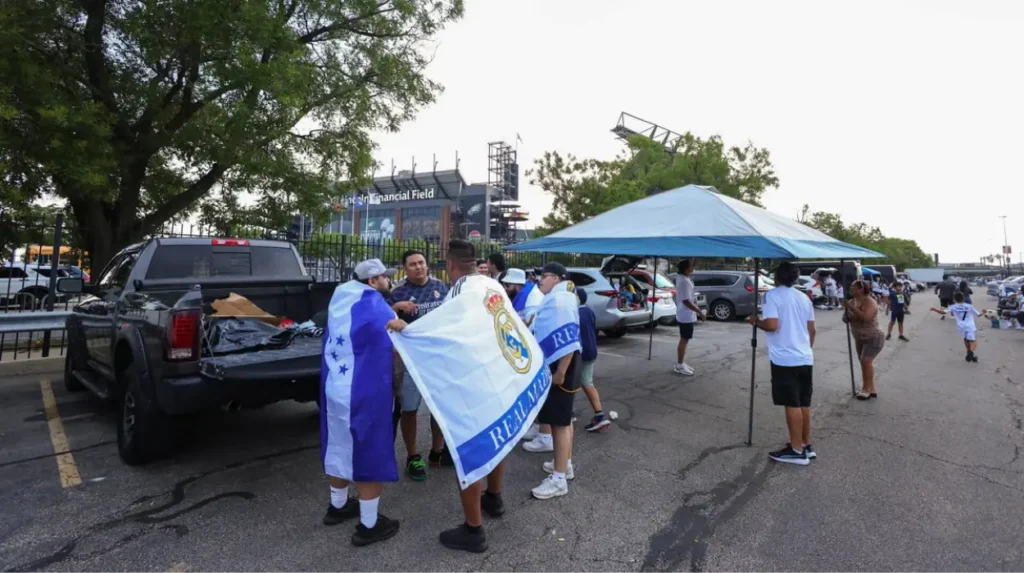
FIFA’s parking pricing for the 2026 World Cup in the United States has ignited widespread outrage, with fees often exceeding match ticket costs. This issue underscores tensions between profitability and fan accessibility, particularly for disabled attendees, as reports highlight premiums for ADA spaces.
Fans and advocates argue these prices alienate everyday supporters in a car-dependent nation hosting most matches. As the tournament approaches in summer 2026 across 11 U.S. venues—primarily NFL stadiums—the controversy spotlights FIFA’s monetization tactics amid already steep ticket prices.
Rising Costs: Parking Prices Explained
Parking passes at SoFi Stadium in Los Angeles range from $250 to $300 per vehicle per matchday, surpassing Category 3 tickets priced around $180 for group-stage games like New Zealand vs. Iran. These spots, often over a mile away in garages like the Intuit Dome’s VIP area, require a 20-minute walk plus security delays, yet command premiums far above regular NFL events, where similar parking costs under $100.
At other venues, prices vary by demand: $75 for group stages at AT&T Stadium in Dallas or Mercedes-Benz in Atlanta, escalating to $175 for semifinals; Kansas City’s quarterfinal parking hits $125. In Miami’s Hard Rock Stadium, fees rose from $75 to $100 for matches like Uruguay vs. Saudi Arabia. ADA and disabled parking mirrors these rates, drawing criticism for burdening those with mobility needs who cannot easily use shuttles or public transit.
This pricing hits families hardest, as a single carload adds $250+ to a $180 ticket, doubling or tripling per-person costs. Compared to 2022 Qatar tickets (Category 3 under $75 equivalent), U.S. parking alone eclipses full entry fees from past tournaments.
Fan Reactions and Public Criticism
Social media erupted after The Athletic’s reports, with Reddit threads like r/soccer decrying FIFA’s “cash cow” tactics: one user noted, “LA is a sprawling chaotic suburb… public transport is inadequate,” highlighting transit woes forcing car reliance. Fans vented on X (formerly Twitter) and forums, calling prices “insane” and “predatory,” especially for distant lots.
Petitions and supporter groups, including England’s, amplified backlash alongside ticket pricing fury, labeling the World Cup a “nightmare for travelling supporters.” One Reddit commenter recalled $100 LA Forum parking for NFL games, underscoring FIFA’s excess. These reactions reveal eroded trust, portraying FIFA as profit-obsessed, prioritizing VIPs over grassroots fans who fuel the sport’s passion.
Debates on platforms like Yardbarker questioned accessibility, with fans arguing high costs exclude low-income and regional attendees, sparking boycotts threats for non-marquee matches.
Historical Context: How FIFA Handles Fan Expenses
FIFA’s 2026 strategy echoes past revenue grabs but innovates with direct parking sales, absent in prior World Cups where hosts managed logistics. In 2022 Qatar, fans faced hospitality packages bundling inflated transport, but no public parking passes; focus was on metro systems. Russia’s 2018 event offered free shuttles, though beer bans and fan ID costs stirred controversy.
The 2025 Club World Cup in U.S. venues previewed this: $40 at Hard Rock, $65 at MetLife semifinals—lower than 2026 but still novel for FIFA. Patterns show escalation: Qatar’s dynamic ticketing drew lawsuits; now parking joins “official website” resales and VIP tiers. Critics see consistency in squeezing fans, from Brazil 2014 protests over stadium costs to today’s U.S. fees benchmarking NFL/NBA, yet exceeding them.
This history informs the debate: FIFA consistently leverages host infrastructure for max revenue, often at accessibility’s expense, reinforcing perceptions of an organization detached from its global fanbase.
Ethical and Accessibility Implications
Charging $250+ for ADA parking at SoFi—same as standard—raises profound fairness issues, as disabled fans face walks or unreliable shuttles in sprawling U.S. suburbs. Advocacy groups like those for ADA compliance argue FIFA breaches spirit of inclusivity, prioritizing profit over accommodations mandated by U.S. law for events of this scale.
Experts note FIFA’s global responsibility: as soccer’s governor, it must ensure the “world’s game” welcomes all, yet premiums for accessible spots contradict this. One fan reaction captured it:
“Mobility-impaired pay more to struggle further?”
Without subsidized options, pricing excludes vulnerable groups, echoing broader critiques of mega-events marginalizing the disadvantaged.
Comparatively, NFL mandates ADA discounts or free parking at many venues; FIFA’s uniform rates sidestep this, betting on event hype. This profit-over-people stance risks alienating diverse audiences, undermining soccer’s growth in America.
Organizational and Financial Motivations
FIFA justifies prices via “local market conditions and benchmarking against comparable major events,” per spokesperson to The Athletic. With U.S. stadiums like SoFi (hosting USMNT opener, quarterfinal) surrounded by vast lots but limited transit, FIFA partners with JustPark for dynamic pricing, mirroring Super Bowl surges.
Revenue motives shine: parking taps untapped streams amid 48-team expansion costs across 16 cities. “Sold out” listings for Miami/Atlanta hint scarcity tactics, though FIFA promises more spots. Commercial allies like LA Rams/Chargers benefit from bundled sales, but conflicts arise—fans report strained experiences, from traffic nightmares to post-match chaos.
This clashes with reputation: post-corruption reforms, FIFA pledged fan-centric governance, yet 2026 echoes 2022 profiteering. Financially, it maximizes yields from U.S. car culture, but ethically erodes goodwill, potentially denting long-term viewership.
Lessons and Recommendations
FIFA’s 2026 parking policies—$75-$300 fees often topping tickets, uniform ADA pricing—expose a profit-first ethos clashing with fan affordability and inclusivity. Backlash from social media, historical parallels, and expert scrutiny reveal systemic issues in mega-event hosting.
Recommendations include tiered/subsidized ADA parking, free shuttles from affordable lots, and transparent pricing caps benchmarked to median tickets. FIFA should partner with transit authorities for bundled passes, echoing Europe’s integrated systems.
This saga reflects priorities skewed toward elites, risking soccer’s U.S. mainstreaming. True reform demands balancing ledgers with accessibility, ensuring the World Cup unites, not divides, its global family.