
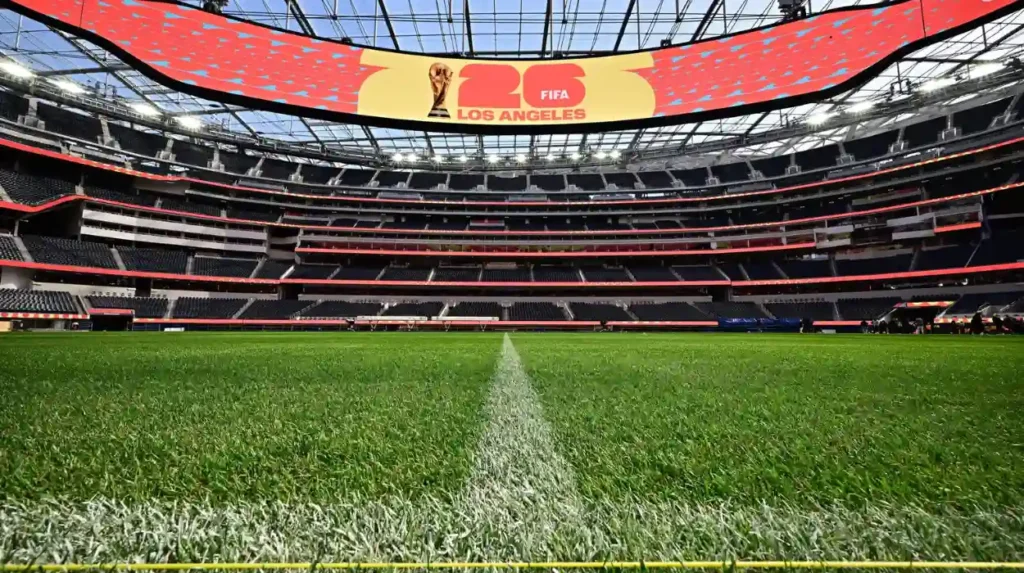
FIFA’s reported difficulties in selling tickets for the United States Men’s National Team’s (USMNT) 2026 World Cup opener against Paraguay at SoFi Stadium highlight challenges in one of the tournament’s marquee fixtures. As a sports journalist with a decade covering international football, including three World Cups and numerous host nation campaigns, this situation underscores tensions between ambitious pricing models and real-world fan engagement in the expanded North American tournament. The June 12 match, set in a 69,650-capacity venue in Los Angeles, has drawn scrutiny just weeks before kickoff, raising questions about demand, strategy, and the broader commercial landscape of global football’s biggest event.
Background Context
The 2026 FIFA World Cup marks a historic expansion to 48 teams across 16 host cities in the United States, Canada, and Mexico, promising unprecedented scale with over 100 matches. SoFi Stadium, home to the NFL’s Los Angeles Rams and Chargers, emerges as a key venue, previously hosting major concerts and Super Bowl LVI, which demonstrated its capacity for large-scale events. The USMNT’s opener against Paraguay in Group D was positioned as a high-profile curtain-raiser for the host nation, with sales launching in October 2025 amid FIFA President Gianni Infantino’s claims of five million tickets already sold out of 6.7 million available. Documents shared with organizers, dated April 10, 2026, revealed only 40,934 tickets sold for this fixture, lagging behind comparable games at the same stadium, such as Iran versus New Zealand three days later, which recorded 50,661 sales.
This context builds on FIFA’s shift to dynamic pricing, a model introduced to maximize revenue by adjusting costs based on demand, similar to practices in the NFL and NBA. For the USMNT match, Category 1 tickets started at $2,730 and Category 2 at $1,940, positioning it as the tournament’s third-most expensive game behind the final and one semifinal. Such pricing reflects confidence in host-nation appeal, yet early sales phases showed these premium categories remaining abundantly available, signaling potential miscalculations in market response.
The Core Claim
The central assertion, originating from a document circulated to Los Angeles organizers, states that ticket sales for the USMNT-Paraguay opener stand at 40,934 as of mid-April, leaving nearly 29,000 seats unsold in a venue listed at 69,650 capacity for World Cup purposes. Reports from outlets like The Athletic, referenced across multiple sources, frame this as underperformance relative to other SoFi fixtures, with FIFA declining to confirm or contextualize the figures when approached. Inside World Football described it as a “potentially humiliating blow” to dynamic pricing, though FIFA maintains overall sales momentum toward record attendance surpassing 1994’s 3.5 million.
FIFA has not disputed the numbers outright but emphasized that the document excludes hospitality packages and non-public allocations, which could narrow the gap. This claim gains traction from consistent resale availability and pricing persistence, yet lacks official breakdown, leaving room for interpretation on whether the figure represents general public sales alone or total inventory movement.
Ticket Demand Factors
Several interconnected elements appear to influence the sales trajectory for this match. High base prices, among the tournament’s steepest, likely deterred casual fans, particularly in a U.S. market where soccer competes with established sports like NFL and NBA playoffs overlapping the World Cup schedule. Industry patterns from past host nations, such as Brazil 2014 or Russia 2018, show openers generating buzz but struggling if premiums exceed perceived value, especially against a non-elite opponent like Paraguay, currently ranked outside the top 30 globally.
Local market dynamics in Los Angeles, with its diverse but fragmented soccer fanbase split among MLS’s LA Galaxy and LAFC, plus immigrant communities favoring Mexico or European clubs, may dilute USMNT-specific pull. Resale platforms list unsold Category 1 seats at full price, indicating stagnant secondary demand, while broader economic pressures—including inflation and post-pandemic spending caution—could amplify reluctance for $2,000-plus outlays less than two months out.
Market and Fan Behavior
Fan behavior in the U.S. soccer landscape reveals a maturing but price-sensitive audience, with USMNT support strongest among younger demographics and suburban families, yet not yet at the fervor of European or South American national team followings. Historical data from 2022 qualifiers and Gold Cups show robust home attendance, but World Cup pricing elevates expectations beyond typical matches, prompting some to opt for group-stage alternatives or later knockout hopes. Reports note other 2026 fixtures, like New Zealand-Egypt or Uzbekistan-DRC, also trailing, suggesting selective interest in star-driven clashes over host or undercard games.
Secondary markets reflect this caution, with platforms showing availability but minimal discounting yet, as FIFA controls inventory tightly to protect pricing floors. This mirrors trends in mega-events like the Olympics, where host-nation hype drives initial surges but sustains only if affordability aligns with excitement, a balance often tipping toward corporate hospitality over individual buyers in high-cost regions like LA.
Commercial Implications
Commercially, sluggish sales pressure FIFA’s revenue model, which relies on ticketing for upwards of 70% of event income, alongside broadcasting and sponsorships. Empty seats in the opener—broadcast globally as Team USA’s debut—risk visual embarrassment, potentially eroding sponsor confidence from brands like Adidas and Coca-Cola banking on packed stadiums for exposure. Organizers may resort to last-minute discounts or giveaways, as seen in Qatar 2022’s later phases, diluting per-ticket yield and setting precedents for the tournament’s 104 matches.
For SoFi Stadium and local partners, the mismatch underscores venue versatility limits; while NFL games fill routinely, soccer’s sightlines and cultural fit demand tailored marketing. FIFA’s dynamic strategy, while innovative, exposes vulnerabilities if demand forecasts overestimate host patriotism, impacting negotiations for future editions and host bids.
Industry Perspective
From a global football industry viewpoint, this episode tests the scalability of the 48-team format amid North America’s fragmented media landscape, where soccer trails basketball and American football in TV draw. Stakeholders like CONCACAF and MLS view strong USMNT performance as a growth catalyst, yet ticket woes signal that infrastructure investments—stadium expansions and transport—must sync with accessible entry points to convert casual viewers. Comparable cases, such as Euro 2024’s group-stage slow-sellers in smaller markets, affirm that premium pricing succeeds mainly for finals or rivalries.
FIFA’s response, launching new sales phases without price cuts, prioritizes long-term brand value over short-term fills, a tactic honed since 2010. Industry analysts note this aligns with luxury positioning but risks alienating emerging U.S. fans, crucial for sustained growth post-2026.
Uncertainties and Gaps
Key uncertainties persist around the sales document’s scope; exclusions of hospitality, team allocations, and media seats could mean actual availability is lower than reported, a detail FIFA has not clarified despite inquiries. Broader tournament sales claims of five million tickets lack per-match granularity, obscuring whether the USMNT opener is an outlier or indicative of patterns in non-marquee games. External variables, like potential USMNT qualification hype or Paraguay’s form, remain fluid into June.
Reporting gaps include absence of fan surveys or resale data analytics, limiting insight into behavioral drivers beyond price. FIFA’s silence on adjustments leaves open whether dynamic pricing will flex downward, a common industry lever not yet evident.
Broader Impact
This scenario ripples across global sports event management, where ticketing increasingly blends technology—AI demand forecasting, blockchain resales—with traditional barriers like geography and economics. For World Cups, it questions host-nation presumptions in multi-country bids, as seen in 2026’s tri-nation setup diluting U.S.-centric focus. Trends toward sustainability and inclusivity push organizers to balance profits with accessibility, influencing bids like 2030’s Morocco-Portugal-Spain and 2034’s Saudi Arabia.
In the U.S., it accelerates MLS-World Cup synergies, urging affordable youth engagement to build lifelong fans, while highlighting ticketing platforms’ role in transparency. Globally, it reinforces that even flagship events navigate post-COVID thriftiness and streaming shifts eroding live attendance norms.
The reported ticket sales challenges for the USMNT’s 2026 World Cup opener reflect a confluence of pricing strategy, market maturity, and timing in an expansive tournament. While FIFA touts overall success, this fixture’s performance prompts measured review of demand calibration without confirming systemic issues. As the event nears, outcomes will inform future mega-event economics, maintaining football’s commercial primacy amid evolving fan expectations.