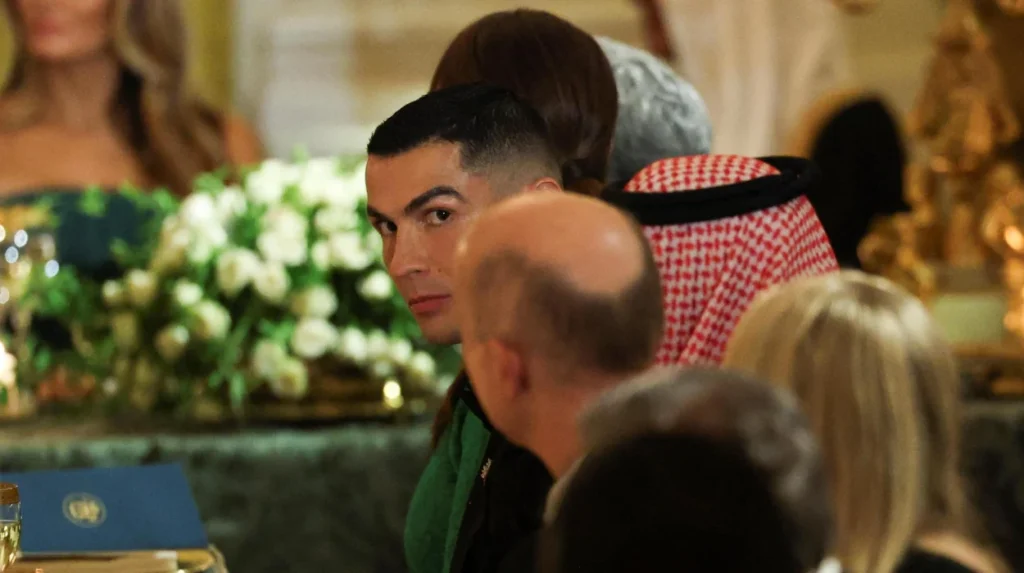
Cristiano Ronaldo’s upcoming White House appearance on Tuesday, coinciding with the U.S. President Donald Trump’s meeting with Saudi Crown Prince Mohammed bin Salman, has reignited scrutiny over Saudi Arabia’s calculated deployment of elite athletes to polish its global standing. Since signing with Al-Nassr in 2023, Ronaldo has emerged as a prominent symbol in the kingdom’s sweeping campaign to infiltrate international sports, tourism promotion, and leisure sectors. This alignment of sports stardom with high-level diplomacy reveals how Riyadh weaves athletic spectacles into its political maneuvering, raising urgent questions about safety for participants and spectators, human rights erosion, and the fitness of such a nation to stage mega-events like the FIFA World Cup.
Sportswashing Under the Spotlight: A Veil Over Rights Abuses
Human rights watchdogs label Ronaldo’s relocation to Saudi Arabia a prime instance of sportswashing—using the glamour of top-tier sports to divert eyes from severe domestic repression. Organizations like Amnesty International contend that enlisting global icons normalizes a regime notorious for stifling free speech, jailing critics, and perpetrating notorious violations, including the 2018 murder of journalist Jamal Khashoggi inside a Saudi consulate in Istanbul. Critics argue that athletes’ involvement lends undue credibility to these practices, potentially endangering their own safety by tying them to a government implicated in targeted killings and arbitrary detentions.
The stakes extend beyond image: safety concerns loom large for anyone engaging with Saudi-hosted events. Reports from groups like Human Rights Watch detail risks to journalists, activists, and even fans who voice dissent—ranging from digital surveillance and travel bans to physical threats. International criticism has intensified as Saudi Arabia eyes hosting the 2034 FIFA World Cup, with experts questioning whether such an environment guarantees secure conditions for diverse crowds, including LGBTQ+ supporters or women’s rights advocates who face legal persecution there. FIFA’s own human rights commitments, outlined in its 2016 strategy, pledge to uphold universal standards, yet past host selections like Qatar 2022 drew backlash over migrant worker deaths and labor exploitation, underscoring why rights scrutiny must precede bids.
Advocacy groups press figures like Ronaldo to address these perils publicly, citing mass executions—over 170 in 2022 alone—and the ongoing detention of women’s rights campaigners. Silence from influential stars, they warn, bolsters Riyadh’s facade, complicating global sports bodies’ duty to protect participants. This dynamic fuels debate: can Saudi Arabia ensure the safety of international visitors amid a climate where dissent invites reprisal?
Vision 2030: Ambition Clashing with Accountability
At the heart of this strategy lies Vision 2030, Crown Prince Mohammed bin Salman’s blueprint for economic overhaul through tourism, entertainment, and sports dominance. Saudi investments span soccer, combat sports, golf, and gaming, including the Public Investment Fund’s (PIF) acquisition of Newcastle United and partnerships with icons like Ronaldo. His 2023 transfer drew massive coverage, elevating Saudi leagues while tying into bids for events like the 2034 World Cup—a near-certain win after Australia withdrew opposition.
Proponents claim these moves foster talent and revenue. Yet detractors, including UN experts, see them as deflection from Yemen’s humanitarian crisis—where Saudi-led airstrikes have killed thousands—and internal crackdowns. Hosting the World Cup would amplify these tensions: FIFA demands hosts provide safe, inclusive venues, but Saudi laws criminalize homosexuality (punishable by death or flogging), restrict women’s guardianship rights, and suppress protests. Global outcry over Qatar’s tournament, marred by over 6,500 migrant deaths, illustrates the peril—FIFA faced lawsuits and boycotts, eroding its moral authority.
Safety data paints a grim picture. Travelers report arbitrary arrests; a 2023 U.S. State Department advisory flags risks of wrongful detention for dual nationals. For a World Cup with billions watching, could Saudi Arabia safeguard 5 million visitors without compromising rights? International bodies like UEFA have paused partnerships over similar issues, signaling sports organizations must weigh reputational harm against revenue.
Newcastle United: A Cautionary Precedent for Global Sports
Saudi Arabia’s playbook predates Ronaldo. The 2021 PIF-led takeover of Newcastle United, after years of delays, spotlighted ethical lapses in sports governance. The Premier League cited “legally binding assurances” of non-state control, despite bin Salman’s PIF chairmanship. Backlash peaked post-Khashoggi, with his fiancée Hatice Cengiz decrying it as image laundering via Premier League prestige.
Amnesty International decried the approval as a human rights failure, arguing ownership rules overlook state influence and abuses. This mirrors broader patterns: no firewalls separate leadership from PIF assets, enabling direct oversight. Analysts like Dr. David Wearing and Amnesty’s Sacha Deshmukh frame it as reputational repair for Khashoggi’s murder and Yemen’s war, where cluster munitions killed civilians.
Such precedents haunt FIFA. The governing body, criticized for Russia’s 2018 hosting amid doping scandals and Crimea annexation, now confronts Saudi bids. Selecting hosts without rigorous rights vetting invites chaos—think boycotts, empty stadiums, or sponsor pullouts, as threatened in Qatar.
Geopolitical Ties and the White House Nexus
Ronaldo’s White House timing intertwines sports with statecraft. Trump and bin Salman dismissed Khashoggi queries, with Trump shrugging, “Things happen.” This echoes Saudi’s pattern of leveraging allies to mute criticism, even as U.S. intelligence pinned the killing on the crown prince.
Sports icons thus risk complicity in diplomacy that sidesteps accountability. For FIFA, awarding Saudi Arabia the 2034 World Cup—uncontested after initial rivals stepped back—invites parallel risks. The bid promises stadiums and infrastructure, but ignores safety voids: no independent judiciary, pervasive surveillance, and reprisals against critics.
Why FIFA Must Reconsider: Rights, Safety, and Legacy
Global sports federations grapple with this dilemma. The Olympics’ IOC rejected bids from rights-laggards; FIFA’s post-Qatar reforms promise human rights due diligence, yet enforcement lags. Hosting in Saudi Arabia could expose athletes, officials, and fans to hazards—from event security lapses tied to repression to cultural clashes alienating global audiences.
Critics urge FIFA to demand reforms: decriminalize dissent, protect minorities, and ensure migrant worker safety. Without them, the tournament risks becoming sportswashing’s pinnacle, tarnishing soccer’s universality. As Ronaldo’s visit spotlights these intersections, the question sharpens: should FIFA greenlight a 2034 World Cup in a nation where safety and rights remain precarious? Evidence—from Khashoggi to Yemen—suggests no, prioritizing human dignity over spectacle.