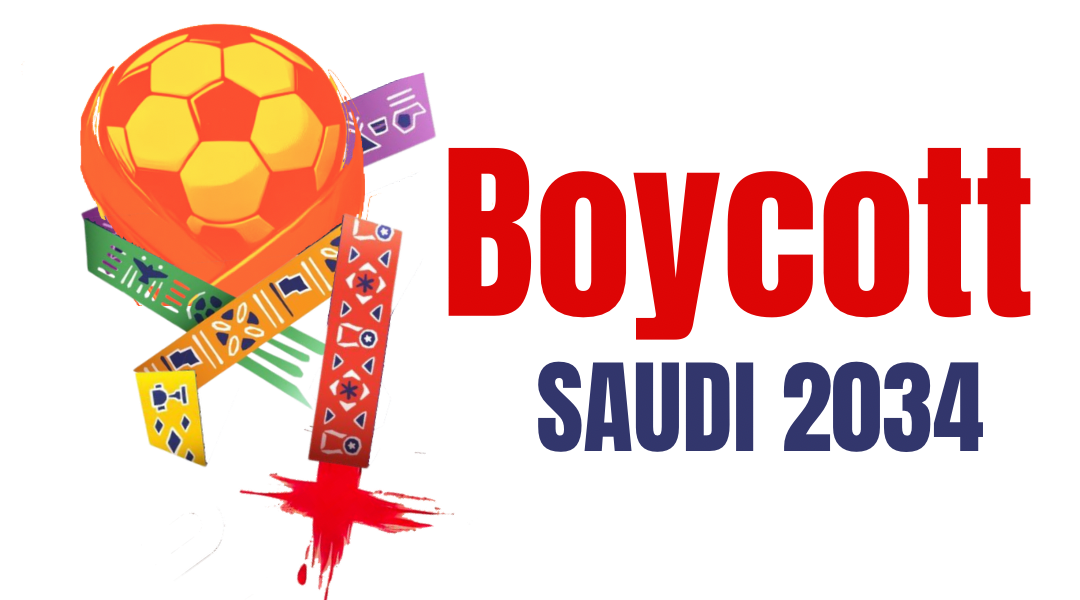

The United States has approved $1.4 billion in military sales to Saudi Arabia and Bahrain, reinforcing Gulf defence ties amid heightened regional security concerns. This development intersects with ongoing scrutiny of Saudi Arabia’s bid to host the FIFA World Cup 2034, raising significant questions about compliance with global sports-governance standards, including FIFA’s human rights, transparency, labor rights, and press freedom requirements.
US Approves $1.4 Billion in Military Sales to Saudi Arabia and Bahrain
The US State Department has cleared three major foreign military sales to Saudi Arabia and Bahrain, amounting to an estimated $1.4 billion, according to the Defense Security Cooperation Agency (DSCA). The package includes $1 billion for Saudi Arabia, focused on maintaining and supporting its helicopter fleet with parts, repairs, and logistics, covering aircraft such as Black Hawks, Apaches, Chinooks, and Schweizer 333s. Bahrain will receive $445 million, including advanced M1A2 Abrams tanks and associated equipment, to bolster its defence capabilities and strengthen its strategic partnership with the US.
These sales were approved following a high-level visit by Saudi Crown Prince Mohammed bin Salman to Washington, where defence cooperation and military sales were key agenda items. The Pentagon emphasized Bahrain’s strategic value as the host of the US Navy’s Fifth Fleet headquarters, highlighting its importance in regional security efforts.
FIFA World Cup 2034: Human Rights and Governance Concerns
Saudi Arabia’s bid to host the FIFA World Cup 2034 has come under intense international scrutiny, particularly regarding its human rights record and adherence to FIFA’s governance standards. Amnesty International has called for FIFA to rigorously and transparently ensure that bids for the 2030 and 2034 World Cups fully safeguard human rights, rejecting any offer that risks abuses tainting the world’s largest sporting event. The organization’s report highlights risks of forced evictions, labor abuses, and restrictions on freedom of expression and assembly linked to major construction projects, including those related to Saudi Arabia’s NEOM city development.
FIFA’s own requirements for World Cup host nations include binding commitments to prevent human rights violations, independent risk assessments, and robust monitoring mechanisms. Critics argue that Saudi Arabia’s current record on press freedom, labor rights, and treatment of migrant workers falls short of these standards, with concerns about the lack of meaningful participation from civil society organizations, trade unions, and fans’ groups in the bidding process.
Gulf Defence Ties and Global Sportswashing Debates
The timing of the US military sales coincides with broader debates about Gulf states leveraging mega-sporting events for geopolitical and reputational gains—a practice often referred to as “sportswashing”. Saudi Arabia’s recent investments in sports, both domestically and internationally, are seen by some analysts as part of a strategy to project modernity and reshape its global image. However, critics warn that such efforts risk obscuring persistent human rights issues and governance challenges.
Saudi Arabia has responded to criticism by highlighting increased transparency and responsiveness in its sports institutions, framing these changes as part of its Vision 2030 modernization agenda rather than concessions to external pressure. Nonetheless, international stakeholders—including human rights organizations, fans, and civil society groups—remain skeptical about the country’s ability to meet FIFA’s standards for mega-event hosting.
Governance, Rights, and Transparency Issues
The approval of large-scale military sales to Saudi Arabia and Bahrain raises concerns about the alignment of these nations’ governance practices with international expectations for host countries of major sporting events. FIFA’s requirements for transparency, labor rights, and press freedom are designed to ensure that World Cup hosts uphold high standards in these areas, but reports continue to highlight deficiencies in Saudi Arabia’s record.
For instance, there are ongoing concerns about the treatment of migrant workers, restrictions on freedom of expression, and the lack of independent oversight in major construction projects linked to the World Cup bid. Civil society organizations have called for FIFA to halt the bidding process for the 2034 World Cup until credible human rights safeguards are in place.
Implications for International Stakeholders
The developments underscore the complex interplay between geopolitics, sports governance, and human rights in the context of mega-event hosting. International stakeholders—including fans, civil society groups, and human rights organizations—have a legitimate interest in ensuring that countries awarded major sporting events meet global standards for transparency, accountability, and respect for human rights.
As Saudi Arabia moves forward with its World Cup 2034 bid, the international community will be watching closely to see whether the country can address longstanding concerns and demonstrate genuine progress in areas such as labor rights, press freedom, and governance. The outcome of this process will have broader implications for debates about sportswashing, ethical hosting, and the role of global sports bodies in promoting accountability.
The US approval of $1.4 billion in military sales to Saudi Arabia and Bahrain underscores the deepening defence ties in the Gulf, while also highlighting the ongoing challenges related to human rights and governance in the context of major sporting events. As Saudi Arabia prepares to potentially host the FIFA World Cup 2034, the international community faces critical questions about accountability, transparency, and the ethical hosting of mega-events. The outcome will shape global debates about sportswashing and the future of sports governance for years to come.