Saudi Arabia’s appointment of Sheikh Saleh bin Fawzan Al-Fawzan as the new Grand Mufti is a tell-tale sign of what the Kingdom’s so-called “modern reforms” are really all about. While Crown Prince Mohammed bin Salman (MBS) has invested billions to market Saudi Arabia as a modern, progressive country through entertainment, tourism, and international sports, including hosting the 2034 FIFA World Cup, the promotion of one of the most conservative clerics to the most senior religious position in the country indicates something very different.
It is a choice that lays bare a basic fact: Saudi Arabia is not reforming; it is merely rebranding. Under the lights of the stadium and sports sponsorships is an entrenched infrastructure of religious authoritarianism, repression, and human rights violations, rendering it completely unsuitable to host an event that purports to uphold equality, unity, and inclusion.
The Appointment That Shows the Truth
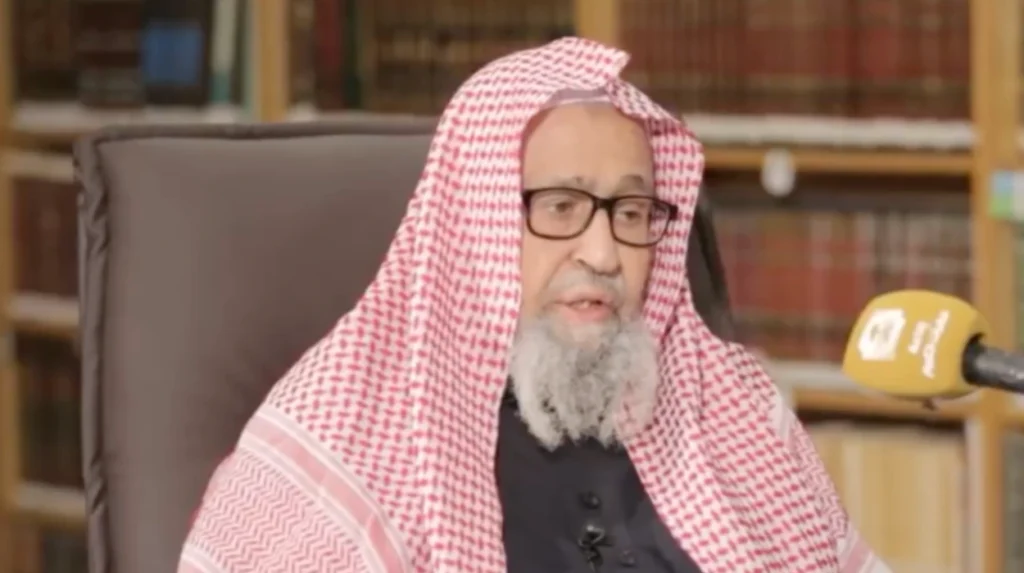
Sheikh Saleh bin Fawzan Al-Fawzan was appointed Grand Mufti by royal order at the direct suggestion of Crown Prince Mohammed bin Salman. This in itself indicates how closely religious authority in Saudi Arabia is controlled by the monarchy. Far from being any indication of modernization, it underlines the regime’s tactic of uniting political and religious power under a single leader.
Al-Fawzan, known for his conservative interpretations of Islam, now holds two key positions: Grand Mufti and Chairman of the Council of Senior Scholars. He will also head the General Presidency for Scholarly Research and Ifta, giving him control over the country’s most powerful religious and legal advisory institutions.
If Saudi Arabia were actually embracing reform, it would appoint scholars infamous for progressive thinking or interfaith dialogue. What happens instead is that the selection of a hardline cleric signals the kingdom’s commitment to maintaining conservative dogma while presenting a modern image to the world.
Saudi Arabia’s Human Rights Record: A Nation in Denial
While MBS sells Saudi Arabia via sports and pop concerts, the human rights situation in the country continues to be dismal. The numbers speak for themselves:
1. Executions:
Saudi Arabia alone executed 345 individuals in 2024, most of whom were for crimes that are not violent, such as drug crimes. International observers reported that some of the executions were of foreign nationals and even child offenders.
2. Migrant Workers:
An estimated 13.4 million migrants — about 41% of the population — are subjected to the infamous kafala system, under which employers can seize passports and restrict the movement of workers. The system has been widely criticized across the world for facilitating modern slavery.
3. Freedom:
Saudi Arabia is still rated “Not Free” by global human rights evaluations, with no national elections, restricted freedom of speech, and harsh punishments for dissent.
4. Gender Rights:
Women are still subject to limitations under the male guardian system that restricts travel, marriage, and access to healthcare. Reforms permitting women to drive or work are few compared to the overall systemic control that persists.
5 . Religious Freedom:
Non-Muslim worship is prohibited, and apostasy may be punishable by death. The selection of a conservative Grand Mufti further solidifies these hardline stances.
For a nation that aspires to stage a universal celebration of unity, equality, and diversity, these numbers create a chilling contradiction.
Sportswashing: The True Aim Behind FIFA 2034
Granting the 2034 FIFA World Cup to Saudi Arabia was not a triumph for sport — it was a triumph of sportswashing. It is a tactic of using major international events to divert attention from entrenched human rights abuses.
Saudi Arabia is already splurging billions on big-ticket sport investments — everything from football clubs such as Newcastle United to Formula 1 and boxing events. These extravaganzas are intended to generate a show of progress and openness. But Sheikh Al-Fawzan’s timing tells the real story: as the world is distracted by football, the regime is quietly reinforcing the very conservative institutions that suppress dissent and freedom domestically.
The World Cup in 2034 is also part of the same image-making campaign. Inviting the world to come and celebrate football in Saudi Arabia, the regime seeks to buff up its image, lure foreign investors, and bury its human rights abuses in the sheen of glittering stadiums and slick commercials.
Why This Appointment Matters for the Boycott Campaign
Sheikh Al-Fawzan’s appointment as Grand Mufti cannot be viewed as an isolated incident. It represents the consistency of repression and the strong affinity between the Saudi regime and religious conservatism.
1. Women’s Rights Remain Controlled
Saudi Arabia claims progress on gender equality, but with the Grand Mufti’s appointment, women’s rights are again placed under the control of religious conservatism. There is no sign of dismantling the male guardianship system, and the same clerical institutions that justify inequality are now more empowered than ever.
2. Freedom of Expression Is Nonexistent
Saudi Arabia continues to imprison journalists, activists, and social media users who criticize the government. The new Grand Mufti’s influence ensures that religious justification remains a tool for silencing dissent.
3. Migrant Workers Still Exploited
While construction has already commenced for 2034 projects, millions of migrant workers will endure the same exploitative conditions that afflicted Qatar’s 2022 World Cup. Saudi Arabia’s system leaves workers with hardly any legal protection, and no challenge has been posed to these injustices by the clerical establishment.
4. FIFA’s Hypocrisy
FIFA advocates values such as respect, equality, and inclusion. Yet it has awarded its showpiece tournament to a nation in which discrimination is formalized, opposition is suppressed, and fundamental human rights are withheld. This hypocrisy contradicts all that football should stand for.
The Illusion of Reform
MBS’s “Vision 2030” has been touted as a blueprint for modernization, but it is less about reform and more about reputation management. Mega projects, cultural events, and sporting tournaments provide the facade of change, yet political detainees rot behind bars and executions happen on an unprecedented scale.
Real reform is political liberty, independent courts, women’s equal rights, and the protection of minorities. Saudi Arabia has none of these. The selection of a conservative Grand Mufti, nominated by the Crown Prince, makes it absolutely clear that the regime is doubling down on control, not on liberalization.
Why the World Must Boycott FIFA 2034
Saudi Arabia’s hosting of the 2034 World Cup gives legitimacy to an authoritarian regime denying fundamental human rights. The international football world — fans, players, sponsors, and governing bodies- has no choice but to act.
Boycotting FIFA 2034 is not politics; it is principles.
It is about standing with the silenced activists, the exploited workers, the oppressed women, and the victims of the death penalty. It is about not allowing football — a game for uniting the world — to be used to whitewash oppression.