Saudi Arabia’s ambitions to become a global sports hub are increasingly colliding with concerns over its human rights record. The recent detention of 12 football fans for chanting a folkloric song at a match has reignited questions about whether the Kingdom offers the freedoms and safety required for hosting major international sports events like the FIFA World Cup.
The incident occurred in January 2024, when supporters of the Al Safa Football Club recited a traditional chant in honor of Imam Ali, a figure deeply respected among Shia Muslims. What began as a moment of cultural pride swiftly turned punitive—Saudi authorities accused the fans of promoting “sectarian phrases,” detained them, and charged them under the Anti-Cybercrime Law. The law forbids acts deemed to impinge on “public order” or “religious values,” but human rights observers argue that it is routinely used to silence dissent and expression.
Crackdown under the Guise of Order
Following the incident, more than 150 people were summoned for questioning. Reports indicate that security officials pressured detainees to sign forced confessions admitting to reciting “sectarian” chants, under threat of imprisonment. If convicted, the 12 Al Safa supporters face up to five years in prison—simply for a public expression of religious folklore.
The Saudi Arabian Football Federation has added another layer of punishment, fining Al Safa Club 200,000 riyals (about US$53,000) and banning fans from attending five subsequent home matches. The disciplinary committee accused the supporters of violating regulations on “ethics and disciplinary standards.”
These developments underscore a broader systemic issue. Saudi Arabia’s Shia community, roughly 15% of the population, has long been marginalized and subjected to discrimination in education, employment, and religious practice. The arrest of the fans is part of a pattern—one where the government responds to expressions of identity from minority groups with accusation, surveillance, and punishment.
Religious Identity as a Risk
The Kingdom’s suppression of Shia expression extends beyond sports. Over the past decade, courts have issued harsh prison sentences and even death penalties against members of this religious minority following protests for equal rights. Activists, human rights advocates, and ordinary citizens have been detained for tweets, peaceful demonstrations, or social media posts that the government deems “divisive.”
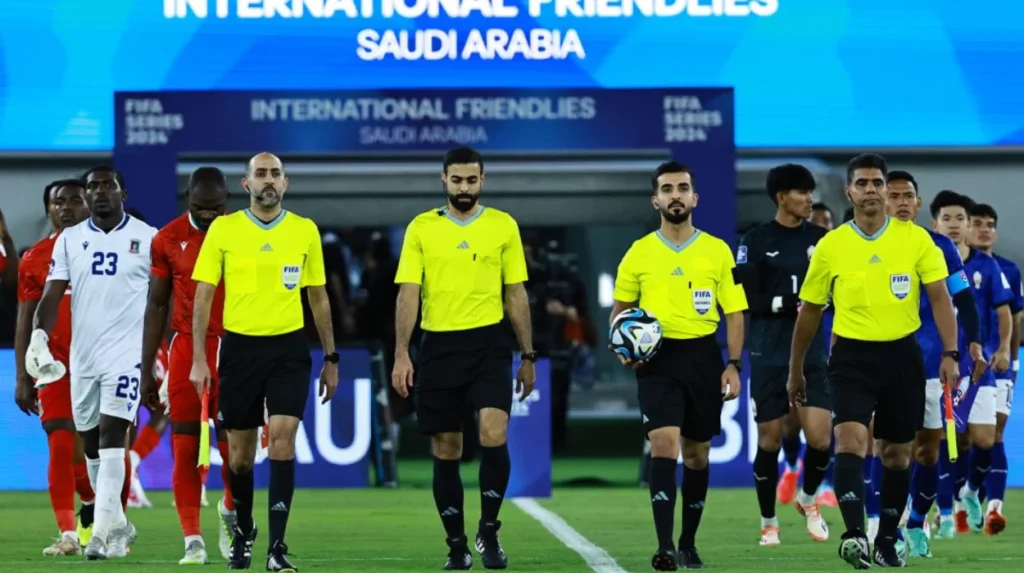
Analysts observing the latest case point out the contradiction between the Kingdom’s enormous spending on global sports initiatives and its ongoing suppression of basic civil liberties. Saudi Arabia is investing billions to rebrand itself as a modern, international hub for tourism and athletics. High-profile acquisitions, such as its investment in football clubs abroad and major sporting events at home, are part of a calculated image transformation.
But this attempt at global integration collides with a contradictory domestic reality—one in which citizens and residents risk severe punishment for peaceful expression.
Sportswashing and Global Image
The concept of “sportswashing” describes when governments use major sporting events to improve international reputations despite poor human rights records. Critics argue that Saudi Arabia’s growing sports empire—from professional football to boxing and Formula One—is part of such a strategy. Through global entertainment and sponsorships, the government projects progressiveness, while its legal and social systems remain restrictive.
The global sports industry, especially organizations like FIFA, now faces an uncomfortable dilemma: Can a nation with ongoing political repression and religious discrimination credibly guarantee freedom and safety for players, fans, and journalists during a World Cup?
FIFA’s long-standing claim that football is politically neutral comes under renewed scrutiny. In practice, hosting a tournament is never apolitical—it represents an endorsement of a country’s governance, security measures, and respect for global values. When hosting rights go to nations accused of violating civil liberties, it suggests that profit and spectacle outweigh ethical responsibility.
The 2034 World Cup Dilemma
With Saudi Arabia currently the sole bidder for the 2034 World Cup, international observers are calling on FIFA to confront the moral and safety implications of such a decision. This is not simply a matter of politics—it concerns the potential safety of fans and whistleblowers, journalists, and even players who may inadvertently offend restrictive laws.
The recent detention of football supporters highlights those risks vividly. If peaceful chanting in a domestic stadium can trigger arrests, what protections will be afforded to the millions expected to descend on the Kingdom for a tournament? Will international visitors be subject to the same expansive laws on religious expression and speech?
These questions carry real weight given the precedent. In previous years, Saudi citizens and foreign residents alike have faced prosecution over social media content categorized as disruptive to “public morals.” Activism, debate over women’s rights, and commentary on religion or politics remain potential offences under loosely defined legislation.
Hypothetically, fans in a global event setting could find themselves under similar scrutiny, especially if chants, attire, or social-posts conflict with local norms.
The Growing Global Outcry
Human rights organizations and civil society groups have condemned the prosecution of the detained football supporters as a blatant violation of freedom of belief and expression. They argue that this case exemplifies the fragility of personal liberty in Saudi Arabia and contradicts its efforts to portray itself as open and modernizing.
In legal terms, the recent use of the Anti-Cybercrime Law has broadened state control over personal and digital behavior. By invoking vague concepts like “religious values” or “public order,” the law gives authorities broad discretion to decide what constitutes an offence. This flexibility has been criticized for normalizing arbitrary arrests and for suppressing minority voices under lawful pretexts.
The implications reach beyond internal governance. As sports organizations increasingly adopt “human rights due diligence” frameworks, events like this raise the pressure on governing bodies to ensure those principles are genuinely applied. FIFA, for instance, has made formal commitments to human rights respect as part of its bidding process after past controversies, yet critics question whether those standards are enforced or merely symbolic.
Can Global Sport Ignore Human Rights?
At its core, this case is about more than twelve detained fans—it challenges the idea that international sport can remain detached from human rights realities. When nations use global tournaments to showcase national pride, those same events risk becoming stages for reputation management rather than genuine celebration.
Saudi Arabia’s push to host the World Cup presents a defining test: whether global football organizations are willing to uphold ethical standards or continue prioritizing commercial and diplomatic influence. The treatment of fans, minorities, and activists within the host country cannot be separated from the spirit of the game itself.
If sport is meant to unite people beyond race, religion, and politics, then the safety and dignity of every participant—whether spectator or citizen—must come first. As the world watches the fate of the Al Safa supporters, it is clear that any decision about Saudi Arabia’s eligibility to host the tournament must grapple not only with stadiums and logistics but with the rights and freedoms of the people inside them.