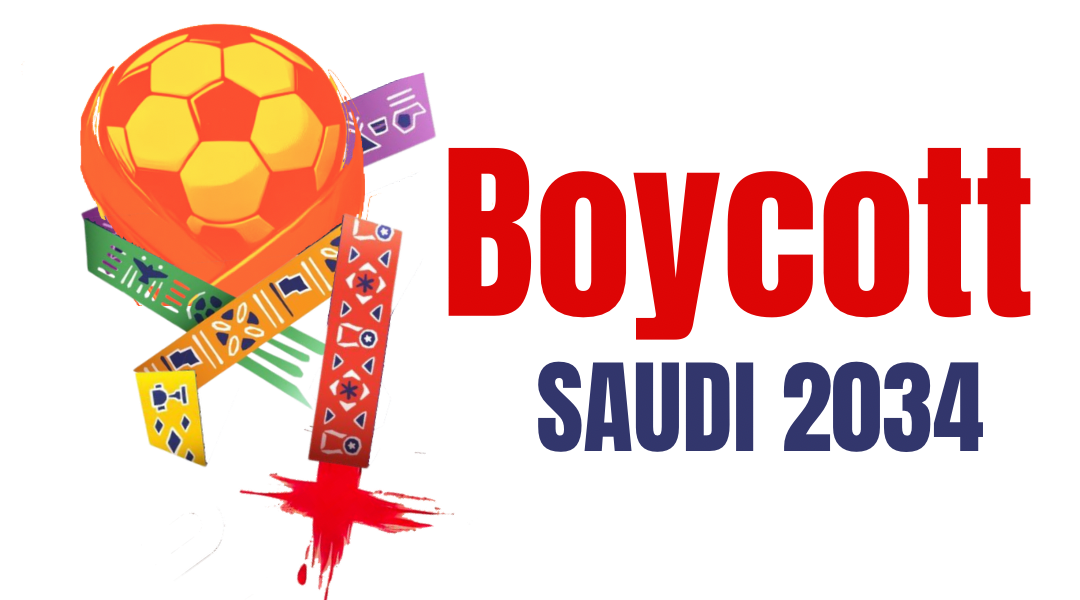

The awarding of the 2034 FIFA World Cup to Saudi Arabia represents one of the most controversial decisions in the history of the tournament’s hosting rights. The process surrounding this decision has been widely criticized for lacking transparency, fairness, and respect for human rights.
Manipulated bidding rules and accelerated timeline
FIFA significantly altered the bidding rules for the 2034 World Cup by confining eligible hosts to Asia or Oceania, a decision extensively seen as paving a preferential path for Saudi Arabia by effectively barring numerous implicit challengers. Also, FIFA combined the vote for the 2030 and 2034 World Mugs into a single package, forcing member nations to plump both contemporaneously. This unusual move made opposing Saudi Arabia’s shot for 2034 politically delicate, given the broad support for the 2030 common shot involving Spain, Portugal, and Morocco. The bidding timeline was aggressively docked at least three times, giving other implicit campaigners minimum time to prepare or enter the race. This orchestrated approach assured Saudi Arabia came the sole feasible bidding nation nearly incontinently.
FIFA leadership and political influence
According to investigative reporting, FIFA President Gianni Infantino played a vital part in shaping the bidding process to profit Saudi Arabia. His private tactfulness included exploring alliances with other countries to support Saudi Arabia’s bid. Critics charge Infantino and FIFA of bending their own governance rules and shirking principles of translucency and fairness. This compromised the credibility of FIFA as the governing body responsible for upholding the sport’s values and administering unprejudiced hosting rights.
Human rights violations ignored
Saudi Arabia’s shot entered surprisingly high marks in FIFA’s evaluation report despite inviting substantiation of mortal rights abuses. These include wide migratory labor exploitation, forced evictions, restrictions on freedom of speech, and a swell in political suppression and prosecutions in recent times. Human rights associations have stated FIFA failed to engage adequately with external stakeholders or address these violations substantively during the shot process. By awarding hosting rights without taking concrete reforms or enforceable safeguards, FIFA has been indicted of tacitly championing ongoing oppression under the guise of developing football.
Labour exploitation on mega projects
Saudi Arabia’s medications for the 2034 FIFA World Cup have brought to the van significant and grave enterprises regarding the treatment of migratory workers involved in the massive construction systems needed for the event. Reports and examinations by mortal rights associations draw stark parallels between Saudi Arabia’s labor conditions and the difficulties faced during Qatar’s 2022 World Cup medications, pressing patient exploitation, dangerous surroundings, and systemic abuses.
Migratory workers, primarily from African and South Asian countries, constitute the maturity of the pool erecting the World Cup structure, including the construction of at least 11 new colosseums, transportation networks, and hospitality installations. These workers routinely endure long working hours, exposure to extreme heat, shy casing, pay envelope theft, and restrictions on freedom of movement and expression. The heritage of the kafala backing system ties workers’ legal status to their employers, significantly limiting their independence and adding vulnerability to exploitation. Similar conditions have led to multitudinous losses, injuries, and cases of forced labor, emphasizing a mortal rights extremity amid the World Cup make- up.
The International Trade Union Confederation Africa( ITUC- Africa), representing millions of workers, has intimately condemned the Saudi labor system as one of “ the most crude and brutal mortal treatment ” with wide violations of workers’ rights. It has solicited FIFA and international football bodies to apply stronger labor protections and mortal rights commitments, advising that without critical action, conditions for workers will deteriorate further. The union’s complaints to the United Nations emphasize the systemic nature of abuses faced by migratory workers and prompt the global community to fete these violations as breaches of transnational labor and mortal rights norms.
Environmental and ethical failings
Saudi Arabia’s selection as the host for the 2034 FIFA World Cup raises significant environmental and ethical enterprises that call into question the felicity of the area as a venue for one of the world’s largest sporting events. At the core of these enterprises is Saudi Arabia’s reactionary energy-dependent frugality and the massive carbon footmark associated with the construction, structure development, and functional demands of the event.
Saudi Arabia plans to construct or patch roughly 15 stadiums across multiple metropolises, including Riyadh, Jeddah, Al Khobar, Abha, and the futuristic municipality of Neom. This large- scale structure buildout involves expansive use of concrete, sword, and energy- ferocious accoutrements, each contributing significantly to greenhouse gas emigrations. Concrete product alone accounts for about 8 of global carbon emigrations, while iron and sword add another
This makes stadium construction one of the largest contributors to climate change on a global scale. Added to this are the emigrations from transportation, including the trip of millions of suckers, brigades, and officers across geographically dispersed host metropolises, compounding the total carbon footmark.
Saudi Arabia’s energy structure is heavily fossil energy- grounded, with renewables still counting for a minimum portion of energy product. Despite pledges from the area to achieve net- zero carbon emigrations by 2060 and to reference half of its power from renewable energy by 2030, these commitments are overshadowed by its adding oil painting and gas products and exports. The environmental impact includes elevated carbon emigrations, enhancing desertification, and severe water failure caused by the need to desalinate water for stadiums cooling and the affluence of callers, all demanding vast quantities of energy.
Global backlash and calls for boycott
In response to the questionable process and Saudi Arabia’s record, a broad coalition of mortal rights groups, sports coalitions, and suckers have called for boycotts and a reassessment of the World Cup’s host decision. They argue that satisfying Saudi Arabia with such a prestigious event legitimizes suppression and exploitation, damaging the sport’s integrity. Numerous argue that genuine reforms and meaningful competition in the bidding process are prerequisites for maintaining football’s universal appeal and ethical foundation.
Political and financial motivations
Saudi Arabia’s bid is also viewed through the lens of sportswashing, a strategy to ameliorate its global image through heavy investments in sports, including football clubs and events. Massive fiscal coffers and political influence have told not just FIFA’s decision- making, but also the global football ecosystem. The prioritization of geopolitical and marketable interests over ethics has raised admonitions about the future of sports governance.
A cautionary tale
The 2034 World Cup bidding process serves as a cautionary tale of how immense financial power and political influence can undermine transparency, human rights, and sportsmanship. Saudi Arabia’s selection as host is emblematic of a corrupt system that sidelines genuine competition, disregards labor and human rights, and leverages sports for geopolitical gain. The football community faces a critical moment to hold FIFA accountable, push for reforms, and support boycotts as a stance against such systemic failures.