Football Supporters Europe (FSE) and Euroconsumers have launched a bombshell formal complaint with the European Commission, slamming FIFA for abusing its ironclad monopoly on 2026 World Cup ticket sales. They accuse the governing body of imposing sky-high, opaque prices that gouge fans and crush accessibility. This lawsuit exposes FIFA’s predatory practices ahead of the expanded North American tournament.
This article dissects FIFA’s ticketing debacle, laying bare how the organization has shafted ordinary supporters in favor of fat profits. We’ll scrutinize the leadership failures under President Gianni Infantino, unpack the exploitative policies, and reveal what this says about a body that’s lost touch with football’s soul.
Overview of the Ticket Pricing Controversy
Ticket prices for the 2026 World Cup have exploded into the stratosphere, with finals tickets starting at over $4,000—a jaw-dropping leap from 2022 Qatar’s $455 base for similar seats. Category 1 opening match tickets hit $1,000+, while group stage prices average $300-$800, pricing out millions of working-class fans who fuel the sport’s passion.
Fan groups and consumer advocates brand this as outright exploitation: a monopolistic racket shrouded in secrecy. FIFA’s own 2018 bid documents promised average prices around $200-$500, a far cry from today’s reality. This bait-and-switch betrayal underscores FIFA’s shift from fan-first promises to revenue-maximizing greed, leaving supporters furious and regulators circling.
FIFA’s Ticketing Practices Under Scrutiny
Dynamic pricing lies at the heart of this scandal—a sleazy model where algorithms jack up costs in real-time based on demand, turning a global celebration into an auction for the elite. Prices surged 200-300% during high-demand windows, evicting average fans from stadiums in host cities like Mexico City, Toronto, and Atlanta. Is this fair for football’s “people’s game”? Hardly—it’s a cash grab disguised as market savvy.
FIFA’s total monopoly on primary sales kills competition; no rival platforms means fans are captive to this rigged system. Opaque allocation reeks of favoritism: vague tiers (e.g., “hospitality” packages ballooning to $75,000), black-box lotteries, and zero insight into availability. Even the token $60 “supporter entry tier”—capped at a pitiful 0.5% of inventory—mocks accessibility, vanishing in seconds while scalpers feast on resale sites at 5-10x markups.
Leadership Failure: Gianni Infantino and FIFA Hierarchy
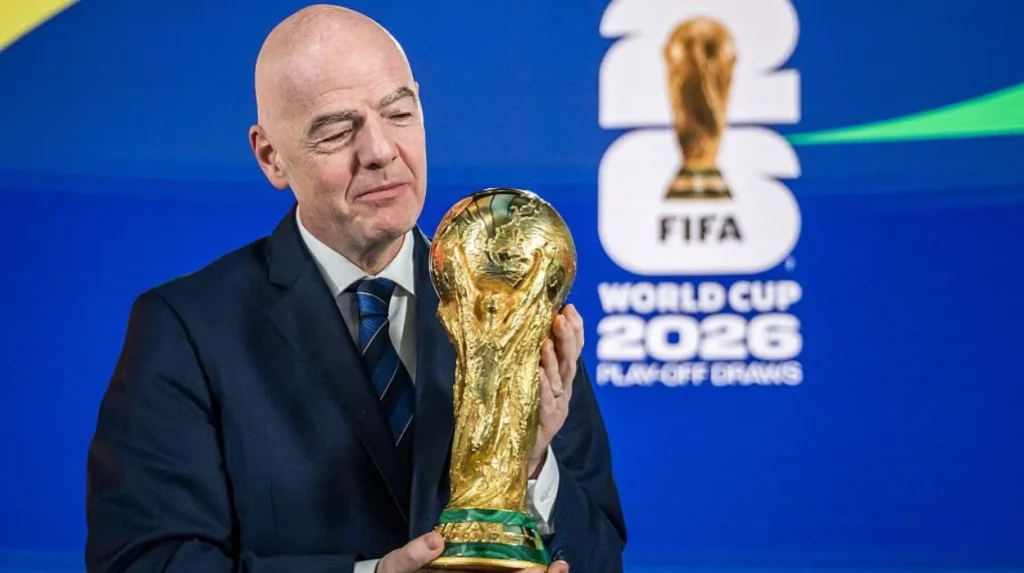
Gianni Infantino, FIFA’s slick-suited president since 2016, bears the brunt of this fiasco. He’s presided over a regime that ditches fan welfare for corporate schmoozing, inking deals with banks and sponsors that prioritize luxury boxes over bleacher seats. Infantino’s bombastic claims of an “inclusive” World Cup ring hollow amid $4,000 finals tickets—where’s the access for the Global South fans he claims to champion?
FIFA’s limp defenses, like vague promises of “fair pricing” in March 2026 statements, dodge accountability. Infantino’s track record—corruption scandals, Qatar favoritism—paints him as a revenue zealot, not a steward. Leadership has greenlit dynamic pricing despite global backlash, betraying football’s ethos for balance sheets. This isn’t governance; it’s profiteering.
The Fan Experience: Ordinary Supporters vs. FIFA’s Priorities
Ordinary fans are reeling. Multiple sales phases—random lotteries, “Right to Buy” for past buyers—left millions empty-handed, with waitlists ballooning past 10 million. Resale platforms like FIFA’s own portal inflate secondary prices to absurd levels: $10,000+ for semis, dwarfing historic norms like 2018 Russia’s $100 averages.
Fan forums erupt with horror stories: Pakistani expats in Toronto priced out of group games, European ultras baffled by U.S.-centric logistics, Latin American supporters crushed by exchange rates. FIFA’s convoluted structures breed chaos—failed payments, ghosted queues—while resale bots snap up stock. This clashes with football’s DNA: raucous terraces, not velvet ropes. FIFA worships cash over chants, alienating the heartbeat of the beautiful game.
Legal and Ethical Implications
The FSE/Euroconsumers complaint hinges on EU antitrust law, alleging FIFA’s monopoly abuses Article 102 TFEU by distorting competition and hiking prices without justification. They cite opaque dynamic algorithms and exclusive resale control as unfair practices under consumer directives. If regulators bite—as with past UEFA fines—this could force price caps, transparency mandates, or even ticket sale breakups.
Ethically, FIFA flouts consumer basics: no clear pricing info, no refunds for glitches, maximum extraction from a captive audience. Antitrust precedents like the NFL’s TV deals or UEFA’s Super League smackdown signal danger. A win for fans could ripple, mandating fan vetoes in bids and oversight boards, reining in sports monopolies worldwide.
Broader Consequences: Reputation and the Future of the World Cup
FIFA’s ticketing trainwreck torches its credibility. Polls show 60% of fans distrusting the body (YouGov, March 2026), with boycotts whispered for 2026’s 48-team behemoth across 16 cities. Empty seats in Atlanta or Vancouver? A PR nightmare that amplifies rivals like European leagues.
This erodes trust in Infantino’s empire, fueling disillusionment as commercialism devours grassroots joy. The disconnect screams: FIFA chases $10B+ revenues while fans scrape for crumbs. Heading into an expanded tournament meant to unite, this scandal risks fracturing football’s global tribe.
FIFA’s 2026 ticketing scandal unmasks an exploitative empire: dynamic pricing gouges, opacity confuses, Infantino’s crew prioritizes profits over people. Bid promises shattered, fans excluded—it’s a betrayal of football’s inclusive spirit.