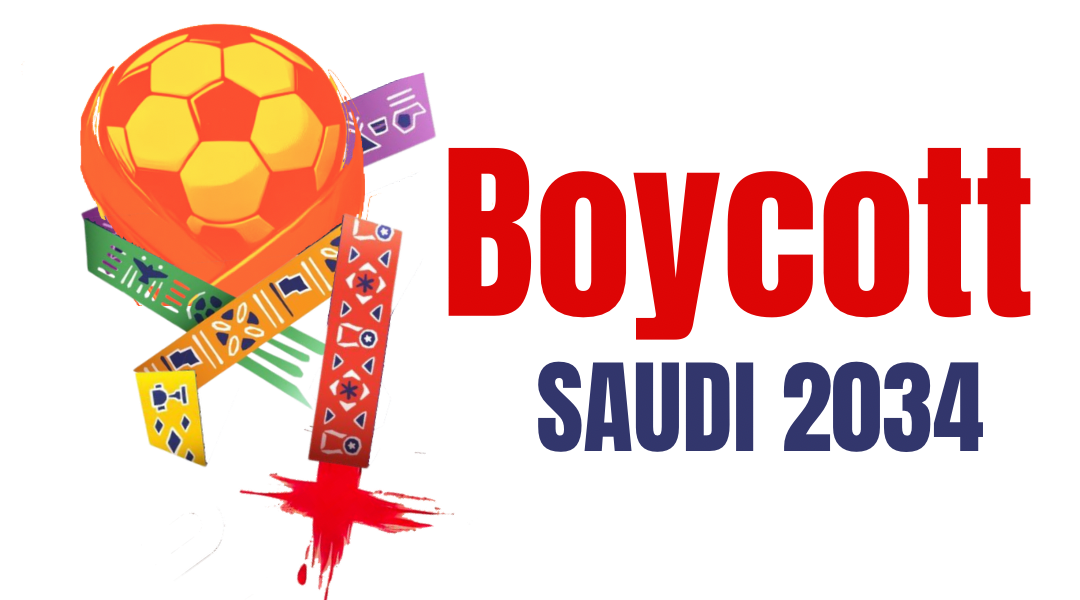

The UAE’s support for Saudi Arabia’s bid to host the 2034 FIFA World Cup has intensified global scrutiny over compliance with FIFA’s human rights, transparency, labour rights, and press freedom standards. Concerns persist about the UAE and Saudi Arabia’s adherence to these requirements, particularly regarding labour protections, media freedom, and governance transparency, raising questions about ethical hosting and sportswashing in the context of mega-sporting events.
FIFA World Cup 2034: Saudi Arabia’s Host Selection
Saudi Arabia was officially confirmed as the host nation for the 2034 FIFA World Cup following a virtual extraordinary Congress by FIFA, with the decision confirmed by FIFA President Gianni Infantino. The UAE Ministry of Foreign Affairs publicly welcomed the announcement, highlighting Saudi Arabia’s infrastructure capabilities and experience in hosting high-profile events. This selection marks the second time a Middle Eastern country will host the tournament, following Qatar’s 2022 edition.
UAE’s Sports Governance and Regulatory Reforms
The UAE has positioned itself as a leading sports destination, adopting regulatory reforms aligned with international standards. According to a 2020 analysis, the UAE has developed dispute resolution bodies inspired by FIFA’s models and enacted sports laws aimed at fostering growth under government supervision. Federal Law No. 4/2023 represents a crucial evolution in the UAE’s commitment to institutionalizing and professionalizing its sports sector. These reforms are intended to enhance transparency and regulatory compliance in the sports industry.
Human Rights and Labour Rights Concerns
Despite these reforms, concerns remain over human rights and labour rights in both the UAE and Saudi Arabia. Amnesty International and other human rights organisations have voiced strong opposition to Saudi Arabia hosting the World Cup without clear and enforceable human rights guarantees. There is particular worry over the treatment of migrant workers involved in event preparations and the broader environment of civil liberties, including women’s rights and LGBTQ+ protections.
Reports indicate that labour abuse is often “normal” practice in the implementation of mega-sporting events, with tight deadlines and a multitude of infrastructure projects risking worker welfare. FIFA’s regulations require the implementation of human rights and labour standards, including freedom of association, the ban on forced labour, long working hours, the right to a safe workplace, minimum wages, and proper management of the migrant workforce. However, critics argue that these provisions are often inadequately enforced in practice.
Press Freedom and Transparency Issues
The UAE’s media environment remains tightly controlled, with reports of censorship and restrictions on press freedom for journalists operating within the country. The lack of open debate and restricted press freedom in both Saudi Arabia and the UAE limits independent scrutiny, raising questions about the transparency of governance and labour practices connected to mega-event preparations. African journalists have previously criticised what they described as “unprecedented interference” by UAE officials in press coverage related to the Qatar World Cup, highlighting risks to media integrity and independence.
Alignment with FIFA and Global Standards
FIFA has established human rights and transparency criteria for World Cup hosts, expecting adherence to international labour laws and protections for press freedom. The Saudi 2034 bid and UAE’s role highlight tensions between these standards and real-world governance practices. Observers note that FIFA’s decision-making process, accelerated timelines, and geographic restrictions effectively reduced competition, raising doubts about the integrity of the hosting selection process.
Wider Debates on Accountability and Sportswashing
International stakeholders, fans, civil society groups, and human rights organisations view developments in Saudi Arabia and the UAE through the lens of accountability and sportswashing. Hosting large global sports events has been instrumentalised by states to enhance international image despite problematic domestic policies. The Saudi 2034 World Cup exemplifies these broader debates on ethical hosting and the responsibilities of global sports bodies to ensure events do not enable rights abuses or opacity.
UAE’s Religious Police Reforms and International Perception
Recent reforms in the UAE, such as overhauls of Islamic personal laws and reductions in the strength of religious police, reflect efforts to modernise and secularise aspects of governance. These changes are intended to enhance the UAE’s legislative environment, entrench principles of tolerance, and strengthen its position as a preferred hub for international business and tourism. However, critics argue that such reforms may be more symbolic than substantive, with ongoing concerns about the practical impact on civil liberties and media freedom.
Ethical Hosting and the Future of Mega-Events
As the 2034 FIFA World Cup approaches, heightened scrutiny is expected from international civil society, urging transparent governance, full respect for human, labour, and press rights, and accountability mechanisms embedded within event preparations. The UAE’s support for Saudi Arabia’s bid, alongside its own sports governance reforms, underscores the complex interplay between global sports standards, national interests, and ethical accountability in the hosting of mega-events.