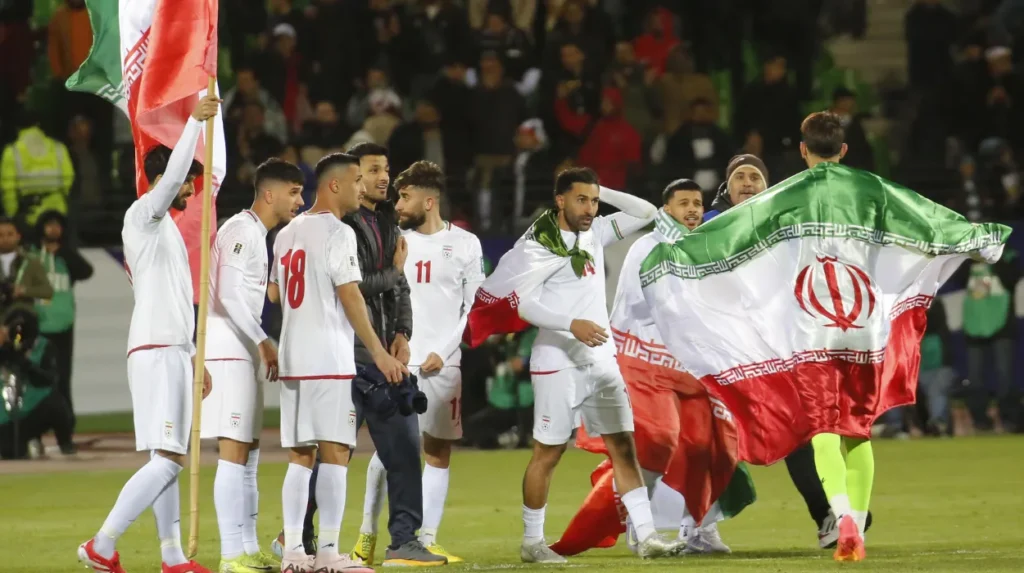
Iran’s bold request to relocate its 2026 FIFA World Cup matches from the United States to Mexico has thrust the tournament into the heart of geopolitical strife. Citing security threats amid escalating U.S.-Iran tensions—including U.S. sanctions, proxy conflicts in the Middle East, and recent naval incidents in the Strait of Hormuz—Iranian officials argue that their players, staff, and fans face unacceptable risks on American soil. This is no mere logistical hiccup; it symbolizes the encroaching shadow of politics over sport, challenging FIFA’s cherished mantra of neutrality. As the 2026 World Cup—co-hosted by the United States, Mexico, and Canada—looms as the first 48-team extravaganza, spanning 104 matches across 16 cities, the organization grapples with its role. Can FIFA preserve the event’s unity when superpowers clash?
Iran’s Security Fears: Legitimate Precaution or Political Gambit?
From Iran’s vantage, the request is a prudent safeguard. The Islamic Republic points to a history of U.S. hostility: the 1979 hostage crisis, the 2020 assassination of General Qasem Soleimani, and ongoing sanctions crippling its economy. Recent escalations, such as U.S. airstrikes on Iran-backed militias in Iraq and Syria, amplify fears of targeted disruptions—be it airport detentions, protests, or worse. Iranian athletes, already navigating domestic restrictions like mandatory hijab policies that sparked 2022 protests, would enter a hostile environment where anti-Iranian sentiment runs high.
Yet, is this a genuine precaution or a savvy power play? Critics argue Tehran seeks to embarrass the U.S., portraying it as an unsafe host and rallying Global South solidarity. Relocating to Mexico, a non-aligned nation with strong ties to Iran via trade, neutralizes American leverage while amplifying Iran’s narrative of victimhood. The impact on stakeholders is stark: players risk psychological strain or physical harm, fans face travel bans or visa denials, and officials dread diplomatic incidents. While security justifies tweaks—like enhanced protection—altering venues sets a precedent for every nation with grudges, potentially unraveling the tournament’s fabric. Iran’s case holds partial legitimacy but veers into opportunism, exploiting sport for geopolitical theater.
FIFA’s Neutrality Facade: Commerce Over Caution?
FIFA’s response—insisting matches stay put—exposes the limits of its apolitical posturing. President Gianni Infantino has reiterated that “football is neutral,” prioritizing the bid’s integrity and $11 billion in projected revenue from U.S. venues like SoFi Stadium. This stance echoes FIFA’s past: it barred Russia from qualifiers post-Ukraine invasion but allowed partial Israeli participation despite Gaza conflicts. Historically, FIFA navigated boycotts—like the 1978 Argentina World Cup under dictatorship—by feigning ignorance, chasing profits amid politics.
Is this ethical? Prioritizing schedules over safety reeks of hypocrisy, especially when commercial giants like Fox Sports and sponsors demand seamless spectacle. Compare to the 1976 Montreal Olympics, where African nations boycotted over New Zealand’s apartheid ties, forcing IOC concessions. FIFA’s rigidity ignores real threats; U.S. intelligence warnings about Iranian retaliation could materialize as cyberattacks or fan violence. Ethically, player welfare—enshrined in FIFA statutes—should trump logistics. Yet, bending to Iran risks accusations of capitulation, eroding credibility. FIFA’s neutrality is a myth, sustained by revenue but brittle against security realities.
Boycott Risks: Tournament Turmoil and Lasting Precedents
Should Iran boycott or withdraw, chaos ensues. With 48 teams, Iran’s exit from group stages (likely including U.S. matches) disrupts brackets, demands qualifiers for replacements, and slashes attendance in key venues. A partial boycott—skipping U.S. games but playing in Mexico or Canada—clashes with FIFA rules mandating full participation; penalties could include fines or expulsion, as seen with Yugoslavia in 1992 over Balkan wars.
Broader fallout? Credibility craters: empty stadiums signal division, alienating fans and broadcasters. Other nations—Iraq, Syria, or even China amid Taiwan frictions—might follow, fragmenting the event. Precedents abound: the U.S.-led 1980 Moscow Olympics boycott rippled through decades, while Qatar 2022’s labor scandals deterred Europe. Iran’s gambit tests resilience; withdrawal amplifies its soft power but impoverishes global football, proving politics can paralyze unity.
Co-Host Dynamics: Mexico as Political Buffer?
The tri-nation model complicates resolution. Mexico, hosting 13 matches in stadiums like Estadio Azteca, has signaled openness to extras, leveraging its neutrality and FIFA ties. This flexibility—baked into bids for redundancy—could absorb shifts without total upheaval.
Yet, does it solve anything? Relocating burdens Mexico with security costs and diplomatic heat, potentially straining U.S.-Mexico relations under trade pacts like USMCA. It merely displaces tension: Iran’s U.S. venues become Mexican flashpoints for protests. The model alleviates via options but exposes hosting’s pitfalls—coordination lags could spawn inequities, favoring flexible neighbors over rigid ones. Mexico emerges as pragmatic mediator, but the setup underscores how multi-hosting invites geopolitical arbitrage.
Sports and Politics: An Inseparable Tango?
This saga illuminates sport’s entanglement with power. In a polarized world of U.S.-China rivalry and Middle East volatility, separation is illusory. Historical parallels abound: the 1936 Berlin Olympics Nazi showcase, 1984 Los Angeles counter-boycott to Moscow, and India’s 2023 Asian Games cricket snub over Kashmir. Even soccer bows—1934 Italy’s Mussolini-fueled win, or 2022’s rainbow armbands quashed by Qatar.
Global events must adapt: rigid neutrality invites exploitation, yet flexibility risks politicization. Sports wield soft power—Biden-era U.S. hosting burnishes democracy, Iran’s defiance broadcasts resilience. Rather than aspire to purity, organizers should integrate protocols: neutral venues clauses, arbitration panels. Unity endures not through denial but accommodation.
Media Echo Chambers and Fan Sentiments
Media amplifies divides. U.S. outlets like Fox News frame Iran as agitator, echoing “axis of evil” rhetoric; Al Jazeera spotlights American aggression, swaying Arab viewers. European press, per BBC trends, critiques FIFA’s commerce bias. Public opinion fractures: Western fans decry “whining,” Iranian diaspora cheers defiance, neutrals lament drama.
Players voice unease—U.S. stars like Pulisic advocate safety, Iranian captain cautions risks. Stakeholders see sport as diplomacy: boycotts erode trust, but concessions affirm equity. Coverage shapes soft power, turning pitches into propaganda battlegrounds.