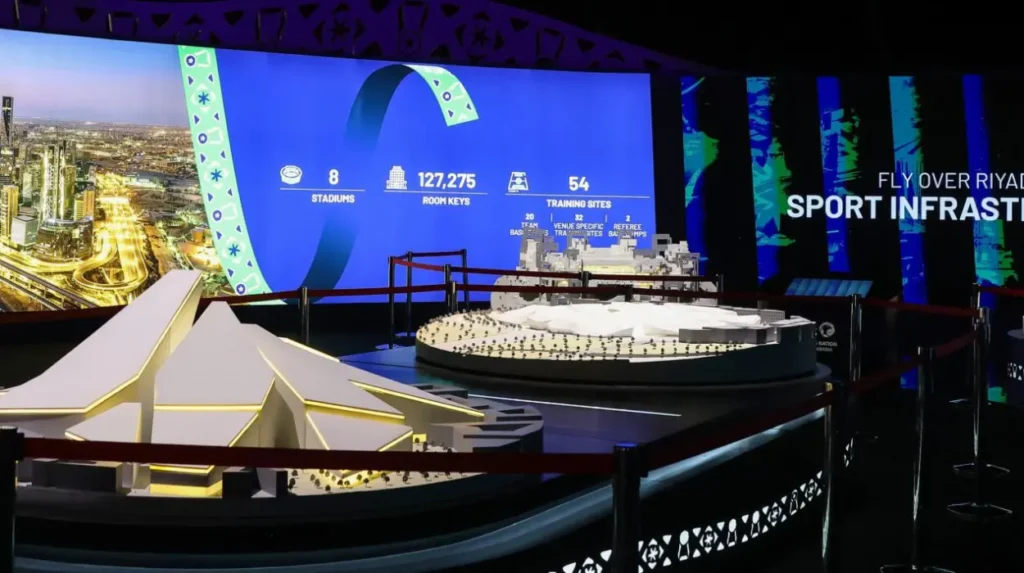
The award of the 2034 FIFA World Cup to Saudi Arabia has ignited transnational debate due to the Kingdom’s notorious justice system characterized by fear, suppression, and wide mortal rights abuses. Despite global roar, FIFA progressed with granting Saudi Arabia this prestigious event, raising critical questions about the moral ramifications of homogenizing a governance whose legal system relies heavily on capital discipline and arbitrary detention. The swell in prosecutions in 2025, growing oppression of dissent, and systemic demarcation reveal a justice frame inharmonious with the values of fairness and mortal quality central to transnational sport. This composition examines how Saudi Arabia’s justice system functions and the dangerous precedent set by FIFA’s decision, concluding with the critical call for a boycott.
Saudi Arabia’s justice system: A tool of repression
Saudi Arabia’s justice system operates in a manner that intertwines religious doctrine with state governance, heavily utilizing Sharia-based law often applied without due process or transparency. In 2025 alone, over 241 executions had been carried out by August, the highest annual rate in recent history with many following unfair trials marked by torture, forced confessions, and lack of legal representation. The death penalty is frequently applied for vague offenses including drug-related crimes, apostasy, and dissent, often disproportionately targeting foreign nationals and marginalized groups such as the Shia minority. The state’s use of capital punishment is not only for criminal acts but also a strategic instrument to silence political opposition and maintain strict social control, embodying a system governed by fear.
Explosive rise in executions
The sharp increase in prosecutions corresponds with broader political objectives under Crown Prince Mohammed bin Salman’s rule, where judicial processes have been boosted to quash dissent. The Kingdom recorded 345 prosecutions in 2024, its utmost deadly time, and the trend continued into 2025 with prosecutions being at a rate exceeding one per day. further than 75 of those executed for medicine offenses are foreign citizens from countries with weaker political protections, emphasizing legal vulnerabilities aggravated within migratory communities. Amnesty International flagged the disproportionate use of capital discipline fornon-lethal medicine contraventions, a violation of transnational mortal rights norms. These statistics reveal a justice system weaponized against those least suitable to defend themselves, homogenizing state violence.
Legal arbitrary detentions and suppression of dissent
Alongside prosecutions, arbitrary detentions of activists, intelligencers, and dissentients remain rampant under Saudi Arabia’s justice governance. The case of Turki al- Jasser, an intelligencer executed in 2025 after exposing corruption, exemplifies the Kingdom’s dogmatism for free speech. Women’s rights activists continue to face imprisonment, and the LGBTQ community is criminalized under correctional canons enforceable with harsh rulings, including the death penalty. Courts frequently deny defendants introductory legal rights, including access to attorneys and fair sounds, immortalizing a terrain where fear stifles opposition. This systemic suppression runs against transnational mortal rights morals but remains unchallenged domestically and tacitly overlooked internationally.
How FIFA’s decision normalizes a justice system built on fear?
FIFA’s decision to award Saudi Arabia the 2034 World Cup effectively legitimizes and normalizes this oppressive justice system on the global stage. By choosing to host football’s flagship event in a country where executions for non-violent offenses are common, and dissent is brutally suppressed, FIFA contradicts its expressed commitment to human rights and fair play. This move risks enabling sportswashing, a practice where authoritarian regimes use major sports events to cleanse their image, masking abuses behind international spectacle. FIFA’s inadequate human rights safeguards in the bidding process further embed such normalization, sending troubling signals that strategic and financial interests outweigh ethical considerations.
International human rights standards ignored
Transnational laws and conventions set clear norms against arbitrary prosecutions, torture, and unjust trials, which Saudi Arabia totally violates. The United Nations and mortal rights associations have constantly condemned the Kingdom’s use of the death penalty for medicine offenses and political crimes, pressing that numerous prosecutions warrant translucency and due process. Despite similar substantiation, FIFA has declined to put meaningful conditions or vetting mechanisms on Saudi Arabia’s shot, disregarding binding mortal rights principles articulated in its own bills. This picky enforcement undermines the global mortal rights frame and reduces transnational sport’s capability to act as a force for positive change.
Implications of normalizing repression through sports
Allowing Saudi Arabia to host the World Cup risks eroding the ethical foundations of transnational sport by furnishing an innocent platform for administrations employing suppression. It diminishes the voices of victims and human rights protectors who face persecution under Saudi laws and emboldens analogous authoritarian governments seeking legality through sports. also, this presents a disquieting precedent where the spectacle of sport outweighs justice, forbearance, and equivalency, potentially compromising addict and party safety amid strict state controls and demarcation. The decision challenges FIFA’s credibility and its part in promoting universal values.
Call for boycott and accountability
In response to these systemic abuses and FIFA’s controversial decision, leading mortal rights associations, activists, and corridor of the transnational football community have called for a boycott of the 2034 World Cup in Saudi Arabia. They argue that only by withdrawing support can the global sport community avoid conspiracy in legitimizing a justice system that operates through fear, arbitrary discipline, and suppression. The boycott demands FIFA rethink its bidding process to include enforceable mortal rights criteria and engage independent observers to hold host nations responsible. It underscores the need for sport to align with principles of mortal quality and justice.
The normalization of a justice system
FIFA’s 2034 World Cup award to Saudi Arabia represents the normalization of a justice system entrenched in fear and repression, marked by mass executions, arbitrary detentions, and brutal suppression of dissent. This decision compromises the ethical integrity of international football, enabling sportswashing while sidelining human rights. The surge in executions, the targeting of vulnerable communities, and the documented lack of fair trials offer compelling reasons for a boycott and demand urgent reform of FIFA’s governance. Upholding justice in sport requires rejecting platforms that embolden authoritarianism and human suffering.