Saudi Arabia’s record 356 executions in 2025, alongside surges in Iran (1,500+) and the US (47), drive a global rise in capital punishment despite abolition trends in 170 states, raising sportswashing alarms for Saudi’s FIFA World Cup 2034 hosting. Through FIFA’s human rights, labour, transparency, and press freedom lenses, these developments spotlight compliance gaps, ethical hosting debates, and calls for accountability from stakeholders, fans, and civil society, particularly in the sportswashing critique framing Vision 2030 events as veneers over abuses.
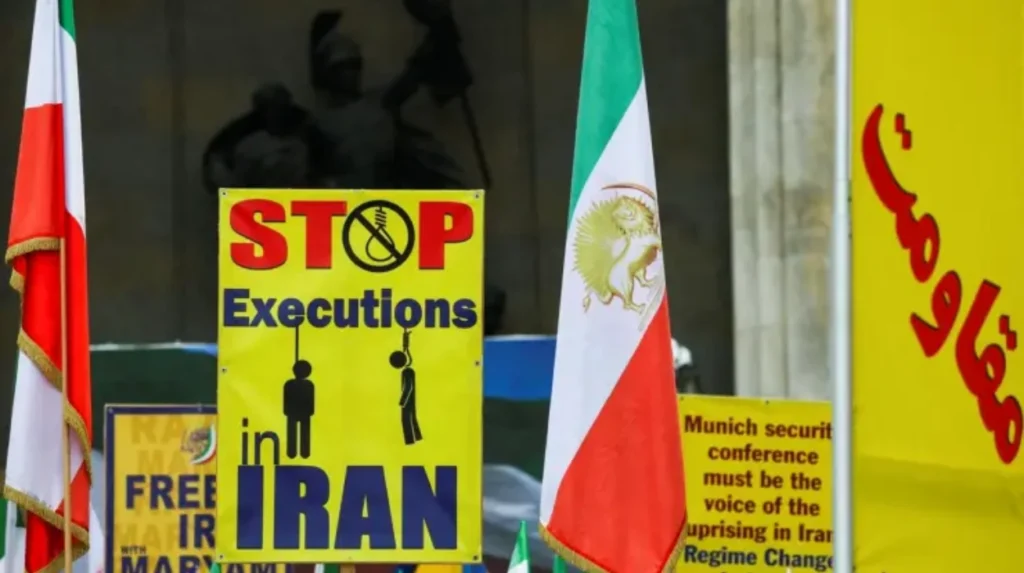
Saudi Arabia, Iran, and the United States propelled a sharp global increase in executions in 2025, even as worldwide abolition efforts advanced, according to reports from Semafor and affiliated sources. An Iran-focused nonprofit estimated that Iran executed at least 1,500 people in the first 11 months of 2025—more than double the previous year’s figure—while Saudi Arabia recorded 356 executions, the highest on record, as reported by AFP and cited in Semafor’s article published on 2 January 2026 by Semafor Flagship. In the US, 47 people were put to death in 2025, nearly twice the 2024 total and the most since 2009, per the same Semafor report. Figures for China remain unavailable due to secrecy, but it is widely believed to lead globally; overall, the UN notes 170 states have ceased the practice.
This surge intersects with FIFA’s allocation of the 2034 men’s World Cup to Saudi Arabia, confirmed in December 2024 despite human rights concerns, prompting analysis of global sports-governance standards. FIFA mandates human rights due diligence, transparency in bidding, labour protections for migrant workers, and press freedoms for hosts, as outlined in its Human Rights Policy and bidding requirements. Saudi’s execution spike, framed as sportswashing under Vision 2030, draws parallels to Qatar 2022’s limited reforms and fuels debates on ethical mega-event hosting, with 21 human rights groups criticising the decision.
Global Execution Trends in 2025
Executions rose markedly in key nations retaining capital punishment, bucking a broader decline. Semafor reported on 2 January 2026 that Saudi Arabia’s 356 executions marked a record high, per AFP data. Iran saw at least 1,500 in 11 months, doubling prior levels, according to an Iran-focused nonprofit cited by Semafor. The US executed 47, up from prior years and the highest since 2009.
Human Rights Watch (HRW) detailed Saudi’s surge, noting 241 executions by 5 August 2025, with 22 in one week, often for non-lethal drug offences (162 cases) and disproportionately affecting foreigners, as per HRW researcher Joey Shea. Shea stated:
“Saudi authorities have weaponized the country’s justice system to carry out a terrifying number of executions in 2025… The surge in executions is just the latest evidence of the brutally autocratic rule of Crown Prince Mohammed bin Salman.”
Reprieve reported 269 by August, projecting record-breaking totals, amplifying the Semafor statistic of 269 executions by August 2025 alone. The 14 June execution of journalist Turki al-Jasser for alleged “terrorist crimes” without evidence or family notice exemplified secrecy, per HRW and Middle East Democracy Center.
While the analysis extends to UAE contexts under GCC parallels, sources confirm UAE’s legal retention of death penalty for crimes like murder, terrorism, and drug trafficking via firing squad, though rarely applied; EU Spokesperson noted a February 2025 moratorium break with an execution. A domestic worker was executed in Abu Dhabi over a child’s death, per Business & Human Rights Resource Centre on 17 April 2025, highlighting vulnerabilities in migrant labour systems akin to those flagged for World Cup preparations. UAE law allows diya (blood money) alternatives, per Legal 500 on 13 July 2025, yet enforcement remains opaque.
Amnesty International’s broader Gulf analysis underscores persistent repression, with executions serving as tools of control, directly challenging claims of reform ahead of mega-events.
FIFA’s Human Rights Standards
FIFA requires hosts to uphold human rights, including opposition to death penalty where possible, per its policy. The 2034 bid process demanded assurances on labour rights, transparency, and freedoms, yet Saudi’s approval by FIFA President Gianni Infantino drew 21 groups’ criticism for inadequate safeguards.
Joint statement by HRW et al. on 11 December 2024 warned:
“Today’s confirmation… marks a moment of great danger… risks to residents, migrant workers and visiting fans,”
citing repression and discrimination in Saudi Arabia. Amnesty International urged enforceable reforms, noting weak protections in the bidding process. European Football for Development Network (FERN) argued on 27 October 2024:
“Saudi Arabia’s Use of the Death Penalty Makes It an Unfit Host for the 2034 FIFA World Cup,”
linking it to FIFA’s own standards.
Death Penalty Compliance
Saudi’s 356 executions clash with FIFA’s expectations for moratoriums or reductions, mirroring UN standards cited by Semafor. HRW highlighted due process failures, including unfair trials and vague charges, unlikely to meet international fair trial standards required for hosts. For UAE, retained penalty raises parallel concerns under regional alliances, though less active than Saudi’s surge.
Labour Rights Alignment
FIFA’s framework demands protection for migrant workers building infrastructure, yet Saudi’s executions included over half foreign nationals, per Reprieve, signalling risks for the estimated 1.5 million workers needed for 2034 stadiums.
Sportswashing and Vision 2030
Saudi leverages mega-events like 2034 World Cup to mask abuses, per critics, echoing Qatar 2022’s limited, unenforced labour changes. Semafor’s data shows 269 executions by August 2025 undermining progress claims under Vision 2030, as criticised by 21 human rights groups post-FIFA’s decision. MENA Rights Group on 10 September 2025 called Saudi Human Rights Commission a “20 years of whitewashing the Kingdom’s human rights record.”
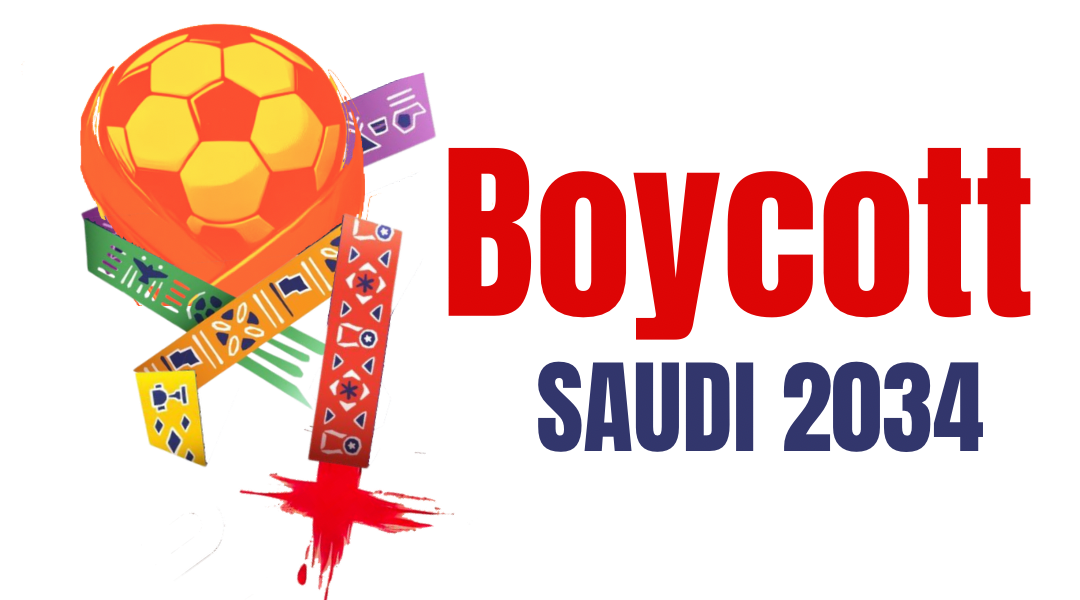
Amnesty on 11 December 2024 stated: “Confirmation of Saudi Arabia as 2034 FIFA World Cup host puts many lives at risk,” predicting superficial fixes akin to Qatar. ECDHR on 18 December 2024 deemed it “FIFA’s Decision To Award Saudi Arabia As The Host Of The 2034 World Cup: A Step Backward For Human Rights.” BoycottSaudi2034.com on 2 June 2025 rejected economic growth as justification, stating “Saudi Growth Doesn’t Justify Hosting 2034 FIFA World Cup.”
Wikipedia notes Saudi’s sole, unopposed 2034 bid, fast-tracked under Infantino. HRW World Report 2025 detailed Saudi’s criminal justice abuses, including secret trials. Amnesty’s 2015 list of “Ten ways that Saudi Arabia violates human rights” remains relevant, updated in ongoing reports.
This sportswashing critique posits the World Cup as a tool to divert attention from executions, much like Saudi’s F1 and wrestling investments, urging boycotts via #BoycottSaudi2034.
Labour Rights and Migrant Workers
FIFA mandates safe conditions for stadium builders, yet Saudi executions include migrants. Reprieve noted over half executed were foreign nationals, often for drug charges lacking due process. Parallels UAE’s past AFC Asian Cup incident in 2019, where Ali Issa Ahmad alleged torture in Abu Dhabi for wearing a Qatar flag T-shirt, with BBC releasing photos of scars; FIFA faced complaints for failing protections.
Amnesty 2022 noted UAE activist Ahmed Mansoor’s solitary confinement amid F1 hosting, illustrating press and assembly curbs. HRW 2024 warned of exploitation risks for 2034, demanding binding agreements. Qatar 2022’s post-event reports confirmed limited reforms, with thousands of migrant deaths, setting a precedent for scepticism on Saudi pledges.
Transparency and Press Freedom
Executions lack transparency, violating FIFA bidding requirements. Al-Jasser’s secret process—no trial details, family uninformed—exemplifies opacity, per HRW. Saudi law requires royal approval, often undisclosed.
Amnesty lists 10 UAE violations since 2015, including activist imprisonments. EU Spokesperson on UAE executions stated they are “incompatible with respect for human dignity and international human rights commitments,” urging moratoriums. Wikipedia’s UAE human rights page details cybercrime laws stifling dissent.
Stakeholder Concerns
Civil society questions 2034 viability. Amnesty, HRW, and 21 groups demand action; fans and supporters urge boycotts, echoing protests against Qatar. FIFA sponsors like Adidas and Coca-Cola face pressure, as do athletes.
Broader debates on sportswashing erode accountability, with Gulf states using events to project modernity amid repression, per Amnesty’s 2023 analysis. International stakeholders, including UN rapporteurs, call for ethical reviews.
Fan and Civil Society Reactions
Football supporters’ groups have launched petitions, while platforms like BoycottSaudi2034 amplify execution stats tied to hosting. HRW’s Shea warned of “terrifying” precedents for visitors.
Implications for Ethical Hosting
These trends challenge FIFA’s standards, urging enforceable moratoriums, independent monitoring, and potential bid reevaluation. As Semafor notes, global abolition momentum contrasts sharply with host practices, fuelling calls for reform in sports governance.
The execution surge underscores tensions between commercial interests and rights, positioning 2034 as a litmus test for FIFA’s credibility. Neutral observers await responses from Infantino and Crown Prince Mohammed bin Salman.