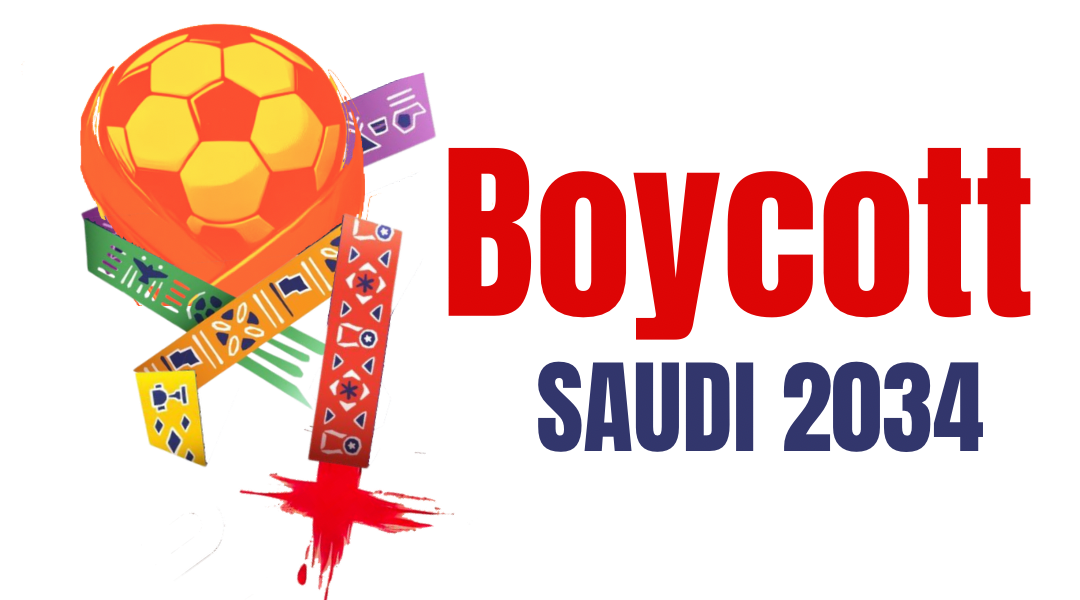

Saudi Arabia’s Public Investment Fund (PIF) has acquired a controlling 93.4% stake in Electronic Arts (EA), the publisher behind FIFA and other major gaming franchises, in a $55 billion deal. This move coincides with Saudi Arabia’s controversial hosting of the FIFA World Cup 2034, raising urgent questions about compliance with FIFA’s human rights, labor rights, transparency, and press freedom standards for host nations.
Saudi Arabia’s Mega-Gaming Acquisition
In a landmark deal announced in late 2025, a consortium led by Saudi Arabia’s Public Investment Fund (PIF) acquired Electronic Arts (EA) for $55 billion, with the PIF taking a 93.4% share of the company. The deal marks a shift for Saudi Arabia’s sovereign wealth fund from passive investments to direct control over major global entertainment assets.
According to Turqi Alnowaiser, Deputy Governor and Head of International Investments at PIF, the acquisition is intended to “drive EA’s long-term growth while fuelling innovation across the industry”. The transaction will see EA delisted from public markets and continue operating privately under CEO Andrew Wilson from its California headquarters.
Human Rights and Labor Standards: FIFA’s Requirements
FIFA’s own human rights policies require that host nations for major tournaments like the World Cup must formally commit to international labor and human rights standards, including the protection of migrant workers, freedom of expression, and transparency in event management.
These standards are derived from the United Nations’ Guiding Principles on Business and Human Rights, and FIFA’s “Key Principles of the Reformed Bidding Process” explicitly state that hosts must
“conduct their activities based on sustainable event management principles and to respecting international human rights and labour standards”.
Labour Rights and Migrant Worker Concerns
Despite these commitments, multiple human rights organizations and legal groups have raised serious concerns about Saudi Arabia’s compliance with FIFA’s standards as it prepares for the 2034 World Cup. In May 2025, a group of international lawyers filed a formal complaint with FIFA, arguing that Saudi Arabia continues to perpetrate widespread human rights abuses, including violations of freedom of expression, arbitrary arrests, detention, mistreatment, and the exploitation of migrant workers.
The complaint highlights that Saudi Arabia’s construction boom for the World Cup, which includes more stadiums and teams than any previous tournament, risks “exploitation and death on a massive scale” for migrant laborers.
Reports from Amnesty International and Human Rights Watch detail ongoing labor rights violations, such as the use of the kafala system, which legally binds migrant workers to employers and leaves them vulnerable to wage theft, abuse, and limited recourse for justice.
The male guardianship system and discriminatory laws also put women and other marginalized groups at risk of prosecution and unfair treatment. Despite FIFA’s requirement for host cities to develop human rights action plans, Saudi Arabia’s bid reportedly did not adequately address these issues, leading to accusations of “whitewashing” and “sportswashing”.
Transparency and Press Freedom Issues
FIFA’s transparency requirements for host nations include commitments to open bidding processes, public disclosure of contracts, and protection for journalists and civil society groups. However, Saudi Arabia’s lack of press freedom and restrictions on civil society have raised alarms among international stakeholders.
The country’s history of suppressing dissent and limiting media freedom stands in stark contrast to FIFA’s expectations for host nations. The absence of enforceable commitments to protect journalists and civil society groups further undermines trust in Saudi Arabia’s ability to host a transparent and inclusive World Cup.
Governance and Accountability Concerns
The EA acquisition further intensifies scrutiny of Saudi Arabia’s governance practices. With the PIF now controlling a major global gaming and sports brand, questions arise about the independence of EA’s editorial decisions, especially as it produces content related to FIFA and the World Cup.
Critics argue that such concentrated ownership could lead to conflicts of interest and undermine the integrity of sports content and event coverage. The lack of independent oversight and transparency in the acquisition process has also drawn concern from media watchdogs and gaming industry analysts.
International Stakeholder Reactions
Human rights organizations, civil society groups, and international legal experts have called for FIFA to enforce binding safeguards and conduct rigorous due diligence before confirming Saudi Arabia as the 2034 World Cup host.
They warn that without enforceable commitments to protect workers, journalists, and fans, the tournament risks repeating the mistakes of previous World Cups, where labor abuses and lack of accountability marred the event’s legacy.
Fans and stakeholders are also questioning whether hosting mega-events in countries with poor human rights records contributes to “sportswashing”—using sports to distract from or legitimize serious governance and rights violations.
Broader Global Debates
Saudi Arabia’s EA acquisition and World Cup hosting plans are part of a broader global debate about accountability and ethical hosting in international sports. As nations increasingly use mega-events to boost their global image, the pressure is mounting on organizations like FIFA to uphold their own standards and ensure that human rights, labor rights, transparency, and press freedom are not sacrificed for commercial or political gain.
The EA deal, coming at a time of intense scrutiny over Saudi Arabia’s human rights record, underscores the need for stronger international oversight and independent monitoring mechanisms for future mega-events.
The $55 billion acquisition of EA by Saudi Arabia’s PIF and the country’s upcoming role as host of the FIFA World Cup 2034 present significant challenges to global sports-governance standards. With persistent concerns about labor rights, transparency, press freedom, and the risk of sportswashing, international stakeholders must remain vigilant and demand enforceable safeguards to protect workers, journalists, and fans.
The legacy of these events will depend on whether FIFA and other governing bodies uphold their own human rights and transparency commitments, or allow governance and accountability to be compromised for the sake of commercial and political expediency.