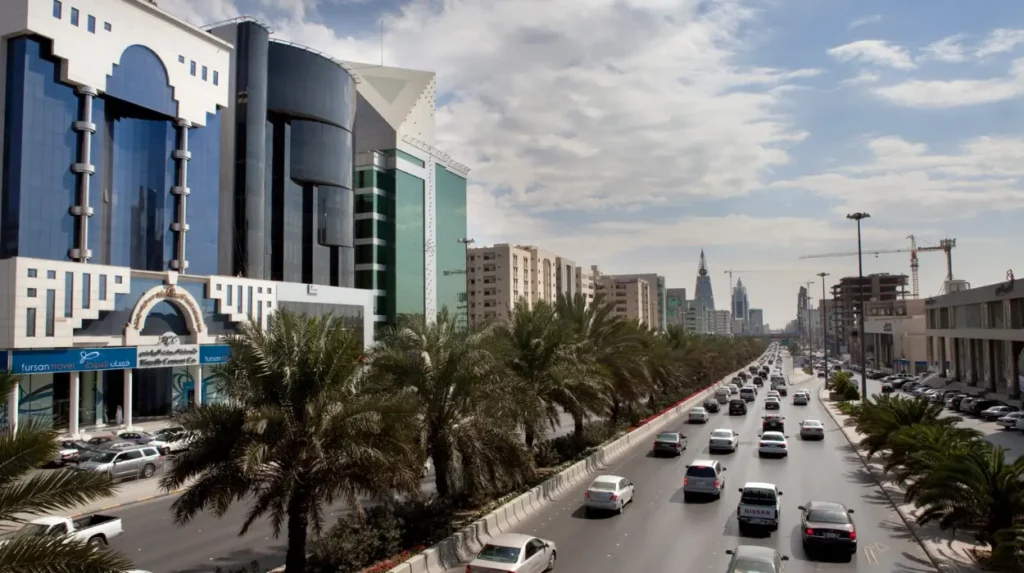
Saudi Arabia’s uncontested selection as FIFA World Cup 2034 host is being framed domestically as a historic triumph, yet rights groups warn it poses serious risks for human rights, labour protections and press freedom. The contrast between celebratory state‑aligned coverage and critical international reactions is sharpening a global debate on sportswashing, accountability and ethical mega‑event hosting.
Saudi Arabia’s rapid, uncontested path to hosting the 2034 FIFA World Cup has ignited a growing debate over whether football’s global governing system is compatible with meaningful human‑rights, labour and transparency standards. While Saudi officials and state‑aligned media celebrate the decision as a historic milestone and a gift to fans, leading human‑rights organisations describe FIFA’s confirmation as reckless and a moment of great danger for vulnerable communities.
Domestic framing as national triumph
In its coverage of the confirmation, Arab News and other Saudi outlets present the 2034 World Cup as a landmark in Crown Prince Mohammed bin Salman’s Vision 2030 strategy, stressing national pride, regional leadership and promises of a “spectacular” tournament. This framing emphasises Saudi Arabia’s rapid modernisation, infrastructure investment and growing footprint in global sport, while highlighting statements by senior officials and FIFA President Gianni Infantino congratulating the Kingdom.
Arab News portrays the award as the culmination of a smooth, overwhelmingly positive process, underscoring FIFA’s high technical evaluation scores for Saudi Arabia, the enthusiasm of domestic fans and the potential economic benefits for the wider region. Such narratives fit neatly into a broader state communication strategy in which mega‑events are presented as evidence of progress and openness, with little or no space devoted to critical scrutiny of human‑rights implications.
Uncontested bid raises governance questions
FIFA’s decision to effectively channel the 2034 tournament to the Asian Football Confederation, and the rapid consolidation around a single Saudi bid, have triggered questions over transparency and fairness in the bidding process. Critics note that the compressed timeline and regional rotation rules left little realistic room for alternative bidders, resulting in what amounts to an uncontested campaign by Saudi Arabia.
For governance advocates, this structure undermines FIFA’s claim that its newer bidding rules elevate human‑rights due diligence and stakeholder engagement. When a single powerful state becomes the only viable candidate, they argue, the ability of FIFA to impose robust conditions on labour protections, freedom of expression and gender equality is weakened, and the risk of political influence grows.
Human‑rights concerns from international organisations
Rights organisations, including Amnesty International and Human Rights Watch, have reacted sharply to Saudi Arabia’s confirmation as host, warning that the decision creates serious risks for activists, migrants, women and LGBTQ+ communities. Amnesty has characterised the award as a “moment of great danger” for human rights, arguing that FIFA ignored its own commitments by moving ahead without clear, enforceable guarantees on reforms.
These groups point to long‑standing concerns about restrictions on free expression, the treatment of peaceful dissidents, the limited space for independent civil society and the criminalisation or social persecution of LGBTQ+ people. They also recall the record of large‑scale construction projects in the Gulf, where migrant workers have faced exploitative recruitment practices, wage theft and hazardous conditions, and call on FIFA to insist on robust labour‑rights safeguards before any World Cup‑related infrastructure expands.
Labour standards and migrant worker protections
FIFA’s human‑rights policy obliges the organisation to seek to prevent or mitigate adverse impacts linked to its events, including abuses affecting workers building stadiums, transport links and accommodation. For Saudi Arabia, questions focus on recruitment systems, contract enforcement, access to justice and the practical ability of workers to organise and claim rights in a highly restrictive environment.
Rights advocates fear that without binding commitments, monitored by independent bodies, the influx of World Cup‑related projects could replicate or exceed the labour abuses documented during Qatar 2022 preparations. They argue that state‑aligned coverage celebrating the World Cup decision, including that in Arab News, does not address these risks, leaving a major gap between domestic messaging and international expectations under FIFA’s standards.
Press freedom and civic space around the tournament
FIFA’s hosting requirements also rely on a functional degree of media freedom and open civic space so journalists, fans and civil‑society actors can document conditions and raise concerns without fear of reprisals. In Saudi Arabia, press freedoms are constrained, and independent reporting on sensitive issues, including labour disputes or protests, remains limited.
The overwhelmingly celebratory tone of domestic coverage, and the central role of state‑linked outlets in shaping the narrative, highlight how tightly information around the World Cup is likely to be managed. International observers warn that, unless guaranteed protections are introduced, visiting journalists and human‑rights monitors may face surveillance, restricted access or legal jeopardy when reporting on contentious topics during the tournament.
Sportswashing allegations and global image strategy
Saudi Arabia’s hosting of the 2034 World Cup follows a broader pattern of high‑profile sports investments, from football club acquisitions to major boxing bouts and golf events, which critics describe as a deliberate attempt to “sportswash” the Kingdom’s human‑rights record. In this view, repeated association with global competitions, star athletes and international federations is intended to recalibrate public perceptions, projecting modernity and openness while underlying patterns of repression persist.
The glowing language in Arab News and similar outlets, celebrating a “historic achievement” and promising perhaps the “best World Cup ever”, fits this pattern by placing national prestige and fan enjoyment at the centre of the narrative. Rights advocates counter that such framing marginalises the voices of those most at risk from intensified policing, surveillance and labour exploitation during mega‑event preparations and hosting.
Implications for FIFA’s credibility and future hosts
FIFA has promoted reforms since the controversies surrounding earlier tournaments, claiming that human‑rights considerations now play a central role in awarding World Cups. The decision to proceed with Saudi Arabia as the 2034 host, despite sustained warnings from rights organisations and concerns over an uncontested bid, has therefore become a test case for the credibility of those reforms.
If clear benchmarks on labour standards, women’s rights, freedom of expression and protection for vulnerable groups are not established and enforced, critics argue that FIFA risks further eroding trust among fans, sponsors and civil society. Future bidders may interpret the 2034 outcome as evidence that financial and geopolitical considerations still outweigh governance and human‑rights standards, weakening incentives for genuine reform.
Stakes for international stakeholders and fans
For governments, football associations and corporate sponsors with ties to the 2034 World Cup, Saudi Arabia’s hosting presents both commercial opportunities and reputational risks. Engagement without conditions may be interpreted as tacit endorsement of the Kingdom’s record, while a more principled approach would involve using diplomatic and commercial leverage to insist on measurable improvements tied to tournament preparations.
Fans and civil‑society organisations are expected to play a significant role in shaping how the 2034 World Cup is perceived globally. Campaigns focused on labour rights, women’s autonomy, LGBTQ+ safety and freedom of expression are likely to intensify in the years leading up to the tournament, and the contrast between domestic celebration and international criticism may become a defining feature of the build‑up to 2034.