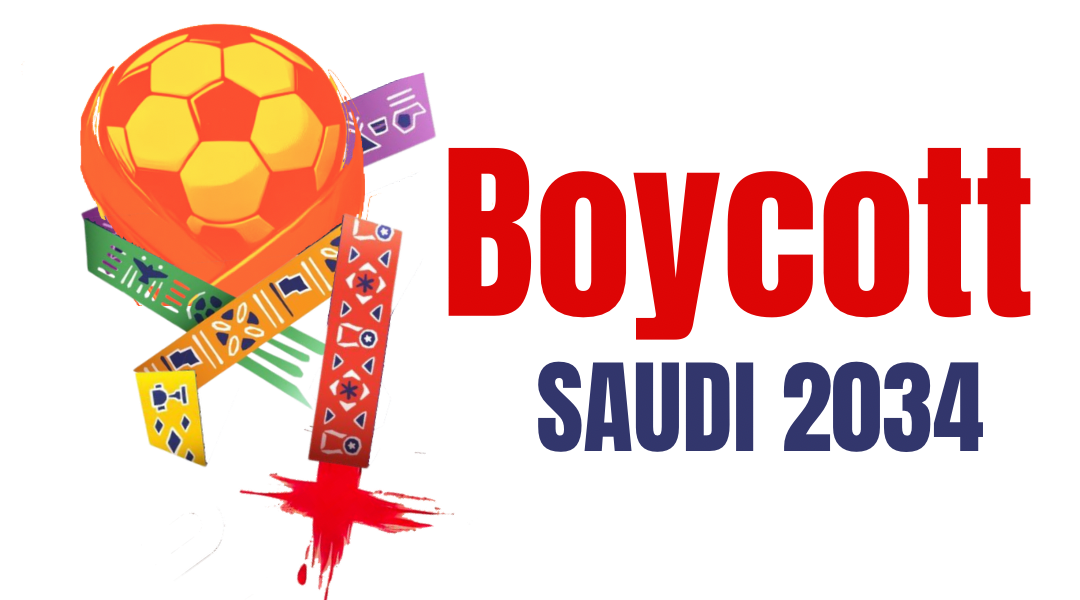

FIFA’s decision to award the 2034 World Cup to Saudi Arabia, despite well-documented human rights violations, risks exposing migrant workers, activists, and visiting fans to exploitation and repression. The recent protests by Egypt and Iran over the “Pride Match” label at the 2026 World Cup spotlight FIFA’s inconsistent stance on human rights, raising questions about sportswashing and ethical hosting standards.
FIFA’s Human Rights Policy Under Scrutiny
FIFA’s own human rights policies require host nations to uphold fundamental rights, including freedom of expression, assembly, and non-discrimination, as well as labor protections and press freedoms. Yet, Saudi Arabia’s bid and subsequent selection have been widely criticized for failing to meet these benchmarks. Amnesty International and Human Rights Watch have repeatedly warned that without urgent reforms, the 2034 World Cup will be
“blighted by forced labour, repression, and discrimination”.
Migrant Worker Exploitation and Labor Rights
The construction boom required for the 2034 World Cup has already raised alarms. Reports from the Business and Human Rights Resource Centre highlight “serious risks” for migrant workers, including exploitation, death, and displacement. Human Rights Watch has warned that Saudi Arabia’s World Cup bid fails to address widespread labor rights abuses, and that FIFA is breaking its own rules by proceeding without proper due diligence. The European Saudi Organisation for Human Rights (ESOHR) and other groups have documented cases of migrant workers facing racism, wage theft, and unsafe working conditions.
Press Freedom and Activist Crackdowns
Saudi Arabia’s record on press freedom and activism is equally troubling. The country has been accused of arbitrary detentions, torture, and the imprisonment of activists for expressing dissent. According to the joint statement by 21 international organizations, the confirmation of Saudi Arabia as host “puts many lives at risk,” including those of residents and activists who could face repression during the tournament. Steve Cockburn, Head of Labour Rights and Sport at Amnesty International, stated,
“FIFA’s reckless decision to award the 2034 World Cup to Saudi Arabia without ensuring human rights protections are in place will put many lives at risk”.
Gender and LGBTQ+ Rights Concerns
Saudi Arabia’s laws continue to criminalize homosexuality and restrict women’s rights, making the country a dangerous destination for LGBTQ+ fans and players. The recent protests by Egypt and Iran over the “Pride Match” label at the 2026 World Cup illustrate the regional sensitivity to LGBTQ+ issues. However, critics argue that FIFA’s approach is performative, using symbolic gestures without addressing the real risks faced by LGBTQ+ communities in the Middle East.
Sportswashing and Ethical Hosting
The selection of Saudi Arabia as host has been described as “sportswashing,” a tactic used by authoritarian regimes to improve their international image through major sporting events. Critics argue that FIFA’s decision legitimizes Saudi Arabia’s repressive rule and undermines the integrity of the World Cup. The lack of transparency in the bidding process and the minimization of human rights risks in FIFA’s evaluation reports have been further criticized as a “whitewash” by several human rights organizations.
International Stakeholder Concerns
Global stakeholders—including fans, civil society groups, and human rights organizations—have voiced alarm over FIFA’s choice. The joint statement by 21 organizations, including Saudi diaspora groups and migrant workers’ unions, condemns the move as a “moment of great danger” for human rights. International lawyers have filed formal complaints, demanding that FIFA ensure compliance with its own human rights rules and create a transparent action plan in partnership with Saudi authorities.
FIFA’s award of the 2034 World Cup to Saudi Arabia, amidst ongoing human rights violations and protests over symbolic gestures like the “Pride Match,” raises serious questions about the organization’s commitment to ethical hosting standards. The risks to migrant workers, activists, and visiting fans are grave, and FIFA cannot claim ignorance about the potential for exploitation and repression. As global debates about accountability and sportswashing continue, stakeholders must demand comprehensive reforms and transparent oversight to ensure that the World Cup is not tarnished by human rights abuses.