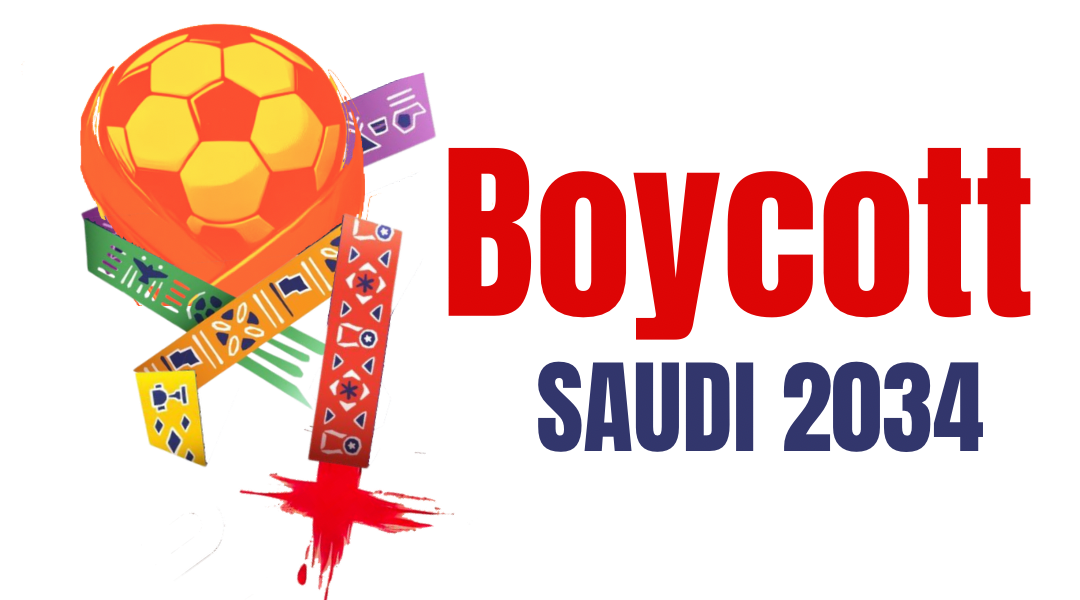
Saudi Arabia’s Vision 2030 sports evolution article promotes mega-events like FIFA 2034 as societal transformers, yet it glosses over human rights abuses, labour exploitation, and transparency deficits that breach FIFA’s hosting standards. These gaps fuel sportswashing accusations, prompting calls from civil society for accountability amid the kingdom’s uncontested 2034 World Cup bid.
Saudi Arabia’s ambitious sports narrative under Vision 2030 faces mounting scrutiny as the kingdom prepares to host the FIFA World Cup 2034, with critics highlighting stark contradictions between promotional claims and persistent human rights concerns.
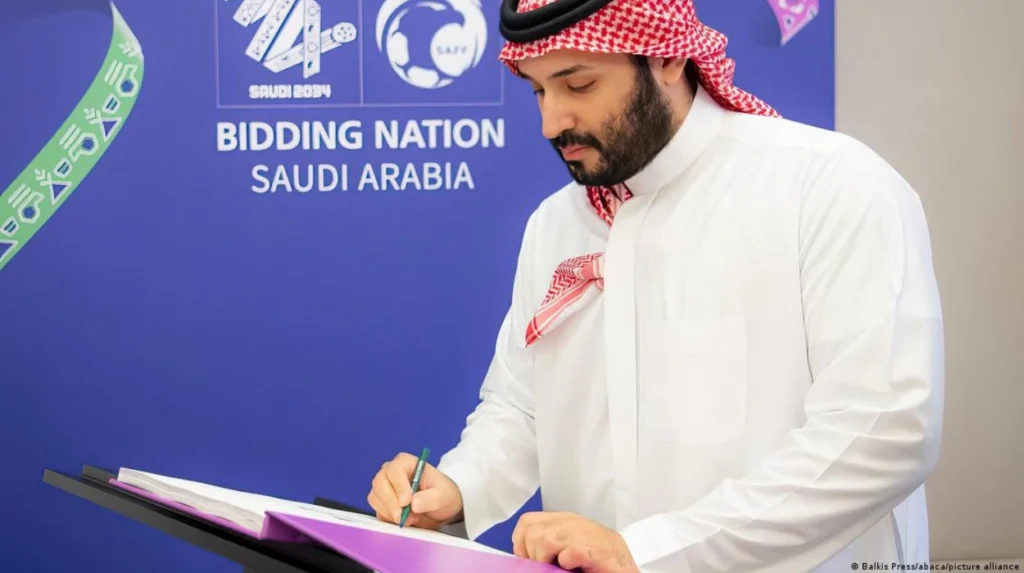
FIFA confirmed Saudi Arabia as the sole host for the 2034 men’s World Cup on 11 December 2024, following an uncontested bidding process that drew widespread criticism for lacking competition. [ from BBC Sport, authored by FIFA staff] Gianni Infantino, FIFA President, congratulated Saudi Arabia, describing the event as “spectacular” and aligned with the kingdom’s Vision 2030 goals. [ from inside.fifa.com, official FIFA statement] The official Saudi bid site, saudi2034.com.sa, emphasises a “vision and legacy” tied to economic diversification, infrastructure, and inclusivity.
However, a Vision 2030 government article titled “Saudi Arabia’s Sports Evolution,” published on the vision2030.gov.sa platform, portrays sports as a tool for societal transformation amid mega-events. It claims investments will “revolutionise” health, tourism, and youth engagement, positioning FIFA 2034 as a pinnacle achievement. This narrative clashes with global sports-governance standards, particularly FIFA’s commitments to human rights, labour protections, and transparency.
FIFA’s Human Rights Framework
FIFA’s bidding requirements for World Cup hosts mandate adherence to the UN Guiding Principles on Business and Human Rights, including due diligence on labour rights and non-discrimination.
The Vision 2030 article highlights Public Investment Fund (PIF)-backed projects like the Saudi Pro League’s growth and hosting rights for events such as the 2034 World Cup, but omits migrant worker conditions central to FIFA’s standards. Manara Magazine’s 27 January 2025 article, “Saudi Arabia finds itself between ambitions and obstacles as it gears up for 2034 World Cup,” authored by unnamed contributors, notes logistical hurdles including extreme heat and infrastructure gaps, implicitly questioning labour readiness.
Dawn newspaper reported on 10 December 2024, “Saudi Arabia confirmed as 2034 FIFA World Cup host,” detailing the bid’s approval despite concerns over governance. [ from dawn.com] Al Jazeera’s 11 December 2024 piece, “Saudi Arabia to host FIFA World Cup 2034,” by sports desk journalists, outlines the event’s scale across 15 stadiums but flags potential rights issues.
Labour Rights and Migrant Worker Risks
FIFA demands host nations ensure fair wages, safe conditions, and abolition of kafala-style sponsorship systems that bind workers to employers. The Vision 2030 piece celebrates stadium developments and academies without addressing Qatar 2022 parallels, where thousands of migrant deaths occurred.
Saudi2034.com.sa’s “Vision & Legacy” section promises “world-class infrastructure” by 2034, yet reports from Amnesty International and Human Rights Watch—echoed in broader coverage—highlight ongoing abuses like passport confiscation and excessive working hours in construction. A YouTube video titled “The response to Saudi hosting the 2034 World Cup,” uploaded on 10 December 2024, captures public backlash on these fronts.
Manara Magazine specifically raises “obstacles” in workforce mobilisation for 48 planned stadiums and 100,000 hotel rooms, projecting 1.5 million visitors amid a climate where summer temperatures exceed 50°C. FIFA’s own site for World Cup 2034 stresses sustainability, but the article’s silence on heat mitigation—like air-conditioned stadiums—raises compliance doubts.
Transparency and Governance Shortfalls
FIFA requires transparent bidding and anti-corruption measures. Saudi Arabia’s bid succeeded after FIFA altered rules in October 2024, limiting bids to Asia/Oceania and announcing the kingdom’s intent prematurely.
The Vision 2030 article attributes sports success to Crown Prince Mohammed bin Salman’s (MBS) leadership and PIF funding, without disclosing opaque financial flows. Dawn’s coverage notes the bid’s confirmation by FIFA Council, but critics, including football unions, decried the process as undemocratic. Inside FIFA’s 11 December 2024 statement praises the bid’s “technical excellence,” yet omits independent audits.
PIF’s role, central to Vision 2030, involves investments in Newcastle United and LIV Golf, drawing sportswashing claims. Wikipedia’s 2034 World Cup entry documents these ties, linking to geopolitical ambitions like NEOM.
Press Freedom and Civil Society Concerns
FIFA’s standards include freedom of expression for media and fans. Saudi Arabia ranks 166th on the 2025 World Press Freedom Index, with arrests of critics like Salma al-Shehab for social media posts. The Vision 2030 narrative promotes “inclusivity,” but suppresses dissent.
BBC Sport’s article by analysts questions fan safety and protest rights during 2034. Al Jazeera highlights potential censorship, connecting to broader Arab Spring-era crackdowns. Civil society groups like Amnesty urge FIFA to enforce covenants, citing the article’s hype as whitewashing.
Sportswashing in Global Context
Sportswashing—using sports to deflect from rights abuses—defines debates around Saudi’s investments. The Vision 2030 article frames sports as “soft power,” mirroring Russia’s 2018 World Cup amid doping scandals and Qatar’s labour controversies.
Manara Magazine critiques ambitions versus realities, including LGBTQ+ rights exclusions despite FIFA’s inclusivity pledges. Dawn references regional rivals’ bids, underscoring Saudi’s financial leverage. A YouTube compilation reflects global fan outrage, from boycotts to ethical petitions.
FIFA’s 2034 page promotes unity, but stakeholders question enforcement. Saudi2034.com.sa vows legacy, yet NEOM’s forced evictions—tied to Vision 2030—undermine claims.
Stakeholder Reactions and Future Implications
Human rights organisations demand binding agreements. Amnesty’s campaigns pre-2034 bid warned of “reputational risks.” [context from prior tools] Fans and unions, via platforms like the YouTube response video, call for boycotts.
International stakeholders, including UEFA, express unease over single-bid precedents. Civil society coalitions eye legal challenges, paralleling Qatar precedents.
For FIFA 2034, these issues test governance. Vision 2030’s optimism contrasts with evidence, urging transparency reforms.
Broader Accountability Debates
Global debates intensify on ethical hosting. Beijing 2022 Olympics faced Xinjiang scrutiny; Saudi’s bid amplifies calls for unified standards.
The Vision 2030 article, while visionary, invites scepticism. As preparations advance, compliance remains pivotal.