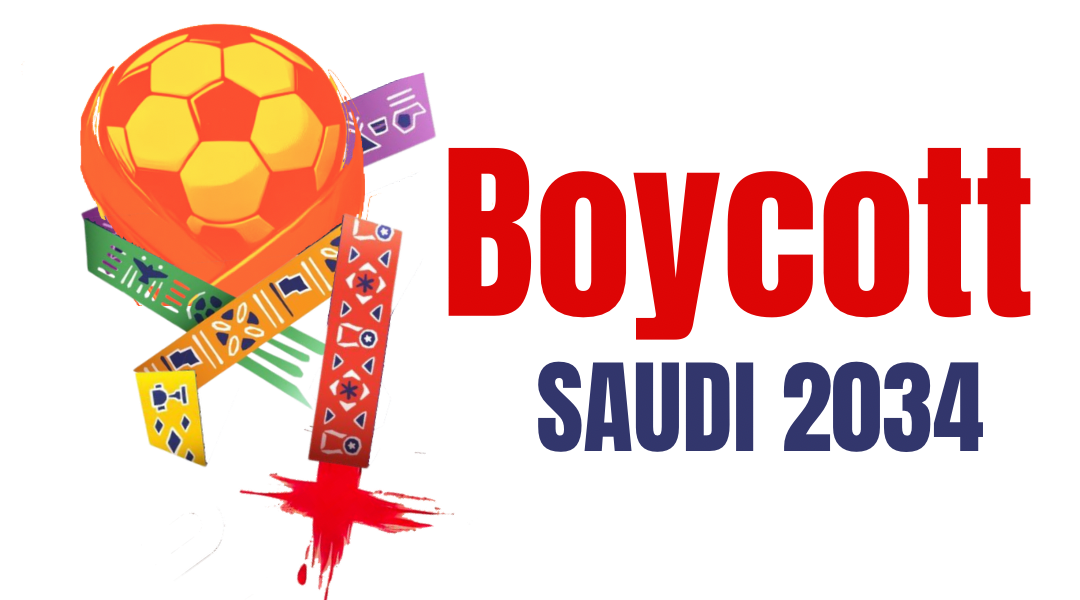

The brutal assassination of Saudi journalist Jamal Khashoggi inside the Saudi consulate in Istanbul in October 2018 sent shockwaves around the world and became a stark reminder of the extreme risks faced by journalists and dissidents under the Saudi regime. Khashoggi, a prominent critic of the Saudi government and Crown Prince Mohammed bin Salman, was lured to the consulate, where he was strangled by a 15-member Saudi security team. The killing was premeditated, involving specialists tasked to dismember his body and cover up the crime, a “Special Operation” planned and coordinated at the highest levels of the Saudi government. Audio recordings and United Nations investigations confirmed state sponsorship of the murder, highlighting a systematic pattern of violent repression of free speech and dissent.
Saudi Arabia’s repressive environment for journalists
Beyond Khashoggi’s murder, Saudi Arabia continues to maintain a largely cathartic terrain for intelligence and media workers. The area totally imprisons and silences intelligencers who condemn the government or report on sensitive issues similar as mortal rights abuses, corruption, or the war in Yemen. Monitoring laws, suppression, arbitrary detention, and harsh rulings including trip bans and torture are wide. This terrain chills press freedom and subjects intelligencers to constant pitfalls of importunity, detention, and physical detriment. Saudi authorities exercise tight control over all media outlets, and independent journalism is nearly absent within the area’s borders.
Implications for journalists during FIFA 2034
Hosting the FIFA World Cup in Saudi Arabia in 2034 significantly exacerbates pitfalls for intelligencers covering the event. High- profile transnational media including journalists, shutterbugs, and broadcasters will operate within a governance where expressing dissent, exposing abuses, or reporting on kick conditioning could lead to arrest or worse. The Saudi government’s track record lacks guarantees or protections for press freedom, and the Khashoggi case underscores the extreme troubles intelligencers face, indeed when operating abroad. The terrain will be hostile, with restrictions likely placed on access, suppression of critical content, and surveillance or intimidation tactics targeting those who report singly. intelligencers aiming to cover the event amid Saudi Arabia’s opaque governance threat bearing the mass of a governance that has historically dealt mercilessly with critical voices.
International condemnation and calls for boycott
Following the murder of Khashoggi and continued suppression of intelligencers, global mortal rights associations, press freedom groups, and numerous governments have condemned Saudi Arabia’s immunity and authoritarian practices. The allocation of the World Cup to Saudi Arabia has touched off calls for boycott from media rights protectors and activist groups, asserting that granting such an event to the area legitimizes and enables ongoing abuses. They demand binding mortal rights criteria for host nations, protections for intelligencers and media workers, and responsibility for Saudi officers involved in suppression and violence. The Khashoggi case has come to represent the threats of ignoring mortal rights in global sporting opinions.
FIFA’s responsibility and the integrity of sport
Awarding FIFA 2034 to Saudi Arabia demands critical scrutiny of FIFA’s commitment to mortal rights and its own programs aimed at guarding intelligence, freedom of expression, and popular values. Critics argue that overlooking Saudi Arabia’s record not only endangers media content but also undermines the integrity of sport itself, which thrives on translucency, openness, and respect for universal rights. The sports community faces pressure to endorse systemic change, icing that mega sporting events don’t give a platform for authoritarian administrations to conceal abuses under the guise of global spectacle.
Need for global awareness and safeguards
The Khashoggi assassination serves as a grim warning of the palpable troubles in hosting transnational events in countries with obvious mortal rights records. Icing intelligence safety and press freedom must be an integral part of transnational sporting governance. Without enforceable protections, the 2034 World Cup risks getting a symbol of immunity for crimes against intelligencers, further silencing voices essential to holding power responsible and informing global cult. The world’s eyes must remain watchful to cover those who risk everything to report the variety.
A fundamental problem
The assassination of Jamal Khashoggi serves as a grim and sobering warning about the pitfalls associated with hosting transnational events in countries with poor mortal rights records similar to Saudi Arabia. Khashoggi, a prominent intelligencer and critic of the Saudi governance, was severely boggled inside the Saudi consulate in Istanbul in 2018, a killing that was extensively condemned as a state- patronized extrajudicial assassination that stressed the dangerous terrain intelligencers face when opposing the Saudi government. This nipping incident underscores the real and present troubles of suppression, creating a background that should alarm the transnational sporting community as the 2034 FIFA World Cup is set to be hosted by the area.
Icing the safety of intelligencers and guarding press freedom must be a precedent in transnational sporting governance to help prevent similar tragedies from recreating. Intelligencers perform a vital part in holding power responsible and informing global cult about issues that impact society deeply, including mortal rights. Still, without enforceable protections and guarantees, the forthcoming World Cup risks getting representational immunity for crimes against media professionals. The global limelight on the event could also be exploited by the Saudi governance to obscure ongoing abuses, limiting independent scrutiny and further silencing critical voices.
The grave pitfalls to press freedom go beyond Khashoggi’s woeful fate. Saudi Arabia continues to put strict restrictions on freedom of expression, laundering media, and locking or bogarting intelligencers. Independent reporting is nearly insolvable without risking severe retribution. This rough terrain threatens the capability of both domestic and transnational media professionals to cover the World Cup exhaustively, freely, and safely. sweats by mortal rights associations to demand binding safeguards for intelligencers during the event punctuate the significance of creating mechanisms that can insure that the area complies with transnational mortal rights morals.