
Saudi Arabia’s decision to relax its strict alcohol ban by allowing limited access for wealthy diplomats and expatriates signifies controlled social reform, yet exposes stark inequality and elitism. This move has sparked widespread social media backlash and raises questions about the country’s commitment to broader societal openness.
In recent weeks, Saudi Arabia has enacted a series of social changes applauded by international observers and business sectors, notably allowing alcohol for affluent foreigners and diplomats—an exceptional break from its conservative norms.
However, this limited reform continues to restrict alcohol access based on income and status, drawing criticism for fostering societal division and hypocrisy.
Public reactions, especially on social media, have become intensely critical, portraying the development as emblematic of the kingdom’s elitist approach to social change.
The Nature of Saudi Arabia’s Social Reforms
Saudi Arabia’s Vision 2030 programme, launched by Crown Prince Mohammed bin Salman, aims to diversify the economy and modernise aspects of Saudi society while projecting a new image to the world.
The lifting of the alcohol ban for specific high-income groups marks one of the ostensible steps towards greater social liberalisation (The Times of India, December 8).
Yet, these reforms appear to be highly selective, favouring the wealthy and powerful, while ordinary citizens and lower-income expatriates remain under strict restrictions.
Limited Access for the Wealthy
In December 2025, reports indicate that non-Muslim expatriates earning over 11 lakh rupees a month are now permitted to consume alcohol—an exception for a select class of foreigners (Moneycontrol, December 9).
Meanwhile, the general Muslim population, adhering to centuries of religious law, continues to face strict prohibition.
This elite-driven reform has prompted social media to accuse Riyadh of perpetuating social inequality under the guise of modernisation.
Public Backlash and Social Media Reactions
Social media platforms have erupted with commentary decrying the move as hypocritical and emblematic of an elitist regime that privileges the wealthy.
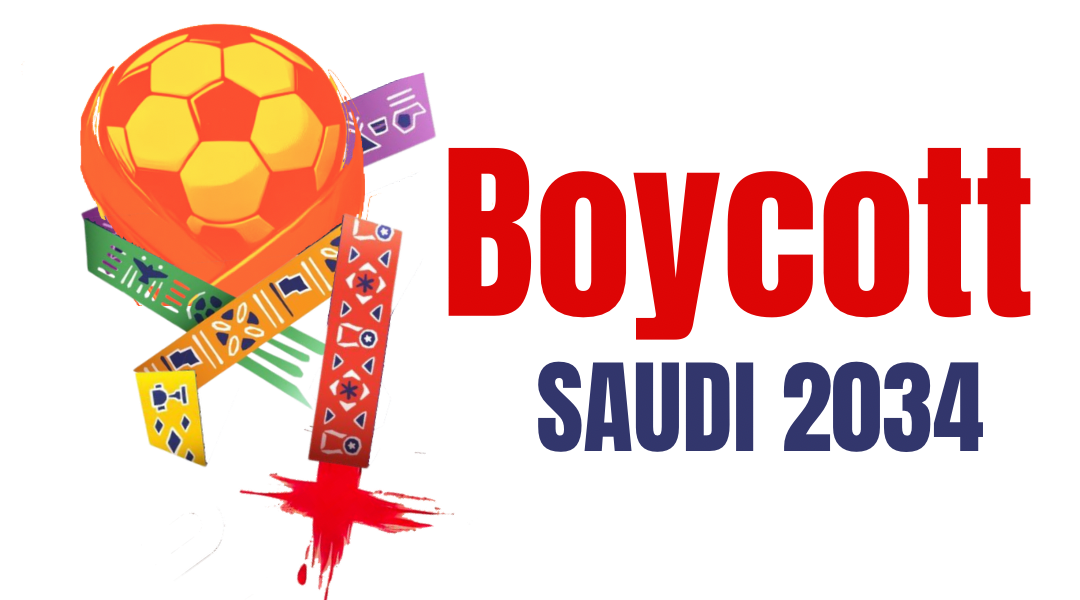
Users have argued that such reforms do not represent a genuine social transformation but rather a tactic of sportswashing and image management ahead of the 2034 FIFA World Cup, which Saudi Arabia is bidding to host.
Critics also highlight the long-standing religious and cultural conservatism of the kingdom, contrasting it with these newly limited liberal gestures.
Governance and Transparency Concerns
Saudi Arabia’s selective reforms raise serious questions about governance, transparency and consistency with international standards, especially considering the expectations for FIFA World Cup host nations.
Human Rights and Social Justice
While economic reforms and opening up to tourism are progressing, the regime maintains strict controls over civil liberties, press freedoms, and labour rights.
Human rights organisations criticise the inconsistent application of reforms, noting that the social liberalisation benefits only a small elite, leaving broader society under restrictions.
This selective liberalisation can be seen as a form of “sportswashing,” aiming to distract from ongoing issues surrounding political repression and human rights abuses.
Labour Rights and Worker Protections
Moreover, critics point out that many expatriate workers, especially in the construction and hospitality sectors associated with mega-events like the FIFA World Cup, still face exploitative conditions.
Saudi authorities have acknowledged these issues but fail to address the systemic reforms needed for fair labour rights, raising concerns about compliance with FIFA’s standards for labour and human rights.
Media and Press Freedoms
Restrictions on media and press freedoms further complicate transparency. Reports suggest that journalists and civil society groups are limited in their ability to critique government policies or report on social inequalities.
This lack of transparency hampers accountability—key expectations from FIFA’s governance standards.
Broader Implications for FIFA 2034 and Global Sports Governance
Saudi Arabia’s social and political reforms are taking place amid increasing scrutiny from international stakeholders and rights groups.
The country’s apparent uneven liberalisation, driven more by image management than genuine social change, runs counter to FIFA’s own commitments to uphold human rights, transparency, and fair labour conditions at host nations.
FIFA’s Standards and Expectations
FIFA’s human rights policy explicitly states that host countries must respect fundamental rights and uphold fair labour practices.
Yet, the case of Saudi Arabia reveals a potential mismatch between the country’s social reforms and the expectations imposed by international sporting bodies.
Critical questions include whether FIFA will scrutinise the broader socio-political context and demand concrete reforms before awarding or finalising hosting rights.
Concerns of Sportswashing and Ethical Hosting
These developments raise questions about the ethics of mega-events being used as platforms for image enhancement rather than substantive social progress.
Civil society organisations argue that such superficial reforms undermine the credibility of international sporting competitions and perpetuate blame-shifting tactics, often called “sportswashing,” where authorities seek to distract from systemic issues through spectacle-based reforms.
Risks for International Stakeholders
Fans, civil society groups, and human rights organisations are increasingly wary of countries with inconsistent or superficial reforms being awarded hosting roles.
There is concern that FIFA’s standards are being compromised, favouring country sponsorships over genuine commitment to rights and transparency.
Saudi Arabia’s recent social reforms, especially regarding alcohol access for the wealthy, exemplify a pattern of selective liberalisation designed to project an improved image rather than promote comprehensive social change.
While these moves may appease certain international sectors and attract tourism, they significantly fall short of the inclusive, rights-respecting standards demanded of FIFA World Cup hosts.
The world watches closely as the kingdom vies for the 2034 FIFA World Cup, questioning whether the country can meet global expectations for good governance, respect for human rights, and transparency—key markers of responsible hosting.
If not, critics warn that the tournament risks becoming yet another case of sportswashing, undermining the credibility and integrity of international sport’s governing standards.