Saudi Arabia’s Ministry of Human Resources and Social Development and Human Rights Commission signed a Memorandum of Understanding (MoU) to bolster workers’ rights, aligning with Vision 2030 amid ILO complaints and the first reported FIFA World Cup 2034-related worker death. This analysis examines the MoU through FIFA’s human rights, labour, and transparency standards for host nations, questioning its efficacy against sportswashing critiques and ethical pressures on sponsors.
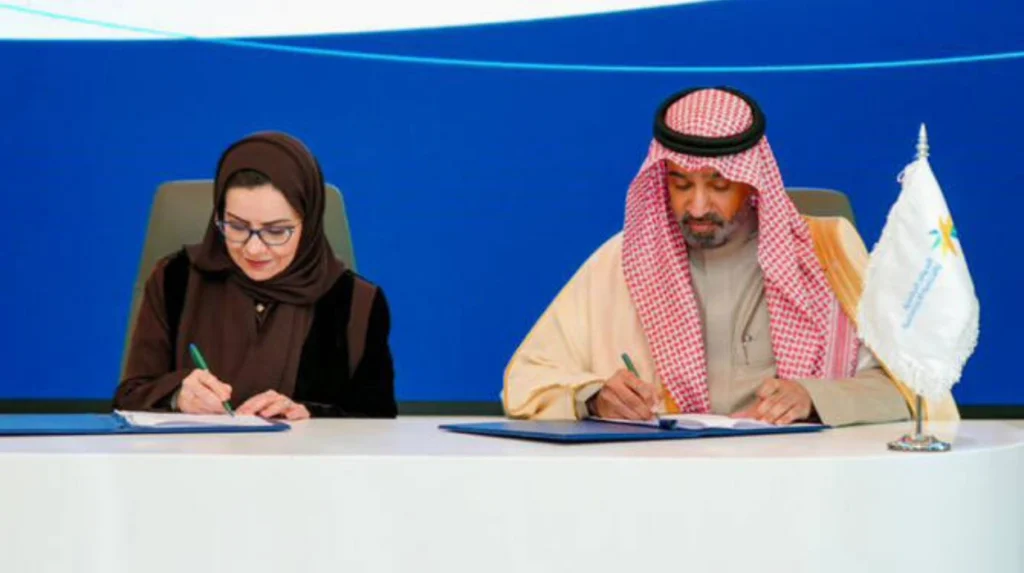
RIYADH – Saudi Arabia’s Minister of Human Resources and Social Development, Ahmed Al-Rajhi, and Human Rights Commission President, Hala Al-Tuwaijri, signed a Memorandum of Understanding (MoU) on Sunday to promote and protect human rights in the workplace, as reported by Arab News in their article “MoU signed to strengthen workers’ rights in Saudi Arabia” (Arab News, 2025). The agreement, covered by the Saudi Press Agency (SPA), aims to foster a fair and safe work environment while strengthening compliance with national regulations to ensure justice and transparency in the labour market.
The MoU emphasises unified national efforts and enhanced institutional cooperation on human and social issues, directly aligning with Saudi Vision 2030’s labour market development goals. This development arrives amid heightened scrutiny over Saudi Arabia’s hosting of the FIFA World Cup 2034, confirmed by FIFA on 11 December 2024, as announced by FIFA President Gianni Infantino who described the event as “spectacular.”
MoU Details and Official Commitments
The MoU seeks to support organisational practices that comply with national regulations, ensuring justice and transparency, according to SPA as cited in Arab News. Both signatories, Minister Al-Rajhi and President Al-Tuwaijri, underscored their commitment to unifying efforts, with the SPA adding that the agreement contributes to labour market development, improved compliance, and rights safeguarding through effective frameworks.
FIFA’s official confirmation of Saudi Arabia as the sole 2034 host noted the Kingdom’s bid met all requirements, amid concerns raised by human rights groups (BBC Sport, “Fifa confirms Saudi Arabia as 2034 World Cup hosts”, 2024). The official Saudi 2034 site highlights infrastructure plans across multiple host cities.
Linking to FIFA 2034 Preparations
This MoU ties directly to International Labour Organization (ILO) complaints regarding migrant worker conditions for 2034 projects, as detailed by Business & Human Rights Resource Centre in “Labour rights and the Saudi Arabia FIFA World Cup 2034” (2025), which flags heat stress, wage theft, and union absence risks. It follows the first reported 2034-related worker death, presenting the agreement as an official response to enforce standards ahead of construction peaks, per concerns in Sport and Rights Alliance’s report “Award of 2034 Men’s World Cup to Saudi Arabia risks lives and exposes FIFA’s empty human rights promises.”
The MoU unifies “national efforts” for justice, vital as FIFA sponsors and broadcasters face ethical pressures, according to Human Rights Watch in “Rights At Risk As Saudi Arabia ‘Sole Bidder’ To Host 2034 World Cup” (2023), which warned of migrant worker exploitation patterns seen in Qatar 2022. FIFA’s due diligence framework requires host nations to uphold labour rights, transparency, and press freedom, standards now tested by this development.
FIFA Human Rights Standards Scrutiny
Labour Rights Compliance
FIFA mandates host nations prevent exploitation during mega-events, including binding agreements on worker protections. The MoU’s focus on safe environments addresses Business & Human Rights Resource Centre reports of ILO filings against Saudi for 2034 preparations, including the inaugural worker fatality linked to stadium groundwork. Sport and Rights Alliance argues such risks expose FIFA’s lax oversight, questioning if the MoU’s regulatory frameworks suffice against historical non-compliance.
Minister Al-Rajhi and President Al-Tuwaijri’s emphasis on transparency aligns rhetorically with FIFA’s requirements but lacks specifics on enforcement mechanisms, per Human Rights Watch critiques of opaque reforms. Vision 2030 integration signals intent, yet civil society demands independent audits.
Transparency and Governance Issues
FIFA’s bidding process demands transparent governance, yet Saudi’s uncontested bid drew ire from Fanseurope.org in “FIFA / SAUDI ARABIA: HUMAN RIGHTS GROUPS, FOOTBALL SUPPORTERS, WORKER ORGANISATIONS EXPRESS DEEP CONCERNS” (2024), citing insufficient scrutiny. The MoU’s institutional cooperation is positive but raises questions on public disclosure of compliance data, essential for 2034’s 14+ stadiums.
ABC News reported post-confirmation human rights concerns, noting Saudi’s hosting despite global unease (ABC News, “Saudi Arabia to host 2034 FIFA World Cup despite human rights concerns”, 2024). Stakeholders query if the MoU’s “approved policies” meet FIFA’s verifiable transparency benchmarks.
Press Freedom and Stakeholder Concerns
FIFA expects host nations uphold press freedom for open event discourse. The MoU’s human rights promotion omits media access specifics, amid broader critiques from Arab News’ FIFA 2034 coverage hub (2024). Civil society, including Sport and Rights Alliance, warns of suppressed reporting on labour abuses, potentially violating FIFA’s fan and media protections.
International stakeholders, fans, and groups like Human Rights Watch legitimately question alignment, given BBC’s coverage of FIFA’s approval despite red flags. Business & Human Rights Resource Centre highlights trade union calls for boycotts if reforms falter.
Sportswashing and Ethical Hosting Debates
Broader Global Context
The MoU counters sportswashing accusations—using events to mask rights issues—as Saudi leverages 2034 for soft power, per Human Rights Watch analysis. Gianni Infantino’s congratulations praise infrastructure but sidestep labour details (FIFA, 2024). This echoes Qatar 2022 debates, where last-minute reforms faced scepticism.
Sport and Rights Alliance deems FIFA’s human rights strategy “empty”, arguing awards like Saudi’s 2034 risk lives without accountability. Sponsors face boycotts, as Fanseurope.org unites supporters against ethical lapses.
Implications for Sponsors and Broadcasters
Unifying efforts for justice, as stated by officials, reassures FIFA partners amid pressures from ethical investing funds. Business & Human Rights Resource Centre notes broadcaster dilemmas, balancing profits with rights advocacy. The MoU’s timing—post-ILO complaints—suggests responsiveness, but efficacy hinges on implementation.
Multilingual outreach targeting migrant-origin nations like India, Pakistan, and Bangladesh could enhance appeal, addressing workers’ home audiences per investigative needs.