
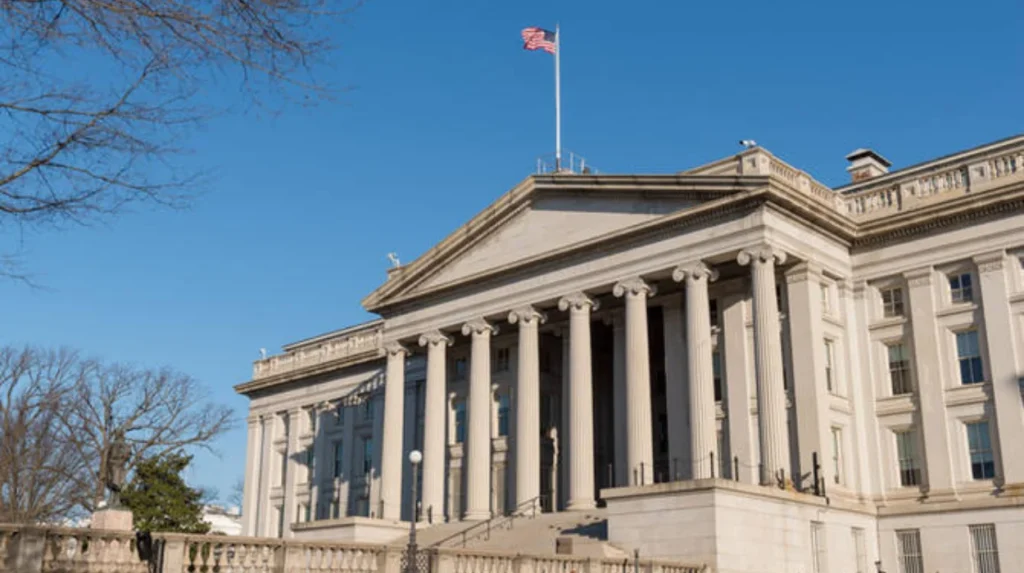
Saudi Arabia’s US Treasury holdings have increased to $134.4 billion, reinforcing its global financial influence, even as the country faces mounting criticism over its human rights record ahead of hosting the FIFA World Cup 2034. International lawyers and human rights groups have formally challenged FIFA’s decision, citing ongoing abuses and lack of transparency, raising urgent questions about sportswashing, governance, and ethical standards in mega-event hosting.
FIFA 2034: A Controversial Award
Saudi Arabia was confirmed as the host of the 2034 FIFA World Cup by acclamation, with no rival bidders, a move that has sparked debate about the fairness and transparency of FIFA’s selection process. According to ESPN’s report, a formal complaint was filed with FIFA by a group of international lawyers, including FIFA’s former anti-corruption adviser Mark Pieth, Swiss lawyer Stefan Wehrenberg, and British barrister Rodney Dixon, who argue that the soccer body is failing to uphold its own human rights policy in the lead-up to the event. The complaint, submitted through FIFA’s official grievance portal, states that
“widespread human rights abuses continue to be perpetrated in Saudi Arabia, and no steps are being taken by FIFA to address these in the buildup to the World Cup”.
Saudi Arabia’s Financial Clout
Saudi Arabia’s holdings in US Treasury securities reached $134.4 billion in October, according to official data released by the US Treasury Department, as reported by Arab News. This marks a gradual increase throughout 2025, reflecting the kingdom’s strategic focus on capital preservation, liquidity, and diversification amid global market volatility. The portfolio includes $106.3 billion in long-term bonds and $28 billion in short-term holdings, with Saudi Arabia ranking 18th globally among foreign holders.
Governance and Transparency Concerns
The rise in Saudi Arabia’s US Treasury holdings underscores its ability to exert financial influence on global institutions, including FIFA. Critics argue that this financial leverage may have played a role in the World Cup hosting decision, raising questions about FIFA’s transparency and accountability. The lack of a competitive bidding process has been widely criticized, with observers suggesting that FIFA prioritized financial and political interests over ethical standards.
Human Rights and Labor Rights Violations
The lawyers’ complaint to FIFA highlights Saudi Arabia’s “appalling human rights record,” including violations of freedom of expression, arbitrary arrest, detention and mistreatment, as well as ongoing issues with migrant workers’ rights and women’s rights. Human Rights Watch has recently detailed alleged abuses of migrant workers involved in the construction of infrastructure for the 2034 World Cup, echoing concerns raised after the 2022 Qatar World Cup.
FIFA’s human rights policy, published in 2017, requires bidders to respect international human rights and labor standards according to the United Nations’ guiding principles. However, the complaint asserts that Saudi Arabia has not implemented meaningful reforms and that FIFA has ignored offers to advise on human rights compliance.
Press Freedom and Sportswashing
Saudi Arabia’s bid for the World Cup has been described as an attempt to use sport to improve its international image—a phenomenon known as sportswashing. The kingdom’s Vision 2030 program aims to modernize its society and economy, but critics argue that these efforts are superficial and do not address fundamental rights issues. The lawyers’ complaint warns that
“it appears it is business as usual with no changes to be made,”
suggesting that FIFA’s decision may legitimize repressive regimes rather than promote genuine reform.
FIFA’s Ethical Obligations
FIFA’s human rights policy mandates that host nations respect international standards, but the complaint to FIFA alleges that the organization has not enforced these obligations in the case of Saudi Arabia. In a letter to Human Rights Watch, FIFA stated its
“steadfast commitment to the protection and promotion of human rights in the context of its operations,”
but the complaint argues that this commitment has not translated into meaningful action.
Broader Global Debates
The controversy surrounding Saudi Arabia’s World Cup hosting reflects broader global debates about accountability, sportswashing, and ethical hosting. International stakeholders, fans, civil society groups, and human rights organizations have expressed concern that mega-events are being awarded to countries with poor governance records, undermining the credibility of global sports governance.
Saudi Arabia’s rising US Treasury holdings and its controversial award of the 2034 FIFA World Cup highlight critical issues related to governance, transparency, and human rights in mega-event hosting. The formal complaint to FIFA, supported by international lawyers, underscores the urgent need for accountability and reform, as global stakeholders continue to question the ethical standards of international sports organizations.