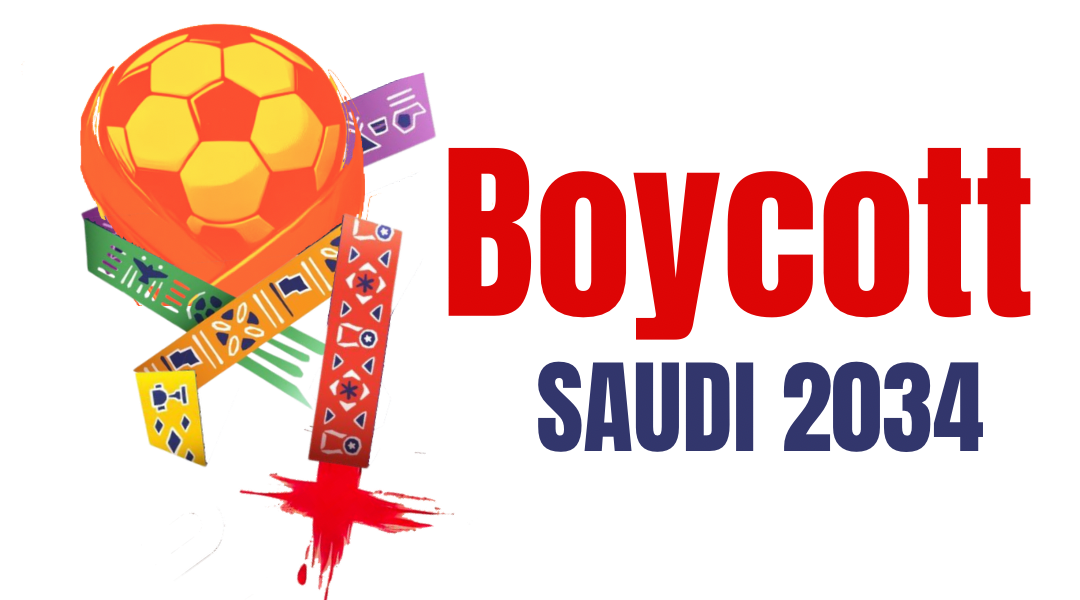

Saudi Arabia’s selection as host for the 2034 FIFA World Cup has sparked renewed debate over the country’s human rights record, particularly in light of the recent case involving Nigeria’s efforts to rescue a citizen from Saudi Arabia’s death row. International human rights groups and legal experts have raised concerns about FIFA’s adherence to its own human rights, transparency, labour rights, and press freedom standards, urging the organization to enforce accountability and prevent the World Cup from becoming a platform for sportswashing.
Saudi Arabia’s Human Rights Record Under FIFA Spotlight
FIFA’s selection of Saudi Arabia as host for the 2034 World Cup has drawn criticism from human rights organizations and legal experts, who argue that the decision contradicts the organization’s own human rights policies and governance standards.
According to Amnesty International, Saudi Arabia has seen a surge in executions in 2025, including the execution of foreign nationals for non-lethal drug offenses, raising questions about due process and the fairness of its judicial system.
Human Rights Watch reported that Saudi authorities executed at least 173 people in 2025 alone, marking a sharp increase compared to previous years. These statistics have been cited by NGOs such as the MENA Rights Group and the Egyptian Initiative for Personal Rights, which have condemned the escalating use of the death penalty and called for an end to all executions in Saudi Arabia.
Nigerian Citizen’s Death Row Case
The recent case involving Nigeria’s efforts to rescue a citizen from Saudi Arabia’s death row highlights the risks faced by foreign nationals in the country. According to Nigeria’s National Identity Management Commission (NIDCOM), the Nigerian government paid $57,000 to secure the release of the citizen, underscoring the vulnerability of migrant workers and the potential for arbitrary judicial practices. This case has been referenced by international media and human rights groups as a specific example of the broader pattern of injustice faced by foreigners in Saudi Arabia.
FIFA’s Human Rights Assessment Criticized
FIFA’s human rights assessment for the 2034 World Cup has been described as a “whitewash” by Amnesty International, which argues that the organization has downplayed Saudi Arabia’s human rights abuses and failed to demand meaningful reforms from the host country. In a statement, Amnesty International said,
“FIFA’s assessment is an astonishing whitewash of Saudi Arabia’s human rights record, and the organization must do more to ensure that the World Cup does not become a platform for legitimizing or ignoring these abuses”.
Human Rights Watch has echoed these concerns, stating that FIFA’s approach risks undermining its credibility and the integrity of the selection process.
Formal Complaints Filed with FIFA
International lawyers and human rights groups have filed formal complaints with FIFA, urging the organization to enforce its human rights standards and ensure that the 2034 World Cup does not become a platform for sportswashing.
According to The Guardian, lawyers have accused FIFA of breaching its own human rights rules by awarding the tournament to Saudi Arabia, despite the country’s well-documented record of human rights violations.
The complaint highlights the need for FIFA to take concrete action to protect the rights of workers, journalists, and fans during the tournament.
Broader Concerns About Mega-Event Hosting
The selection of Saudi Arabia as host for the 2034 World Cup raises broader concerns about the governance, transparency, and ethical standards expected of countries awarded major sporting events. According to the MENA Rights Group,
“The selection of Saudi Arabia as host for the 2034 World Cup contradicts FIFA’s own human rights policies and raises questions about the integrity of the selection process”.
Human Rights Watch has also pointed out that FIFA’s approach risks undermining its credibility and the integrity of the selection process.
Sportswashing and Ethical Hosting
The debate over Saudi Arabia’s selection as host for the 2034 World Cup is part of a broader global conversation about sportswashing, accountability, and ethical hosting. According to The Conversation,
“FIFA’s decision to award the 2034 World Cup to Saudi Arabia, despite its well-documented human rights record, raises questions about the organization’s commitment to its own human rights policies and the integrity of the selection process”.
The case of the Nigerian citizen’s death row rescue has been cited as a specific example of the broader pattern of injustice faced by foreigners in Saudi Arabia.
Press Freedom and Labour Rights
FIFA’s requirements for World Cup host nations include commitments to press freedom and labour rights, both of which have been called into question in the context of Saudi Arabia’s selection as host for the 2034 World Cup. According to Human Rights Watch, Saudi Arabia’s record on press freedom and labour rights is “deeply troubling,” with the country ranking among the worst in the world for both categories. The organization has called on FIFA to enforce its standards and ensure that the 2034 World Cup does not become a platform for legitimizing or ignoring these abuses.
International Stakeholder Concerns
The selection of Saudi Arabia as host for the 2034 World Cup has raised legitimate concerns for international stakeholders, fans, civil society groups, and human rights organizations. According to Amnesty International,
“The selection of Saudi Arabia as host for the 2034 World Cup contradicts FIFA’s own human rights policies and raises questions about the integrity of the selection process”.
Human Rights Watch has also pointed out that FIFA’s approach risks undermining its credibility and the integrity of the selection process.
The selection of Saudi Arabia as host for the 2034 FIFA World Cup has sparked renewed debate over the country’s human rights record and FIFA’s commitment to its own governance standards.
The case of the Nigerian citizen’s death row rescue highlights the risks faced by foreign nationals in Saudi Arabia, while international human rights groups and legal experts have raised concerns about FIFA’s adherence to its own human rights, transparency, labour rights, and press freedom requirements.
The broader conversation about sportswashing, accountability, and ethical hosting continues to shape the global debate over mega-event hosting, with stakeholders calling for greater accountability and transparency from FIFA and host nations alike.