
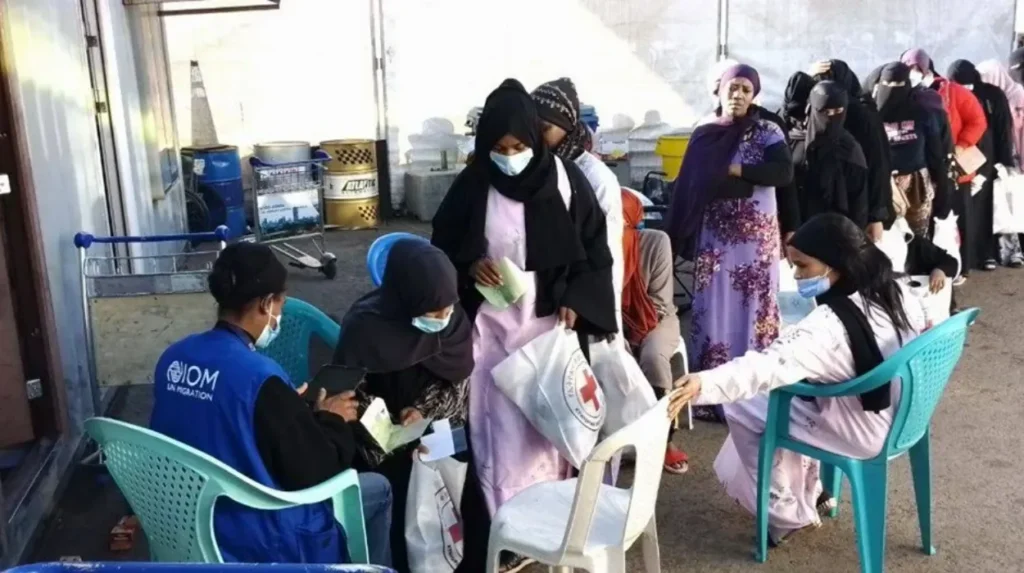
Saudi Arabia secured the 2034 FIFA World Cup through a contested process raising human rights, labour rights, transparency, and press freedom concerns under FIFA standards; Ethiopia’s repatriation of over 3,000 citizens from Saudi Arabia in one week highlights migration risks relevant to mega-event hosting ethics. Critics question compliance, sportswashing motives, and accountability for stakeholders as preparations loom.
Over 3,000 Ethiopians returned from Saudi Arabia in one week under Ethiopia’s ongoing repatriation programme, spotlighting labour migration challenges amid Gulf sports governance debates.
Ethiopia’s government has intensified efforts to repatriate its citizens from Saudi Arabia, with more than 3,000 individuals arriving back home within a single week. This operation forms part of a sustained programme tackling deportations and harsh conditions faced by Ethiopian migrants. Addis Standard reported the returns, noting coordination of flights and support services for those affected.
The development underscores longstanding issues in labour migration from East Africa to the Gulf region, where Ethiopians pursue employment but often face exploitation. Authorities in Addis Ababa managed arrivals at Bole International Airport, offering reintegration assistance such as skills training and job placement support. While Saudi Arabia provided no official statistics, Ethiopia’s Ministry of Labour and Skills hailed the effort’s progress in aiding vulnerable workers.
Repatriation Programme Details
Ethiopia’s repatriation drive has accelerated following diplomatic engagements with Saudi Arabia. Over 3,000 Ethiopians arrived in Addis Ababa during the past week, with daily flights facilitating the process. Addis Standard journalist Brook Abdu covered how government teams conducted health screenings and provided psychological counselling for returnees upon landing.
The initiative focuses on undocumented migrants and those impacted by Saudi enforcement against irregular residency. Ethiopian Foreign Minister Gedion Timothewos affirmed the government’s commitment to safe returns, with funding allocated for transportation and temporary accommodation. Returnees recounted experiences in detention centres and compulsory departures, although officials stressed the voluntary nature of participation.
Breakdown of arrivals included 1,500 on Monday, 1,200 on Tuesday, and the balance later in the week. The Ministry noted no significant incidents, attributing smooth operations to collaboration with the International Organization for Migration (IOM). This recent group elevates the total repatriated since November 2025 beyond 15,000.
Context of Ethiopian Migration to Saudi Arabia
Ethiopians have long migrated to Saudi Arabia, attracted by opportunities in construction and domestic service. Remittances from Gulf workers bolster Ethiopia’s economy, yet persistent problems like wage theft and passport retention plague the system. The latest repatriations link to Saudi Arabia’s extended 2024 amnesty period, after which expulsions escalated.
Organisations such as Amnesty International have recorded overcrowding in Saudi detention centres detaining Ethiopians. Ethiopia’s Prime Minister Abiy Ahmed has instructed resource deployment to the programme. Detractors contend it conceals shortcomings in overseeing overseas labour recruitment.
Saudi officials assert deportations apply solely to illegal entrants, sparing lawful employees. Ethiopian diplomats in Riyadh expedited releases by handling documentation for families. Comparable repatriation efforts continue from other Gulf countries, reflecting regional strains.
Global Labour Rights Implications
Viewed through International Labour Organization (ILO) frameworks, large-scale repatriations prompt scrutiny of worker safeguards in destination countries. FIFA’s human rights protocols for World Cup hosts—refined post-2024 bidding—require protections against forced labour and exploitation, criteria strained by Gulf migration realities.
These patterns inform discussions on ethical preparations for mega-events like the 2034 World Cup. FIFA stipulates fair pay, secure environments, and grievance redress for migrant labourers, lessons drawn from Qatar 2022 controversies. Ethiopia’s operations expose structural frailties potentially echoed in future stadium builds.
Human Rights Watch’s November 2024 analysis cautioned that Saudi Arabia’s World Cup ambitions neglect pervasive labour violations, including kafala system holdovers. The New York Times detailed FIFA’s procedural adjustments for Saudi Arabia’s unopposed 2034 bid, merging decisions with 2030 allocations to curtail rivals.
FIFA’s Standards and Saudi Compliance
FIFA enforces transparency, non-discrimination, and media openness via its Human Rights Policy for host nations. Saudi Arabia’s bid review acknowledged labour adjustments, but outlets like BoycottSaudi2034.com point to implementation shortfalls.
The New York Times reporter Tariq Panja exposed FIFA President Gianni Infantino’s influence in hastening schedules, confining bids to Asia/Oceania and benefiting Saudi Arabia. More than 100 federations backed the proposal early through sponsorship ties. A virtual vote proceeded without a subsequent press briefing, curbing examination.
Wikipedia’s 2034 World Cup page describes the approach as rule-flexing, impeding alternatives. FIFA defended alterations via stakeholder dialogues, yet supporter organisations condemned the opacity. Saudi Sports Minister Prince Abdulaziz bin Turki Al Faisal hailed the triumph.
Transparency and Press Freedom Challenges
FIFA anticipates unfettered media entry for tournaments, contrasting Saudi Arabia’s low Reporters Without Borders ranking. BoycottSaudi2034.com documents sports reporting restrictions, with journalists encountering intimidation. Such dynamics clash with FIFA’s accountability mandates.
The non-public vote amplifies doubts. The New York Times cited ex-FIFA Secretary General Jerome Valcke lauding Saudi Arabia’s orderliness against Brazil 2014 disruptions. Opponents claim this favours capital over principles.
Sportswashing and Ethical Hosting Debates
Saudi Arabia’s sports ventures, steered by Crown Prince Mohammed bin Salman, pave paths to major events, but HRW signals forced labour perils. Bloomsbury Intelligence and Security Institute analyst Mikaela DesLauriers tied these to sportswashing, glossing over infractions through sport.
Ethiopia’s repatriation narrative intersects here, as migrant labour supports Gulf projects. Advocacy networks call for integrated oversight.
Supporters, NGOs, and observers probe 2034’s fit with post-Qatar evolutions. FIFA’s Saudi review commended advances, but verification stands pivotal. Discussions weigh profits against morals.
Stakeholder Reactions and Future Outlook
Global entities advocate vigilance. HRW’s 2024 advisory stated: “Saudi Arabia’s World Cup bid fails to address… abuses.” Saudi2034.com.sa envisions a 48-team unified-host extravaganza. Boycotts threaten if deficiencies linger.
The Ethiopian case reinforces migrant reliance in infrastructure. FIFA must vigilantly apply benchmarks for 2034. Watchers anticipate reform efficacy.
Sports governance globally seeks equilibrium: Saudi Arabia’s infrastructure prowess versus rights hazards. As build-up progresses, openness will gauge credibility.