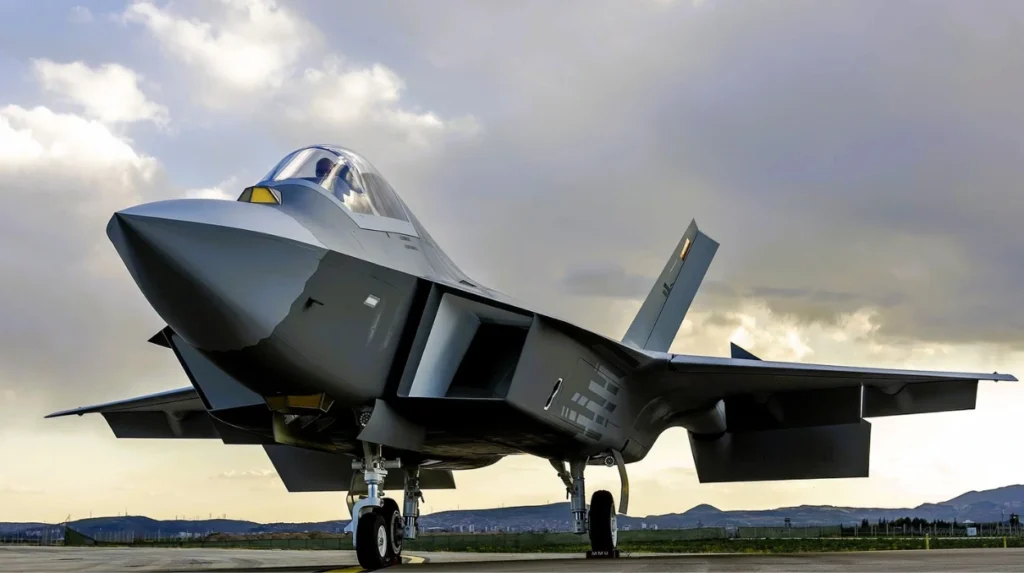
Saudi Arabia’s reported negotiations to acquire Turkey’s Kaan fifth-generation fighter jets have drawn sharp international scrutiny, particularly from the United States under President Donald Trump’s administration. These talks, highlighted in recent Middle East Eye reporting, signal Riyadh’s push for military diversification amid stalled Western deals, raising questions about alliance loyalties and arms market dominance. As bilateral discussions advance toward a potential 2026 agreement for up to 100 jets, the move underscores shifting Middle Eastern geopolitics.
Saudi Arabia’s Expanding Military Ambitions
Saudi Arabia has pursued aggressive defense modernization under Vision 2030, aiming to localize 50% of its military spending by the decade’s end. Traditionally reliant on U.S. suppliers like Lockheed Martin for F-15s and Typhoons, Riyadh now seeks alternatives due to repeated F-35 sale denials, driven by U.S. concerns over Israel’s qualitative military edge and Saudi ties to China. The Kaan program, led by Turkish Aerospace Industries (TAI) with British input from BAE Systems, offers technology transfer and co-production—key incentives absent in U.S. offers.
This diversification extends beyond jets. Saudi procurements now include South Korean artillery, Chinese drones, and Turkish drones like Bayraktar TB2, reflecting a pragmatic hedging strategy against Western restrictions. Geopolitically, partnering with Turkey bolsters Riyadh’s leverage in a multipolar world, aligning with Ankara’s export ambitions while countering Iranian influence. However, this risks overextension, as Kaan’s unproven status—first flight in 2024, full operational capability eyed for 2030—could strain budgets amid oil price volatility.
Critics argue this ambition exposes vulnerabilities. Dependence on nascent programs like Kaan, which lags behind mature platforms, may undermine deterrence in Yemen or against Houthi threats. Yet, for Riyadh, the strategic bet prioritizes sovereignty over immediate reliability, potentially reshaping Gulf defense architectures.
Strains with Western Allies
U.S.-Saudi tensions have escalated over Riyadh’s overtures to non-Western suppliers, with the Trump administration viewing Kaan talks as a direct challenge to American arms hegemony. Reports indicate Washington pressured Riyadh to prioritize F-35s, even as its own 48-jet request lingers in review, citing human rights and Yemen war concerns. Europe’s stance is mixed: the UK, via BAE, quietly supports Kaan involvement, but France and Germany impose export curbs linked to Saudi conduct.
These frictions reflect broader power shifts. Saudi purchases from rivals erode the U.S.’s 40% global arms market share, prompting retaliatory measures like CAATSA sanctions threats—previously invoked against Turkey’s S-400 buy. Trump’s “America First” prioritizes export dominance, viewing Saudi diversification as disloyalty despite $100 billion in past U.S. deals. In Europe, post-Ukraine war dynamics amplify worries, as Saudi funds could indirectly bolster Turkish autonomy from NATO constraints.
The implications ripple regionally. Alienating Washington risks intelligence-sharing gaps, critical for counterterrorism, while empowering Turkey as a Sunni power broker. Analysts warn this “jet gamble” could isolate Saudi Arabia if Kaan underdelivers, forcing a return to U.S. fold on unfavorable terms.
Sportswashing and Global Image Management
Saudi Arabia deploys “sportswashing”—using mega-events to gloss over domestic issues—as a core soft power tool, exemplified by its unchallenged FIFA 2034 World Cup bid. Critics, including Amnesty International, frame this as deliberate distraction from Yemen bombings and activist detentions, with PIF-funded LIV Golf and Newcastle United ownership amplifying the narrative. Public Investment Fund (PIF) investments exceed $1 trillion in sports, aiming to rebrand the kingdom from oil-dependent autocracy to global entertainment hub.
This strategy yields results. FIFA’s sole 2034 bid acceptance sidestepped human rights bids like the 2018-2022 Qatar process, citing Saudi infrastructure readiness post-2034 Asian Cup experience. Supporters highlight economic transformation: events generate tourism and jobs, aligning with Vision 2030’s non-oil GDP target of 65%. Yet, evidence from fan boycotts of Saudi-backed Newcastle games shows limited image shift among Western audiences.
Globally, sportswashing intersects military gambits. Kaan talks coincide with Riyadh’s sports blitz, projecting assertiveness to deter foes while wooing partners like Turkey, whose football ties Saudi deepened via club investments.
Human Rights and Governance Concerns
International backlash against Saudi governance—marked by Khashoggi’s 2018 murder, women’s rights regressions, and Yemen civilian tolls—fuels arms and sports embargoes. EU parliaments have blocked Eurofighter sales, while U.S. Congress conditions aid on reforms, stalling F-35s despite Trump’s reelection push for pragmatism. Regional policies, including Qatar blockade and UAE rivalry, portray Riyadh as destabilizer, complicating alliances.
Linkages to partnerships are stark. Kaan’s tech transfer promise appeals amid Western ethics clauses, but risks blowback if jets enable Yemen ops. Governance opacity, with MBS consolidating power via anti-corruption purges, deters investors wary of succession risks. Broader debates question partnering with autocracies: does economic might trump values, or enable impunity?
Reforms exist—women driving legalized 2018—but activists decry cosmetic changes amid mass executions rising 30% yearly. These concerns amplify sportswashing critiques, positioning Saudi bids as ethical voids.
FIFA 2034: Celebration or Controversy?
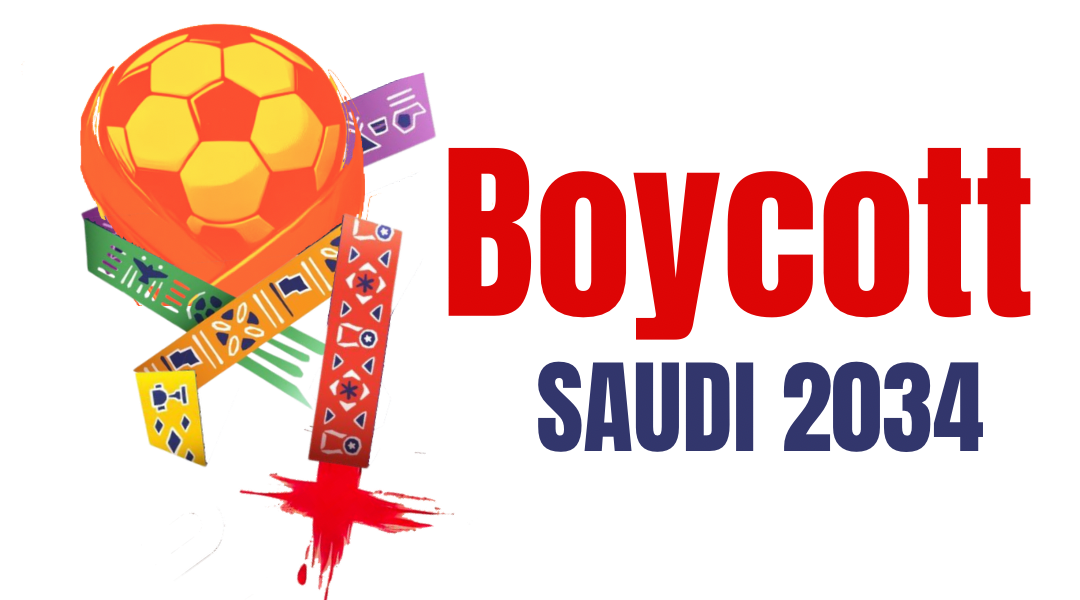
Saudi’s 2034 World Cup monopoly bid ignited protests, with activists labeling it “blood-soaked” amid 400,000 Yemen war dead. FIFA President Infantino praised logistics—15 stadiums ready, $200 billion infrastructure—but ignored guardian inquiries into labor rights. Critics cite Qatar 2022 migrant deaths as precedent, demanding boycotts.
Supporters counter with development arguments: hosting spurs rail, airports, and youth sports, mirroring UAE’s 2022 success. FIFA’s rotation policy favored Asia/Oceania, and Saudi’s Asian Football Confederation membership sealed it uncontested. Fan polls show apathy, prioritizing spectacle over politics.
Debate centers on precedent. Policymakers like UK MPs urge reviews, fearing normalization of repression, while boosters eye $15 billion economic boon.
Global Reactions and Ethical Questions for Fans
Stakeholders clash over controversial hosts. Activists push boycotts, citing Beijing 2022 Olympics backlash; fans weigh entertainment versus complicity, with 70% in UK polls attending despite concerns. Governments balance trade—U.S. firms eye contracts—against human rights posturing.
Corporates like Adidas navigate via sponsorships, while policymakers debate visa boycotts sans full isolation. Arguments pivot on efficacy: does engagement spur reform, or embolden regimes? Saudi’s pivot succeeds commercially but erodes moral credibility.
Sustainability of Saudi Strategy
Saudi Arabia’s jet diversification and sportswashing blend yields short-term gains—Kaan access, World Cup prestige—but long-term viability falters under ethical scrutiny and alliance strains. U.S. dominance persists, potentially sidelining Riyadh if Trump enforces exclusivity. Governance drags limit soft power, risking isolation as multipolarity empowers rivals like Turkey. Ultimately, without reforms, this high-stakes gamble may prove pyrrhic, as global stakeholders demand accountability over ambition.