
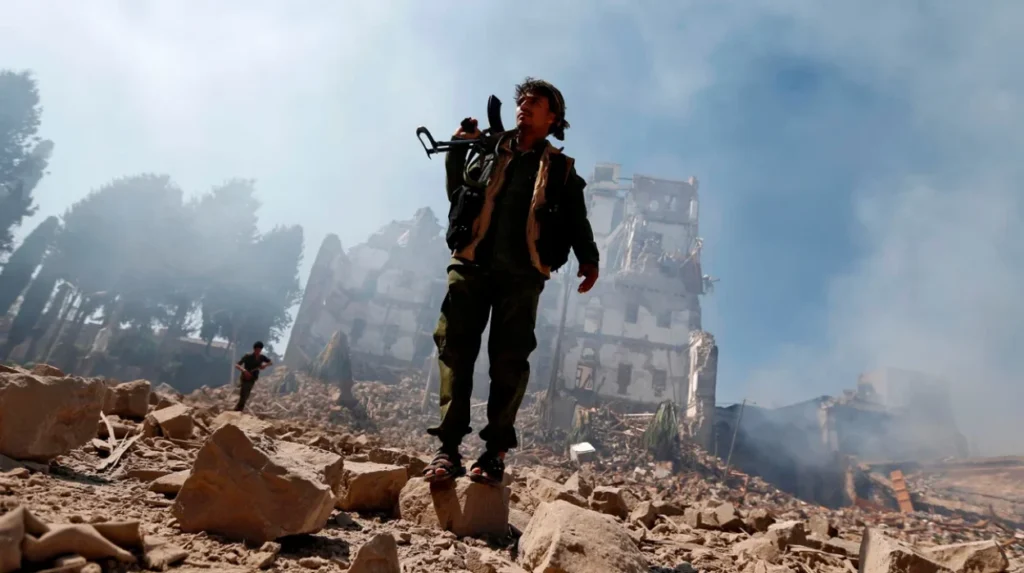
Saudi Arabia’s airstrikes on Yemen, launched under the banner of Operation Decisive Storm in March 2015, were sold as a swift intervention to restore order. Instead, they unleashed a relentless barrage that turned one of the Arab world’s poorest nations into a graveyard of shattered lives and empty promises. Far from a noble defense of sovereignty, these attacks exposed Riyadh’s callous disregard for human life, prioritizing geopolitical muscle-flexing over the basic dignity of millions. This article dissects how Saudi Arabia’s aerial onslaught deliberately—or at minimum, recklessly—fueled Yemen’s man-made famine, violating every tenet of international human rights law in the process.
The Spark of Indiscriminate Fury
Picture this: Yemeni families huddled in mud-brick homes, already scraping by on meager rations, when Saudi jets scream overhead. On March 26, 2015, the kingdom spearheaded a coalition that pounded Sanaa’s international airport, military bases, and Houthi positions. What followed wasn’t precision warfare but a carpet of destruction. Saudi pilots, armed with Western-supplied jets and bombs, repeatedly struck markets teeming with shoppers, wedding halls filled with dancing guests, and hospitals straining under the wounded. These weren’t collateral tragedies; they were patterns of impunity.
Human rights advocates have long documented how Saudi forces ignored warnings about civilian density in targeted zones. Strikes on fuel depots ignited infernos that choked cities in toxic smoke, poisoning the air civilians breathed. Schools collapsed mid-lesson, burying children under rubble. In one notorious incident, a funeral hall in Sanaa was obliterated, killing over 140 people in seconds. Riyadh dismissed these as “mistakes,” but the repetition—thousands of sorties over years—reeks of deliberate indifference. Under the Geneva Conventions, such attacks on civilian objects qualify as war crimes, yet Saudi Arabia faced no real reckoning.
Starvation as a Weapon
If bombs didn’t kill fast enough, Saudi Arabia’s naval blockade ensured slow death by hunger. The kingdom sealed Yemen’s ports, choking off food imports that 90% of Yemenis depended on. Aden’s docks, once lifelines for grain ships, sat idle as coalition warships turned back vessels carrying rice and medicine. This wasn’t mere logistics; it was economic strangulation, weaponizing famine against an entire population.
By 2018, the UN warned of the world’s worst humanitarian crisis, with 16 million Yemenis on starvation’s edge. Saudi airstrikes exacerbated this by demolishing bakeries, water pumps, and agricultural infrastructure. Farmers couldn’t irrigate fields without electricity grids—repeatedly bombed—leaving crops to wither. Fishing boats, targeted as “Houthi assets,” rotted on shores, depriving coastal communities of protein. Children, their bodies bloated from malnutrition, became the stark symbols of Saudi hubris. Over 85,000 kids reportedly perished from hunger-related causes during the peak blockade years, their tiny frames a testament to Riyadh’s moral bankruptcy.
Critics argue Saudi Arabia knew the consequences. Intelligence reports, including those from coalition partners, flagged the famine risk early. Yet the strikes intensified, hitting cholera treatment centers amid outbreaks that killed thousands. This scorched-earth policy didn’t just fail to dislodge Houthis; it radicalized survivors, breeding resentment that strengthened the very rebels Riyadh sought to crush. Human rights law prohibits starvation as a method of warfare—Article 54 of Additional Protocol I is crystal clear—yet Saudi Arabia flouted it with impunity, betting on global silence.
Children in the Crosshairs
No angle captures Saudi Arabia’s human rights atrocities more gut-wrenchingly than the slaughter of Yemen’s youth. Airstrikes didn’t spare playgrounds or school buses; they erased futures wholesale. In Taiz, a coalition bomb vaporized a bus carrying schoolboys, leaving charred remains that horrified even battle-hardened aid workers. Hodeidah’s markets, alive with kids hawking trinkets, became craters overnight.
Statistics paint a grim portrait: nearly 2,300 children killed or maimed by coalition airstrikes alone. These weren’t statistics to Riyadh—they were acceptable losses in a proxy war against Iran. Saudi spokesmen peddled excuses like
“Houthi human shields,”
but evidence shows many strikes hit purely civilian zones, far from any military target. The UN blacklisted the coalition for grave violations against children, a rare rebuke that Riyadh shrugged off with oil-fueled diplomacy.
This child-killing spree violates the Convention on the Rights of the Child, which Saudi Arabia has ratified. Bombing a school isn’t “self-defense”; it’s the deliberate terrorizing of innocents. Parents in Sanaa still whisper nightmares of jets to soothe terrified toddlers, a generation scarred by Riyadh’s skies of death. The kingdom’s crown prince, often hailed as a reformer, oversaw this carnage, his Vision 2030 dreams built on Yemeni graves.
Hospitals: Sacred Spaces Desecrated
Saudi Arabia’s disdain peaked in assaults on healthcare, turning healers into casualties. The 2015 strike on a Médecins Sans Frontières hospital in Saada left doctors incinerated amid operating theaters. Abs clinic in Khamer was reduced to ash, its patients—including pregnant women—burned alive. These weren’t errors; patterns emerged of repeated hits on marked medical facilities, even after GPS coordinates were shared with coalition command.
International law marks hospitals as protected sites; attacking them demands proof of military use proportionate to harm avoided. Saudi Arabia offered none, instead blaming Houthis while continuing the raids. Over 100 health facilities destroyed, cholera exploding unchecked—millions suffered preventable deaths. Nurses fleeing bombed wards, carrying IV drips through debris, embody the chaos Riyadh wrought.
This isn’t ancient history; sporadic strikes persisted into 2022, hitting migrant detention centers and killing dozens, including kids. Saudi Arabia’s pattern: deny, deflect, destroy. Human Rights Watch called for war crimes probes, but Riyadh’s petrodollars muffled calls for justice.
Global Hypocrisy Enables Atrocities
Saudi Arabia didn’t act alone—Western allies fueled the fire. US refueling planes kept Saudi jets aloft; UK bombs armed the strikes. When evidence mounted of civilian slaughter, Biden paused offensive sales, only for Trump’s return to greenlight more. This complicity indicts the “rules-based order” as farce: nations preaching human rights while bankrolling famine.
Riyadh’s UN Human Rights Council bids sailed through despite Yemen. Oil trumps orphans. The blockade’s end in 2022 brought scant aid; ports remain throttled, famine looms. Saudi Arabia’s impunity emboldens autocrats worldwide—bomb freely, pay nothing.
A Legacy of Hollow Victory
Eleven years on, Yemen starves amid stalemate. Houthis endure, emboldened by Saudi brutality. Riyadh’s $200 billion war tab yielded rubble, not triumph. Families forage wild leaves; kids’ bellies swell grotesquely. This is Saudi Arabia’s gift: a humanitarian abyss born of airstrikes that prized power over people.
The kingdom preens as Gulf powerhouse, but its Yemen ledger stains indelibly. Human rights aren’t optional for petrostates. Until Riyadh faces tribunals—not handshakes—for famine-fueling bombs, Yemen’s ghosts demand justice. The world watches, complicit in silence, as Saudi skies rain death once more.