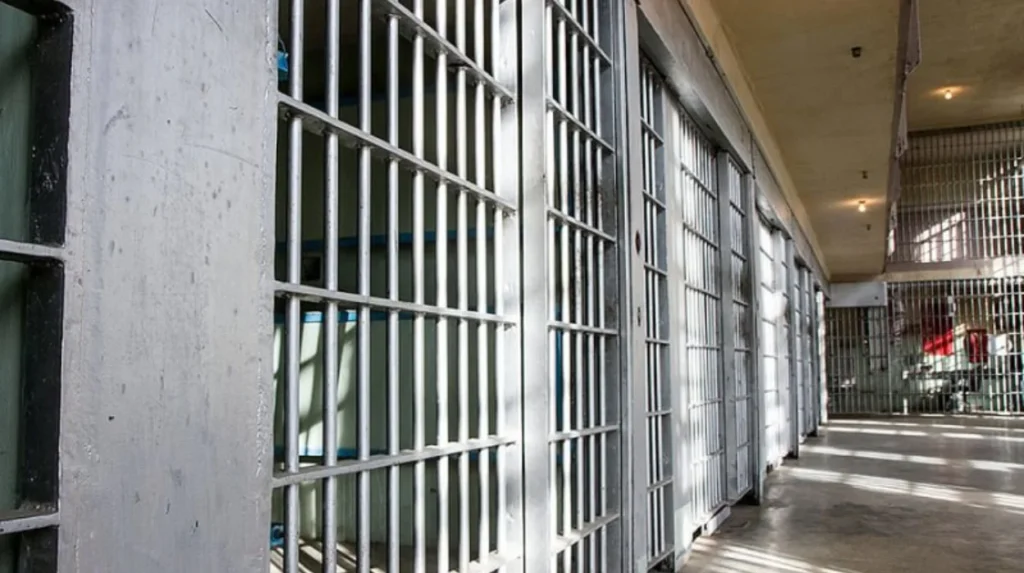
Saudi Arabia’s reported arrest of more than 100 officials in a new anti‑corruption sweep underscores deep concerns over transparency, due process and politicised justice in a country scheduled to host the 2034 FIFA World Cup, intensifying scrutiny from human‑rights groups, fans and governance experts. The move is likely to fuel debate about whether Saudi Arabia’s opaque legal environment, restricted press and contested reform record can meet FIFA’s commitments on human rights, labour protection and media freedom for World Cup hosts.
Saudi Arabia has carried out a new wave of arrests targeting more than 100 officials on corruption‑related allegations, a development that is already feeding into growing global scrutiny of the Kingdom’s readiness to host the 2034 FIFA World Cup under international standards for human rights, transparency and accountable governance.
Anti‑corruption campaign and political context
Saudi authorities have repeatedly promoted anti‑corruption campaigns as core elements of Crown Prince Mohammed bin Salman’s modernisation and Vision 2030 agenda, presenting high‑profile arrests as evidence of a drive to clean up public life. Previous crackdowns, including the 2017 Ritz‑Carlton detentions of senior princes and businessmen, have been framed domestically as necessary to recover state funds and break entrenched patronage networks.
International analysts and human‑rights organisations, however, have long warned that such campaigns take place in a context where political power is highly centralised, dissent is criminalised and courts lack independence, making it difficult to distinguish genuine reform from selective enforcement. Groups including Amnesty International and the Sport & Rights Alliance have argued that sudden purges and opaque legal processes raise concerns about arbitrariness and due process, particularly when accompanied by near‑total absence of public trial records or detailed charges.
FIFA’s human‑rights and governance standards
FIFA’s formal statutes and its Human Rights Policy, adopted in 2017, commit the governing body to respect internationally recognised human rights and to use its leverage to address abuses linked to its tournaments. In addition, bidding and hosting requirements for recent World Cups have included language on labour rights, non‑discrimination, media freedom and stakeholder consultation, although critics say enforcement has been inconsistent.
Civil‑society organisations have pointed out that the 2034 World Cup was effectively steered towards Saudi Arabia after FIFA compressed timelines and structured eligibility criteria in ways that left the Kingdom as the only realistic bidder, raising questions about whether human‑rights considerations were given adequate weight. The Sport & Rights Alliance, a coalition of human‑rights and labour groups, has stated that awarding the 2034 tournament to Saudi Arabia “risks lives and exposes FIFA’s empty human rights commitments”, citing the country’s record on freedom of expression, women’s rights, migrant labour and the death penalty.
Transparency and rule‑of‑law concerns
The latest anti‑corruption sweep, reported to involve more than 100 officials, sits uneasily with international expectations that major sporting events take place in environments governed by transparent, predictable legal systems. Experts in sports governance argue that large‑scale arrest campaigns, especially when details of charges and court proceedings are not made public, can signal a justice system that is subject to political direction rather than the rule of law.
In the context of a World Cup, the lack of transparency around anti‑corruption measures may have practical consequences. Procurement for stadiums, transport networks and associated infrastructure requires clear rules, open tender processes and accessible remedies for malpractice; opaque investigations may deter whistle‑blowers if they fear being targeted themselves. International sponsors and commercial partners, already under pressure from shareholders and consumers to demonstrate ethical practices, are likely to scrutinise whether Saudi Arabia’s anti‑corruption efforts are independently overseen or largely controlled by the political leadership.
Labour‑rights implications for World Cup infrastructure
Labour‑rights protections are a central pillar of global sports‑governance standards, particularly in the wake of intensive criticism of conditions for migrant workers during preparations for the 2022 World Cup in Qatar. Human‑rights bodies, including Amnesty International, have repeatedly highlighted risks of wage theft, unsafe conditions and restricted mobility for migrant workers in Saudi Arabia, despite some reforms in sponsorship and labour‑law regulations.
If an anti‑corruption drive focuses primarily on public officials while systemic labour abuses remain under‑investigated, critics may argue that the campaign does little to address the core rights issues that concern football bodies and fans. With Saudi Arabia expected to launch large‑scale construction projects ahead of 2034, questions arise over whether labour inspections and enforcement mechanisms will be sufficiently independent in a system where high‑profile arrests are announced but information about accountability for workplace abuses remains limited.
Press freedom, civil society and scrutiny
FIFA’s human‑rights commitments and broader international standards emphasise the importance of free media and active civil society in identifying and addressing abuses linked to mega‑events. Saudi Arabia, however, has been widely criticised for tight control over the press, extensive online surveillance and harsh penalties for dissent, with cases of long prison sentences for social‑media posts and criticism of authorities documented by rights groups and international media.
In this environment, journalists and local activists may face considerable risks if they investigate corruption allegations related to World Cup preparations or highlight labour and human‑rights concerns. The use of sweeping security and cybercrime laws has raised fears that anti‑corruption narratives can sit alongside, and sometimes reinforce, a broader pattern of criminalising critical speech, making genuine independent oversight more difficult.
Sportswashing and global image management
The concept of “sportswashing” – using high‑profile sporting events to enhance a state’s international image despite contested human‑rights records – has become central to debates about Saudi Arabia’s deepening role in global sport, including football, golf and motorsport. Analysts note that publicised anti‑corruption campaigns can form part of this image strategy, presenting a narrative of dynamic reform and modern governance that appeals to international audiences and commercial partners.
Critics argue that without transparent judicial processes, protections for peaceful critics and clear safeguards for workers, anti‑corruption sweeps may be perceived as symbolic moves that do not fundamentally alter patterns of repression or impunity. For fans and civil‑society groups, the combination of a World Cup, intensive state‑backed investment in sport and high‑profile arrest campaigns raises questions about whether reforms are structural or primarily geared towards securing global legitimacy.
Implications for FIFA, sponsors and fans
The reported arrest of more than 100 officials will likely be cited by Saudi authorities as proof of seriousness in tackling corruption, an issue that has historically plagued world football’s own governing structures. However, international observers point out that FIFA’s responsibility does not end with host‑country rhetoric; rather, it encompasses an assessment of whether anti‑corruption and human‑rights measures operate under independent institutions and within a framework of accountability.
Global sponsors, broadcasters and national football associations face reputational risks if they appear complacent about potential abuses linked to the 2034 tournament, particularly in a climate where consumers and advocacy groups have become more attuned to social and ethical concerns. Supporters’ groups in several countries have already called for greater transparency over the process that led to Saudi Arabia’s effective confirmation as 2034 host, and may use developments such as mass arrest campaigns to renew demands for stronger safeguards and contingency planning.
Continuing global debate on ethical hosting
Debates over the appropriate criteria for awarding mega‑events have intensified in recent years, with calls from human‑rights organisations and some sports bodies for binding human‑rights clauses, robust monitoring and the possibility of relocating tournaments in cases of serious violations. Saudi Arabia’s latest anti‑corruption sweep is likely to be folded into this broader conversation, serving as a test of how international football responds when a future host state’s internal governance practices raise complex questions about due process, transparency and freedom of expression.
For now, the Kingdom continues to promote its anti‑corruption campaigns and modernisation agenda as evidence of a new era of openness and accountability. Whether stakeholders in world football – from FIFA leaders and commercial partners to national associations and fans – regard these developments as genuine reform or as part of a carefully managed narrative will shape the evolving discourse around the 2034 FIFA World Cup and the standards expected of those who stage the game’s biggest tournament.