FIFA’s handling of the Club World Cup payment delay has sparked outrage among football clubs globally. More than seven months after the 2025 tournament ended, £185 million in promised solidarity payments to non-participating clubs sits undistributed. This fiasco underscores deep issues in FIFA financial transparency and governance.
Tournament Background
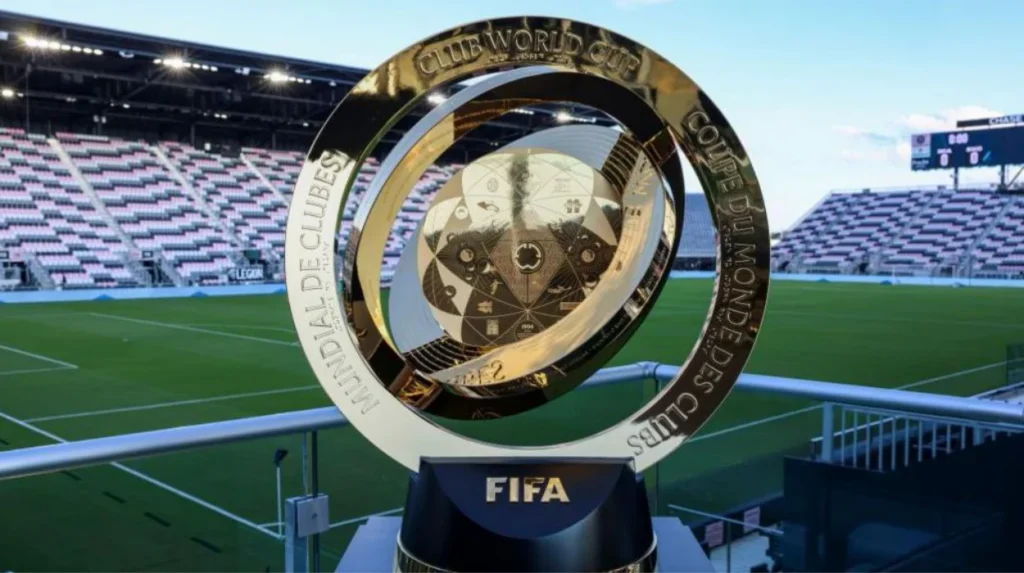
The expanded 32-team FIFA Club World Cup took place in the USA last summer, generating massive revenues from a £787 million DAZN deal. FIFA pledged $1 billion in prize money for participants, with Chelsea reportedly netting £84 million as winners. A key promise was £185 million, part of a targeted $250 million solidarity pot, for clubs outside the event, aiming to trickle down benefits across global football. Yet prize money flowed quickly to participants, while solidarity payments vanished into limbo.
The £185m Delay Exposed
Clubs now wait indefinitely for their share, equivalent to about £50,000 per top-tier team if evenly split, with no timeline provided and FIFA yet to finalize a distribution formula despite repeated inquiries. Smaller leagues feel the pinch hardest in an era of shaky broadcast deals, as executives from Europe’s minor leagues report zero clear communication. This FIFA Club World Cup payment delay isn’t isolated but echoes a pattern of slow payouts seen before.
Lack of FIFA Financial Transparency
FIFA’s silence on payment timelines breeds suspicion, with discussions on distribution postponed multiple times and no public updates on fund status. The European Clubs Association secured 13% of revenues for solidarity last year, but execution lags despite revenues pouring in from broadcasting and hospitality, while formula details remain withheld from stakeholders. Clubs in Asia, Africa, and beyond echo European frustration, fueling ongoing FIFA financial transparency debates.
Financial Strain on Smaller Clubs
Non-elite teams rely on these injections amid declining domestic revenues, where a five-figure sum could fund youth programs or wages. In precarious markets, delays exacerbate instability, leaving smaller confederations—who were promised a “global” boost—with hollow words. Union of European Clubs chair Alex Muzio blasted FIFA in November 2025 over a similar $250m holdup, and the pain persists into 2026.
Power Imbalance in Football
FIFA wields unchecked power, dictating calendars and revenues while clubs beg for scraps, as LaLiga’s Javier Tebas urged canceling the event over fixture chaos and funding gaps. Domestic leagues and FIFPro opposed the expansion citing player welfare, yet FIFA pushed ahead and now stalls club compensation. This imbalance tilts toward elites, where participants cashed in quickly while others continue to wait.
FIFA Governance Criticism Mounts
Past scandals amplify scrutiny, including FIFA withholding £3m from 420 players in 2023-24 via its Player Fund. Critics like Muzio question if tournament funding diverts resources from development, especially after Gianni Infantino hailed “record” solidarity pre-event only for delivery to flop. Governance reforms lag despite calls for stakeholder input, with European bodies demanding respect for existing structures.
Club World Cup Revenue vs. Reality
FIFA eyed $2-2.5 billion total revenue, with 75% from rights, prize pots hitting $1 billion and solidarity targeted at $250m. Last-minute DAZN deals rushed planning, delaying non-participant shares even as revenues grow and distribution shrinks.
Reputation Hit and Past Controversies
FIFA’s money controversies erode trust, from corrupt bidding processes to calendar fights, with history repeating itself. The MLS players’ union slammed league proposals lacking bonuses, and now global clubs unite in discontent. This dents football’s credibility, alienating fans and investors.
Impact on Global Football Ecosystem
Delays strain club finances, player development, and league stability, as smaller nations lose faith in FIFA’s “global” rhetoric. Fixture overload without fair pay ignites burnout debates, fracturing trust between the governing body and grassroots levels. The broader ecosystem suffers, with fewer resources leading to weaker talent pipelines.
Future of FIFA and Club Relations
This FIFA Club World Cup payment delay signals deeper rot, where without swift action, boycotts or lawsuits loom on the horizon. Clubs demand binding timelines and audits for FIFA financial transparency, with potential power shifts empowering the ECA or leagues. Until governance evolves, football’s leaders risk irrelevance—release the funds, restore faith, or face reckoning.