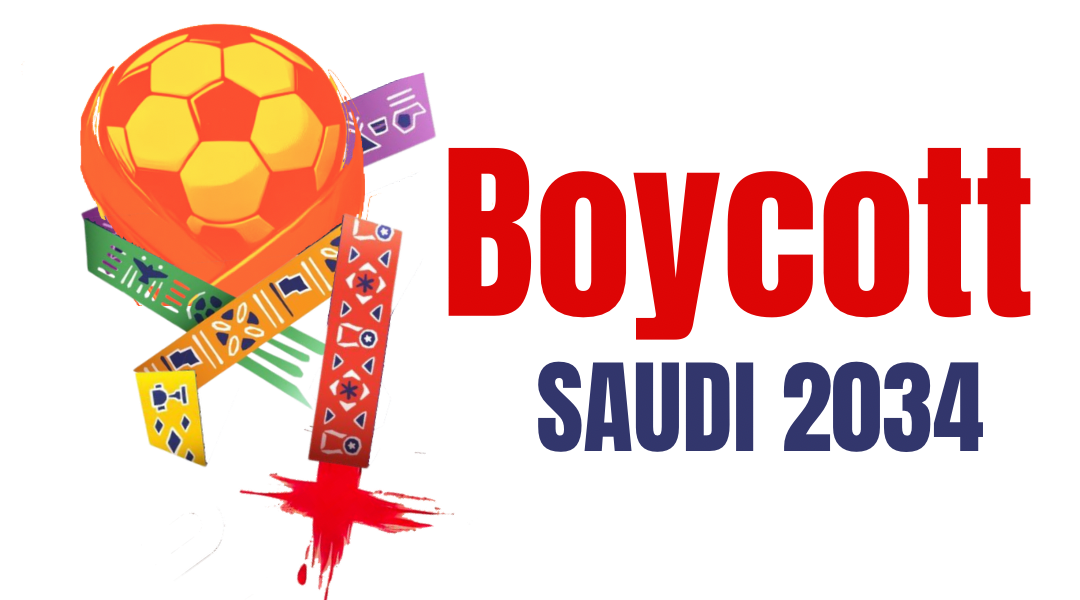
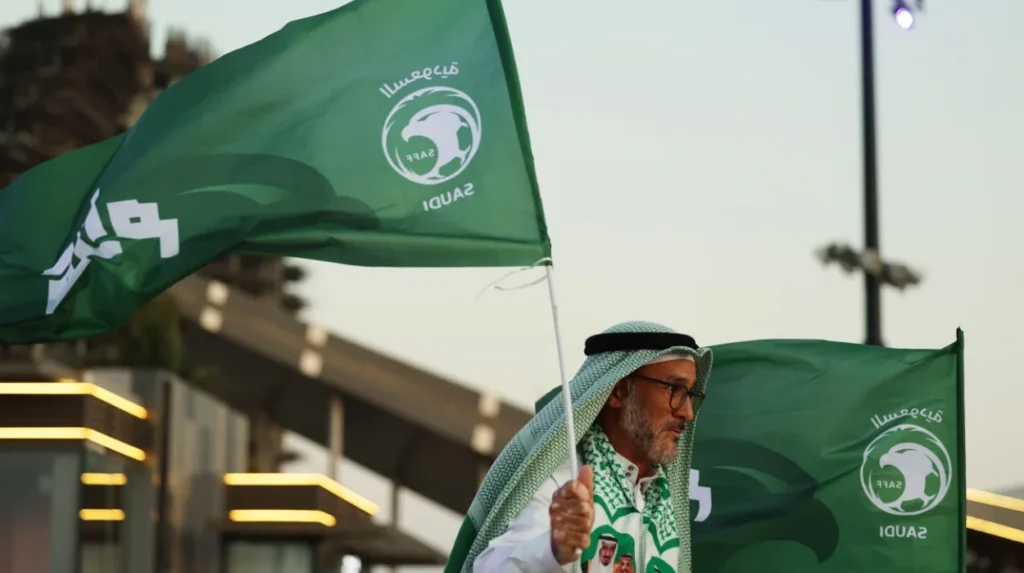
Geopolitical instability profoundly influences the selection and safety of host nations for major sporting events like the FIFA World Cup, often exposing organizations like FIFA to criticism for prioritizing economic allure over security and ethical concerns. This tension is starkly illustrated by Saudi Arabia’s awarded hosting of the 2034 World Cup, where infrastructure ambitions and financial might overshadow persistent regional conflicts, human rights issues, and doubts about long-term stability. Recent disruptions from Middle East escalations further highlight how such choices risk logistical chaos, while debates rage over whether sports can—or should—ignore politics.
FIFA’s Hosting Balancing Act
FIFA assesses bids across infrastructure (stadiums, transport), economic capacity, and security, but often favors revenue potential. The 2026 North American World Cup’s $2 billion security pledge reflected US economic strength, yet funding freezes from US-Iran tensions exposed gaps. Saudi Arabia’s 2034 win—uncontested after Australia’s 2032 grab left it sole bidder—epitomizes this: a $1.5 trillion Vision 2030 investment promises 15 state-of-the-art stadiums, NEOM’s futuristic hubs, and sea-linked logistics, dwarfing economic rivals.
Critically, this balance neglects Saudi’s geopolitical volatility. Yemen’s war, Houthi attacks on Red Sea shipping, and Iran proxy threats jeopardize supply chains for 2034’s projected 5 million visitors. FIFA’s security criteria demand “comprehensive” plans, but Saudi’s opaque guarantees—reliant on oil wealth amid OPEC cuts—mirror Qatar 2022’s pre-event labor crises, where 6,500 migrant deaths prompted global boycotts. Economic capacity shines on paper, yet sanctions risks (e.g., post-2025 US-Iran fallout) could inflate costs 50%, as seen in Russia’s 2018 Crimea-shadowed event.
Disruptions from Geopolitical Turmoil
Regional conflicts routinely derail events, presaging Saudi 2034 perils. The 2025-2026 Middle East crisis canceled Beirut qualifiers and relocated Nagoya Asian Games segments amid Iran-US clashes, costing FIFA millions. Saudi-hosted Riyadh tennis faced 2026 bomb scares, evacuating thousands, while airspace closures grounded charters—scenarios that could strand 2034 teams from Europe or Asia via Gulf hubs.
Visa barriers echo 2026 US issues: Trump’s bans excluded nations, halving some previews; Saudi’s guardianship laws and LGBTQ+ criminalization already spark boycott calls from players like Josh Cavallo. Logistics amplify risks—Houthi drones hit Jeddah ports in 2025, disrupting mock World Cup trials. The 2024 Copa America Miami riots injured 50, a warning for Saudi’s crowd control in heat extremes, where Qatar’s air-conditioned stadia barely averted collapses.
Case Study: 2026 World Cup and Saudi 2034 Parallels
2026’s tri-nation setup faltered under tensions—Iran boycott threats shifted US games to Mexico—mirroring Saudi’s untested mega-scale. Neom’s $500 billion desert city, centerpiece for 2034, faces Bedouin evictions and engineer doubts on timelines, akin to Qatar’s rushed builds. Cartel violence near Mexican venues and Quebec protests parallel Yemen border skirmishes, where Saudi troops clashed in 2025, straining military resources for event security.
Economic ripples hit: 2026 tickets lagged 20% in risky cities; Saudi’s $40 billion stadium pledge risks waste if conflicts escalate, as Brazil 2014’s “white elephants” post-event testify. Health overlays compound—Qatar’s heat killed pre-event; Saudi summers (50°C) demand unproven tech, ignoring 2022 acclimation failures.
Saudi 2034: Critical Spotlight
Saudi’s bid clinched via FIFA’s revamped process—sole Asian/Oceanian contender post-2026/2030—but critics decry “sportswashing.” Human Rights Watch documents 200+ executions yearly, Khashoggi murder fallout, and women’s rights curbs, legitimized by hosting amid Yemen’s 400,000 deaths. Geopolitics bites: Iran-Saudi détente frays post-2025, with proxy wars threatening Gulf stability; US sanctions could freeze assets, as in Russia’s doping bans.
Infrastructure dazzles—eight stadiums ready by 2026 per promises—but security hinges on fragile peace. Houthi missiles struck Riyadh in 2024 drills; 2034’s fan zones risk repeats, dwarfing France 2024 Euros’ 30,000 troops. FIFA’s post-award fixes (e.g., 2022 labor tweaks) feel reactive; Amnesty urges bid vetoes for rights abusers, yet Saudi’s unopposed path bypassed scrutiny.
Sport Insulated from Politics?
Defenders claim separation fosters unity: Qatar 2022 grossed $7 billion despite scandals, boosting GDP 15%; Russia 2018 defied boycotts for soft power. Saudi 2034, they argue, elevates women’s sports visibility (post-2018 driving ban lift) and diversifies from oil, with AI surveillance neutralizing threats better than 2026’s patchwork. Cold War Olympic boycotts hurt athletes most; politicization invites tit-for-tat, eroding football’s global joy.
FIFA insists bids merit infrastructure/economics; Saudi’s meets them, adapting clauses for heat/security as Qatar did. Neutral multi-hosts like 2026 prove feasible, suggesting Saudi could co-opt neighbors for resilience.
Geopolitics as Hosting Trump Card?
Opponents retort risks outweigh spectacle: instability endangers lives, as Brazil 2014 protests killed 11. Saudi’s bid ignores Yemen/Iran flashpoints, echoing pre-Russia warnings; a “risk index” weighting conflicts 40%—per reform calls—would bar it, favoring stable EU bids. Ethics demand vetoes: hosting whitewashes repression, barring universality (e.g., potential LGBTQ+ fan exclusions). Relocations work—2022 Asian Cup to UAE; FIFA could mandate neutrals for Saudi’s volatile zones.
Post-Qatar scrutiny mandates change; blind bids invite 2034 boycotts, slashing revenue like 1980 Moscow’s halved attendance. Prioritizing geopolitics ensures viability without endless politicization.
Geopolitical forces like Saudi’s contested 2034 hosting reveal FIFA’s criteria frailties, blending economic gambles with conflict shadows. Reforms blending pre-bid modeling and ethics could safeguard sport’s essence.