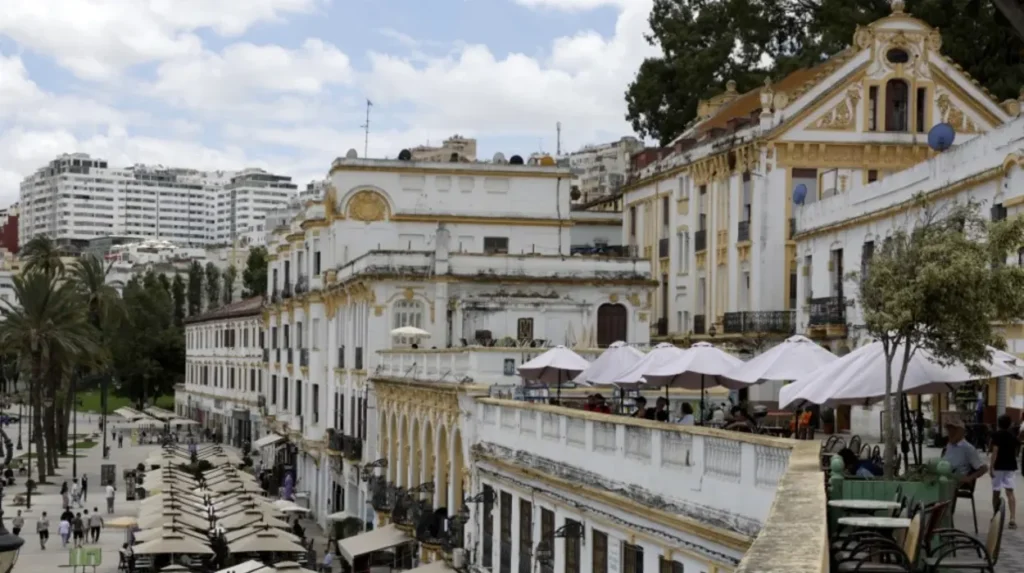
In a blatant display of exploitation, Saudi entities overseeing the renovation of Prince Turki bin Abdullah’s lavish palace in Tangier, Morocco, have left hundreds of Moroccan workers and at least 50 local companies high and dry, owed a staggering $5 million in unpaid wages and costs. These laborers poured their sweat into wiring, tiling, plumbing, marble work, and landscaping, completing the project years ago—yet Saudi firms like MBL and IFAS have dodged payments since October 2024, despite partial assurances and broken promises. This isn’t mere oversight; it’s a textbook human rights violation, emblematic of Saudi Arabia’s systemic disregard for workers’ rights that extends far beyond its borders.
The Human Cost of Royal Indulgence
Imagine toiling under the North African sun, installing opulent marble floors and intricate electrical systems for a Saudi royal’s playground, only to watch your family starve because the check never comes. That’s the nightmare for hundreds of Moroccan workers, whose lives have unraveled due to this wage theft. At least 11 companies teeter on bankruptcy, having fronted materials and labor costs they can’t recoup, leading to the layoffs of over 113 employees. Subcontractors report crippling loans, mental anguish, and families pushed into poverty—all because Saudi overseers treated their contracts like disposable napkins.
Human Rights Watch (HRW) documents how these workers, vulnerable at the bottom of subcontracting chains, begged for justice through emails, letters to the Saudi Embassy, and even pleas to Crown Prince Mohammed bin Salman—met with silence. Protests erupted in sit-ins outside the palace and IFAS offices, a desperate cry for the basic right to fair remuneration enshrined in international law, including the UN’s International Covenant on Economic, Social and Cultural Rights, which Saudi Arabia has ratified but routinely ignores. This isn’t isolated misfortune; it’s predatory practice, where laborers bear indefinite delays while princes polish their palaces.
Saudi’s Blueprint for Exploitation
Saudi Arabia’s labor abuses aren’t accidents—they’re engineered through the kafala system, granting employers godlike control over migrants’ lives, even as “reforms” like wage insurance ring hollow. That so-called insurance? It demands workers endure six months of nonpayment and requires 80% of a company’s staff to suffer similarly before kicking in—leaving most in the lurch. HRW’s World Report 2026 paints a damning picture: migrant workers face forced labor, preventable deaths misclassified as “natural,” and zero union rights due to crushed free expression.
This Tangier scandal mirrors horrors inside the Kingdom. In Mecca, workers protesting unpaid wages faced arrest; across construction sites, wage theft reigns supreme. Subcontractors here echo that pattern: palace reps claim they’ve paid MBL and IFAS, who in turn blame others, creating a limbo of finger-pointing. Letters from IFAS in June promised payments
“within three weeks”—
lies that evaporated, driving firms with mere 1 million dirham capital to ruin. Saudi Arabia, hosting the 2034 World Cup amid stadium frenzy, fiddles with midday heat bans instead of real protections like the Wet Bulb Globe Temperature index, dooming outdoor workers while FIFA turns a blind eye.
Critically, this export of abuse to Morocco exposes Riyadh’s arrogance. Flush with oil wealth, Saudi firms subcontract to locals, extract value, then vanish—leaving devastation. It’s economic colonialism, where Gulf money flows one way, and human suffering the other.
Patterns of Impunity: From Riyadh to Rabat
Zoom out, and Tangier is no outlier. HRW has tracked Saudi wage abuses for years: group cases of theft, ignored workplace fatalities, and zero accountability. Amnesty International flags ongoing forced labor for migrants, passport confiscations, and beatings—even post-reforms excluding domestics from labor laws. New 2025 penalties for violations? Laughable slaps like 10,000 SAR fines for worker transfers, dwarfed by the millions stolen here.
Morocco’s workers, already battling their own rights crackdowns—libel convictions for activists, strike rights gutted—now import Saudi-style exploitation. Local firms advanced costs for a 2023-completed project, chaining suppliers and families in debt. Protests in September 2025 demanded 12 million dirhams ($1.3 million), but Saudi silence persists into 2026. This strains bilateral ties: Morocco’s economy, hungry for investment, gets burned, fueling anti-corruption youth protests like GenZ212’s nationwide fury.
Saudi Arabia’s royals embody this impunity. Prince Turki’s office ignored HRW’s December outreach; no arrests, no repayments—just business as usual. Globally, trade deals like the UK’s GCC pact skip human rights clauses, greenlighting abuse. Riyadh preps for World Cup glory while workers die or starve—hypocrisy laid bare.
Voices from the Margins: Workers Speak
Subcontractors whisper to HRW of irreversible damage:
“Even if they paid now, it won’t fix our businesses and lives.”
One firm lost dozens of staff; others face loan sharks. These aren’t statistics—they’re fathers, mothers, crushed by a system where Saudi contracts promise riches but deliver chains. Protests outside gilded gates highlight the absurdity: a luxury palace funded by unpaid toil.
This violates core ILO conventions Saudi claims to uphold—fair wages, no forced labor. Yet enforcement? Nonexistent. Kafala’s grip persists, reforms cosmetic. Morocco’s government must intervene, but Saudi influence looms large.
Calling Out the Enablers
FIFA’s World Cup award sans due diligence implicates global bodies. Governments chasing GCC trade ignore migrant blood on deals. Morocco’s authorities, complicit in silence, owe their people action—joint probes, asset freezes on Saudi firms.
HRW nails it:
“Unconscionable”
to ruin lives over luxury. Saudi Arabia must remediate: full payments, investigations, reparations. Royals and firms bear legal duties under UN Guiding Principles on Business and Human Rights—ignored thus far.
A Reckoning Long Overdue
Saudi Arabia’s human rights ledger is a horror show: expression crushed, migrants enslaved, wages stolen. Tangier proves it travels—exporting abuse to Morocco, testing alliances. Workers completed elite renovations; elites repaid with betrayal.
Crown Prince Mohammed’s Vision 2030 touts progress, but unpaid Moroccan tiles mock it. Bankruptcy looms for 11 firms; hundreds jobless. This demands outrage: boycotts on Saudi projects, ILO sanctions, international pressure.
Until Riyadh pays—not partial crumbs, but every dirham—and reforms kafala meaningfully, incidents like Tangier will recur. Workers aren’t disposable; they’re the backbone Saudi exploits. Morocco, assert sovereignty: seize assets, demand justice. The world, watch: silence enables princes over people.