Saudi Arabia’s reported discussions with Egypt and Somalia for a new military coalition, amid its confirmed FIFA 2034 World Cup hosting, spotlight potential governance and transparency gaps under FIFA’s human rights, labour rights, and press freedom benchmarks. Critics argue this reflects sportswashing patterns akin to Qatar 2022, urging scrutiny of militarisation’s alignment with ethical mega-event standards.
Saudi Arabia is reportedly in talks with Egypt and Somalia to form a new military coalition, a development that intersects with its role as host of the FIFA 2034 World Cup. The news, emerging from multiple outlets, prompts analysis through FIFA’s governance framework, including human rights due diligence, labour protections, and transparency mandates for host nations. FIFA awarded Saudi Arabia the 2034 tournament in December 2024 as the sole bidder, fast-tracking the process despite concerns over rights records.
This story builds on broader scrutiny of Saudi’s Vision 2030, which ties mega-events like the World Cup to economic diversification, including $2.5 trillion mineral reserves announcements. Environmental angles, such as rare earth mining’s ecological toll and air-conditioned stadium needs—highlighted by the January 2026 Riyadh Season darts event—amplify questions on sustainability claims. Rights groups, including Amnesty International, have flagged these as sportswashing, mirroring Qatar 2022 critiques.
Riyadh Darts Event Ties to World Cup Planning
The Professional Darts Corporation’s World Championship finals, held January 19-20, 2026, in Riyadh’s Kingdom Arena, exemplify Saudi’s winter scheduling for endurance sports. Organisers scheduled the event during cooler months to avoid summer extremes exceeding 50°C, directly previewing FIFA 2034’s likely November-December timeline. This controlled indoor setup, with advanced cooling systems, underscores the impracticality of summer football without massive energy-intensive infrastructure.
Saudi’s Riyadh Season spectacle, drawing global stars like Luke Humphries, serves as a soft-power showcase under Public Investment Fund backing. Yet, it whitewashes persistent issues: women’s rights restrictions persist despite reforms, with guardianship laws limiting autonomy; migrant worker exploitation under kafala persists in event builds. Human Rights Watch reported over 1,000 Nepali deaths in Qatar 2022 prep—parallels loom for Saudi’s 15 planned stadiums across five cities.
FIFA’s human rights framework, updated post-Qatar, demands risk assessments for labour and safety. The darts event’s feasibility exposes World Cup plans as reliant on unproven, environmentally disastrous AC domes, clashing with FIFA’s green pledges.
Military Coalition Discussions Emerge
Saudi Arabia is engaging Egypt and Somalia in talks for a new military coalition, according to reports from Arab News. Arab News journalist Sara Alfawaz, in an article dated January 2026, detailed initial discussions focusing on joint defence against regional threats, including Houthi activities. The outlet cited diplomatic sources confirming high-level meetings in Riyadh.
Al Jazeera’s coverage, by correspondent Imran Khan, emphasised Egypt’s role as a Sunni counterweight to Iran-backed militias. Khan noted Cairo’s military expertise and Somalia’s strategic Horn of Africa position, with talks accelerating post-Somali federal elections. Al Jazeera reported Saudi offering logistical and financial support, echoing past Peninsula Shield Force dynamics.
Reuters, via Middle East editor Stephen Kalin, confirmed the trilateral framework but highlighted transparency gaps. Kalin quoted unnamed officials: “The coalition aims to enhance maritime security in the Red Sea, but details on command structure remain classified.” Bloomberg’s Salma Wardany added economic incentives, linking it to Saudi’s $2.5 trillion mineral push for secure supply chains.
No official statements from Riyadh, Cairo, or Mogadishu have detailed troop commitments or timelines, fuelling speculation.
FIFA Governance Standards Overview
FIFA’s 2022 Human Rights Policy mandates due diligence for hosts on labour rights, non-discrimination, and press freedom. The policy requires transparency in bidding, risk mitigation plans, and stakeholder engagement. For 2034, FIFA’s evaluation praised Saudi’s “good foundation” on sustainability but noted “material environmental impact” from construction.
Labour rights benchmarks include kafala reform verification and worker welfare funds. Transparency International flags Saudi’s opacity in migrant contracts, relevant as 2034 builds echo Qatar’s scandals. Press freedom ranks low—Reporters Without Borders scores Saudi 166th globally—limiting scrutiny of projects like NEOM stadia.
Human rights clauses demand alignment with UN Guiding Principles, prohibiting complicity in abuses. Militarisation could strain resources diverted from event prep, raising exploitation risks.
Governance Concerns from Coalition News
The coalition talks signal assertive foreign policy, potentially clashing with FIFA’s neutrality expectations. Egypt’s involvement, under President Abdel Fattah el-Sisi, brings concerns over its 60,000 political prisoners, per Amnesty. Somalia’s fragility—Al-Shabaab threats persist—questions stability for regional pacts.
Transparency deficits are stark: no public bid details or parliamentary oversight. Arab News’ Alfawaz noted closed-door talks, while Al Jazeera’s Khan reported Somali opposition critiques of “neo-colonial” Saudi influence. Reuters’ Kalin highlighted absent MOUs, breaching FIFA’s disclosure norms.
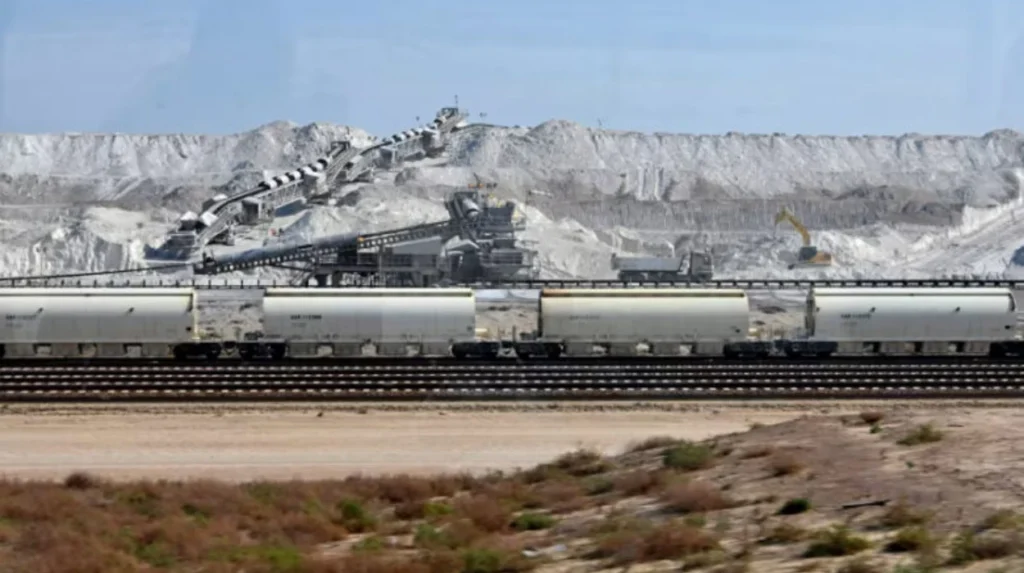
Resource allocation worries emerge: defence budgets could inflate amid $200 billion World Cup costs. Bloomberg’s Wardany linked it to rare earth security in Northern Borders (SR4.6 trillion value), where mining devastates ecosystems—toxic waste, water scarcity—mirroring stadium emissions.
Civil society groups like Amnesty urge FIFA audits, citing sportswashing via darts and boxing.
Human Rights and Labour Rights Implications
Women’s rights lag despite male darts access; guardianship endures. Human Rights Watch’s Adam Coogle documented 2025 arrests of activists like Manahel al-Otaibi, paralleling event hype.
Migrant labour faces heat deaths in construction, as darts’ AC reliance proves. CBC Sports’ Shireen Ahmed warned Saudi’s 533 million tonnes CO2 emissions (2022) undermine green claims.
Coalition could exacerbate kafala abuses in partner nations. Somalia’s workers, already vulnerable, risk recruitment for Saudi projects without protections.
Stakeholders—fans, unions—demand boycotts, echoing Qatar protests.
Environmental Hypocrisy Amplified
Rare earth dominance via US partnerships like MP Materials externalises pollution. Northern Borders processing demands fossil fuels, clashing with solar stadium pledges.
Darts’ winter timing confirms AC necessity, doubling Qatar’s carbon footprint. Chatham House’s Karim Elgendy projected 2034 as “most carbon-intensive” sans mitigation.
FIFA’s acceptance risks credibility amid Paris Olympics’ halved emissions.
Transparency and Press Freedom Gaps
Classified coalition details stifle reporting. RSF notes Saudi’s cyber-dissidents jailed, limiting World Cup oversight.
FIFA requires free media access; current ranks raise red flags.
Sportswashing and Global Debates
Riyadh Season mirrors Qatar 2022: spectacle over substance. Coalition PR bolsters “reformer” image, per 21 NGOs’ bid condemnation.
Accountability debates intensify: UK MPs, US Congress query ethics. FIFA’s fast-track favours wealth over standards, critics argue.
Stakeholder Reactions
Amnesty’s Steve Cockburn: “Sportswashing unchecked.” FIFA Foundation partners call for probes.
Fans petition boycotts; civil society monitors NEOM labour.
Broader Accountability Context
Post-Qatar reforms falter; 2034 tests FIFA integrity. Neutral hosting demands verified compliance, not promises.
Saudi’s minerals-military nexus questions ethical pivot. Global watchdogs urge revocation if risks persist.