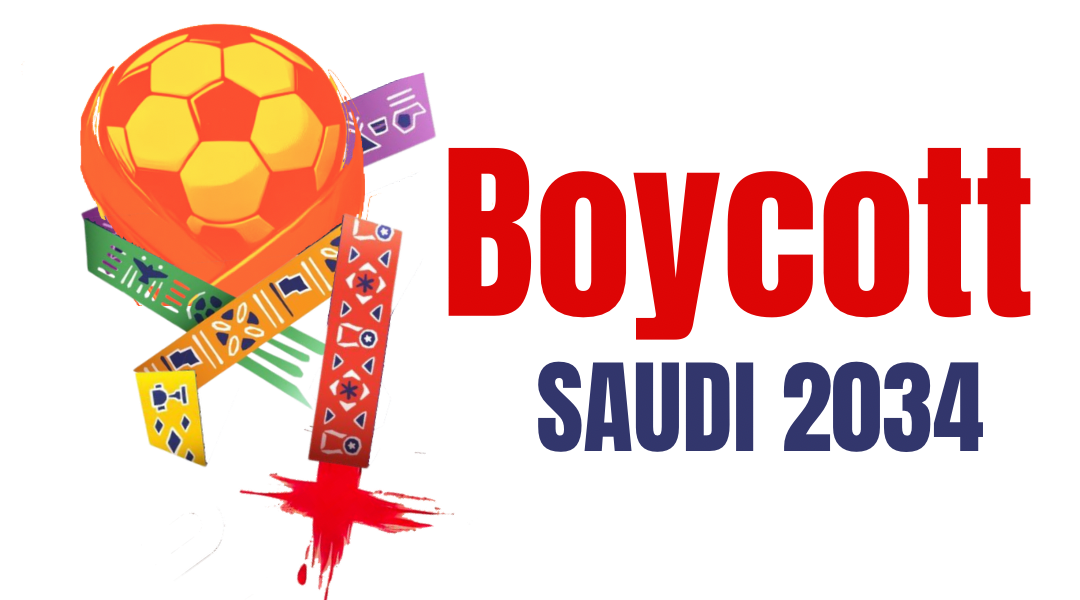

Saudi Arabia’s launch of a $200,000 ’10 Darter’ prize at the Saudi Arabia Masters darts tournament exemplifies sportswashing tactics, drawing parallels to FIFA’s controversial 2034 World Cup hosting amid persistent human rights concerns including migrant worker exploitation, repression of dissent, and labour rights violations.[ from Sportbible] Critics from Amnesty International and Human Rights Watch question FIFA’s compliance with its own standards on transparency, press freedom, and ethical hosting.
Key Developments in Darts Prize Announcement
Sportbible reports that the Professional Darts Corporation (PDC) has introduced a groundbreaking ’10 Darter’ incentive for the Saudi Arabia Masters, offering a staggering $200,000 (£150,000) to any player achieving a perfect 10-dart leg during the event.[ from Sportbible, published 16 January 2026] This marks the first time such a prize has been offered in darts history, organised under the auspices of Saudi Arabia’s General Entertainment Authority, chaired by Turki Alal-Sheikh. Teenage sensation Luke Littler stands to compete for this windfall, as confirmed by Yahoo UK News and Talksport, which detail Littler’s participation alongside rivals in Riyadh.
Sportbible further notes that the tournament, set in Riyadh, builds on Saudi Arabia’s growing investments in darts, following events like the World Series of Darts. ESPN Africa covers a related ‘Golden Bull’ incentive for the World Series in Saudi Arabia, highlighting escalating financial inducements.[ from ESPN Africa, published 15 January 2026] Sportbible in an earlier piece from 8 January 2026 tipped a ‘Golden’ prize, underscoring the pattern of unprecedented rewards.[ from Sportbible] AOL echoes the Littler angle, framing the $200,000 as a “first-of-its-kind” lure.
FIFA’s Human Rights Standards for Host Nations
FIFA mandates that World Cup hosts adhere to its Human Rights Policy, updated in 2016, which requires due diligence on labour rights, transparency in bidding, press freedom, and protections against discrimination.[ from Wikipedia on 2034 FIFA World Cup] This includes binding commitments to international standards like the UN Guiding Principles on Business and Human Rights. NPR reports that Saudi Arabia’s uncontested awarding of the 2034 tournament in December 2024 bypassed competitive bidding, raising transparency red flags.
Amnesty International, via Head of Labour Rights and Sport Steve Cockburn, warns that confirmation of Saudi Arabia as 2034 host “puts many lives at risk” without reforms, citing FIFA’s failure to ensure protections akin to those demanded pre-Qatar 2022.[ from Amnesty International, published 11 December 2024] Cockburn states:
“FIFA’s reckless decision to award the 2034 World Cup to Saudi Arabia without ensuring human rights protections are in place will put many lives at risk. FIFA knows workers will be exploited and even die without fundamental reforms in Saudi Arabia, and yet has chosen to press ahead regardless.”
Sportswashing Connections to Darts and World Cup
The darts prize aligns with Saudi Arabia’s sportswashing strategy, using lavish funding to deflect from governance issues, as seen in its 2034 World Cup bid. Sportcal analyses the broader controversy, noting Saudi investments in sports like darts mirror tactics employed for FIFA approval.[ from Sportcal, published 17 December 2024] University of Western Australia commentary describes Saudi Arabia as a “controversial choice,” linking mega-events to image laundering.
ESPN details a May 2025 complaint to FIFA by lawyers Mark Pieth (former anti-corruption adviser), Stefan Wehrenberg, and Rodney Dixon, accusing the body of failing human rights duties for 2034. The 30-page filing highlights ignored advice and ongoing abuses in freedom of expression, arbitrary detention, migrant rights, and women’s rights.[ from ESPN, published 15 May 2025] They state:
“As highlighted in this complaint, widespread human rights abuses continue to be perpetrated in Saudi Arabia, and no steps are being taken by FIFA to address these in the buildup to the World Cup.”
Labour Rights and Migrant Worker Risks
Saudi Arabia’s construction boom for 2034, including extravagant stadiums exceeding Qatar’s scale, amplifies labour concerns. Sport & Rights Alliance declares FIFA’s award “risks lives,” quoting Steve Cockburn again: “FIFA has broken its own human rights rules… Human Rights Watch already has clear evidence migrant workers will be exposed to deadly harms.”
ALQST report identifies “serious shortcomings” in Saudi’s human rights strategy, reliant on Clifford Chance’s “shockingly poor” assessment criticised by 11 CSOs. It flags risks at Neom and Jeddah Central venues: labour exploitation, forced evictions, and deaths “on a massive scale.”[ from Business & Human Rights Resource Centre, published 12 January 2025] ALQST further notes in December 2025: “A year after FIFA awarded… the repression continues, including with migrant workers dying on construction sites.”
New York Times Athletic reports accusations of FIFA’s “utter negligence” towards migrant workers, citing Square and HRW on fatalities; HRW’s June 2025 piece details Muhammad Arshad’s fatal fall at Al stadium construction.[ from NYT Athletic, 14 May 2025][ from HRW, 11 June 2025] HRW issues a “Red Card” for the Saudi World Cup, predicting abuses under current conditions.
Press Freedom and Repression Issues
FIFA requires host nations to uphold press freedom, yet Saudi Arabia’s record draws ire. Sport & Rights Alliance quotes Taha al-Hajji of ESOHR and Willz of Jafari Jata Solution on repression, evictions for Neom, harsh sentences for defenders like Mohammed al-Bejadi and Ahmed al-Doush, travel bans, 330 executions in 2025, and kafala system persistence. Andrea Florence of Sport & Rights Alliance adds:
“FIFA and its members have willfully chosen to ignore… documented evidence… This decision makes a mockery of FIFA’s own human rights commitments.”
ALQST’s Nadyeen Abdulaziz warns:
“FIFA has a responsibility to act now and ensure meaningful human rights reforms. Without them, this World Cup risks becoming a spectacle built on appalling suffering.”
NPR contextualises the uncontested bid amid these issues.
Implications for Global Stakeholders
These developments question alignment with FIFA’s standards, prompting civil society calls for conditionality. Sport & Rights Alliance urges reforms, with signatories including Amnesty, HRW, trade unions, fans, and migrant groups from Nepal and Kenya. ALQST’s coalition of 15 organisations demands accountability one year post-award.
The darts event, while boosting PDC profiles like Littler’s, underscores ethical dilemmas for athletes, sponsors, and broadcasters. Talksport and Yahoo highlight the prize’s allure, but juxtaposed against Amnesty’s warnings, it fuels debates on sportswashing’s role in eroding accountability.
Broader Debates on Ethical Hosting
Saudi Arabia’s darts foray parallels 2034 preparations, where FIFA’s bid evaluation minimised risks, per ALQST. Critics like HRW argue sponsors and teams will be “tainted” absent reforms. As NPR notes, the kingdom’s selection despite warnings echoes Qatar, challenging global governance norms.
Neutral observers, including Sportcal and UWA, frame this as part of a pattern where financial might trumps rights scrutiny, leaving fans, CSOs, and HR groups demanding transparency and reform ahead of 2034.