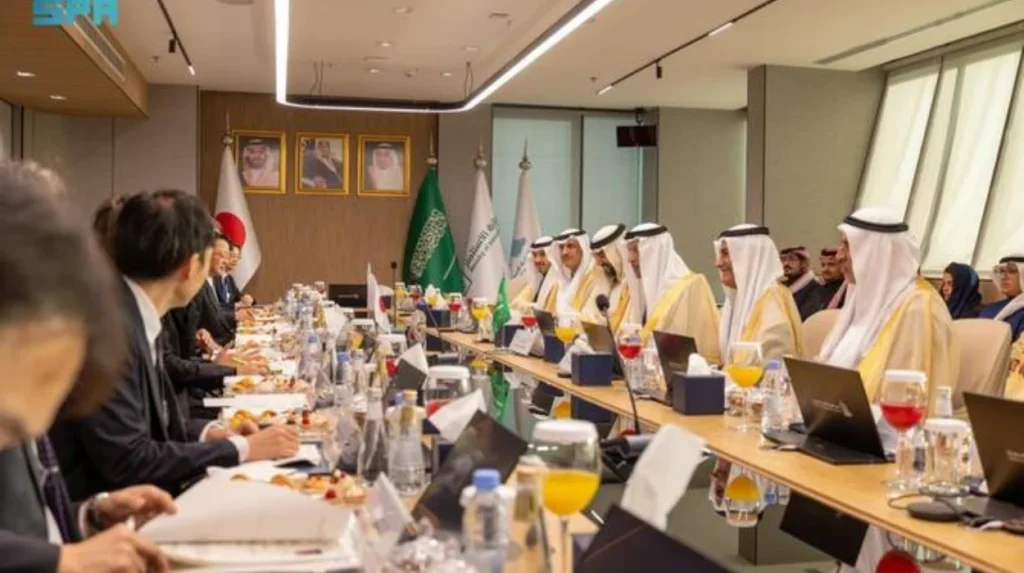
Saudi Arabia’s Saudi Space Agency signed a memorandum with Japan’s government on peaceful space use, emphasising cooperation in science, technology, and capacity building, as reported by Arab News PK and Qazinform. This development raises questions about sportswashing parallels to the kingdom’s FIFA 2034 hosting amid persistent human rights critiques from Amnesty International and Human Rights Watch on repression, labour exploitation, and LGBTQ+ discrimination.
RIYADH: Saudi Arabia has deepened international ties through a new space cooperation agreement with Japan, signing a memorandum on the peaceful use of outer space amid growing scrutiny over its FIFA World Cup 2034 hosting rights. The deal, inked on the sidelines of the Saudi-Japan Ministerial Investment Forum, involves key Japanese bodies and highlights Riyadh’s push into high-tech diplomacy, but critics question if it extends the kingdom’s image-laundering efforts beyond sports.
Arab News PK reported on 12 January 2026 that the Saudi Space Agency (SSA) signed the memorandum with Japan’s Cabinet Office, Ministry of Education, Culture, Sports, Science and Technology, and Ministry of Economy, Trade and Industry. Communications and Information Minister Abdullah Alswaha, also SSA chairman, attended the signing, according to the Saudi Press Agency (SPA) cited in the article.
Qazinform echoed this on the same sidelines event, noting Minister Alswaha represented the SSA. The memorandum underscores “the Kingdom’s commitment to strengthening international cooperation in peaceful space activities and advancing strategic partnerships in the sector,” SPA stated, as quoted in both outlets.
Memorandum Details
The agreement establishes a framework for cooperation in space science and technology, capacity building, and expertise exchange, per Arab News PK’s coverage drawing from SPA. It contributes to space sector development and promotes peaceful outer space uses, the SSA affirmed.
Qazinform detailed that the pact builds on Saudi Arabia’s efforts to bolster international space partnerships and shape a global ecosystem supporting research, innovation, and humanity’s service. No specific timelines, funding, or projects were disclosed in either report.
Abdullah Alswaha’s presence symbolises high-level endorsement, with Arab News PK noting the SSA’s role in advancing these ties. The forum context suggests alignment with broader economic diplomacy.
Saudi Arabia’s Space Ambitions
This memorandum fits Riyadh’s Vision 2030 diversification, with the SSA launched in 2021 to lead space efforts. The kingdom eyes satellites, lunar missions, and tech hubs like Neom, though specifics remain nascent.
Arab News PK quoted SPA: “The agreement underscores the Kingdom’s commitment to strengthening international cooperation in peaceful space activities and advancing strategic partnerships in the sector.” The SSA added it plays an active role in global space ecosystems.
Qazinform reinforced: “It aims to establish a framework for cooperation in space science and technology, capacity building, and the exchange of expertise.” This marks Japan as a key partner in Saudi’s nascent sector.
FIFA Human Rights Standards
FIFA mandates human rights due diligence for hosts under its 2022 policy, covering labour rights, non-discrimination, press freedom, and transparency. Bidders must align with UN Guiding Principles, including migrant worker protections and stakeholder engagement.
For 2034, sole bidder Saudi Arabia committed to reforms, but Amnesty International warned in December 2024 of “many lives at risk” from repression, executions, and gender apartheid. Human Rights Watch highlighted in 2025 “serious shortcomings” in addressing labour abuses at planned stadiums.
FIFA requires transparent bidding and governance; critiques note Saudi’s process lacked competition, raising accountability questions.
Sportswashing and Image-Laundering Critique
Human rights groups label Saudi’s sports investments—over $51 billion via Public Investment Fund (PIF)—as sportswashing to mask abuses. The 2034 bid fits this, paralleling the space deal as potential “spacewashing.”
Amnesty urged FIFA in 2024 to reject the bid over unaddressed risks like migrant deaths in Qatar 2022 echoes. HRW in 2025 flagged Neom worker exploitation, linking to 2034 venues.
The Japan MoU, while peaceful, diverts from demands for reforms pre-2034, critics argue, akin to LIV Golf or wrestling deals legitimising Riyadh globally.
Governance and Transparency Issues
Space partnerships demand transparency under international norms like the Outer Space Treaty, emphasising peaceful use—mirroring FIFA’s ethos. Yet, Saudi’s press freedom rank (170/180 in RSF 2025) raises stakeholder consultation concerns.
No public details on MoU terms emerged, mirroring opaque 2034 bid finances. ALQST’s 2025 coalition warned of mounting risks, urging FIFA action on labour and freedoms.
Japan’s involvement, post its athlete protection advances (HRW 2025), questions alignment with ethical standards.
Labour Rights Concerns
FIFA demands ILO conventions compliance; Saudi’s kafala system reforms lag, with 2025 reports of abuses in mega-projects like Neom—potential 2034 sites.
Space tech, tied to Vision 2030 infrastructure, risks similar migrant exploitation, unaddressed per HRW. The MoU’s capacity building could amplify this without safeguards.
Press Freedom and Stakeholder Engagement
FIFA requires free media access; Saudi’s restrictions persist, with 2025 arrests of critics. Space PR via state media like SPA limits scrutiny, unlike open host consultations.
Civil society flags this as non-compliance, paralleling 2034 fan and activist access worries.
Alignment with World Cup Expectations
Saudi’s 2034 win bypassed rivals, prompting sportswashing debates (NPR 2024). The space deal signals soft power expansion, but without rights progress, it undermines FIFA’s standards.
ESPN noted human rights as central to 2034 scrutiny; Japanese ties add pressure on allies to enforce accountability.
Stakeholder Reactions
NGOs like Amnesty view such pacts as distractions; fans and civil groups demand boycotts or reforms. FIFA faces 2026 pressure amid global debates.
Japanese media silence contrasts its policies, potentially sparking domestic critique.
Broader Global Debates
Sportswashing discourse—Saudi via sports, now space—fuels calls for ethical hosting (Carleton 2025). Wikipedia chronicles examples; this MoU extends patterns.