
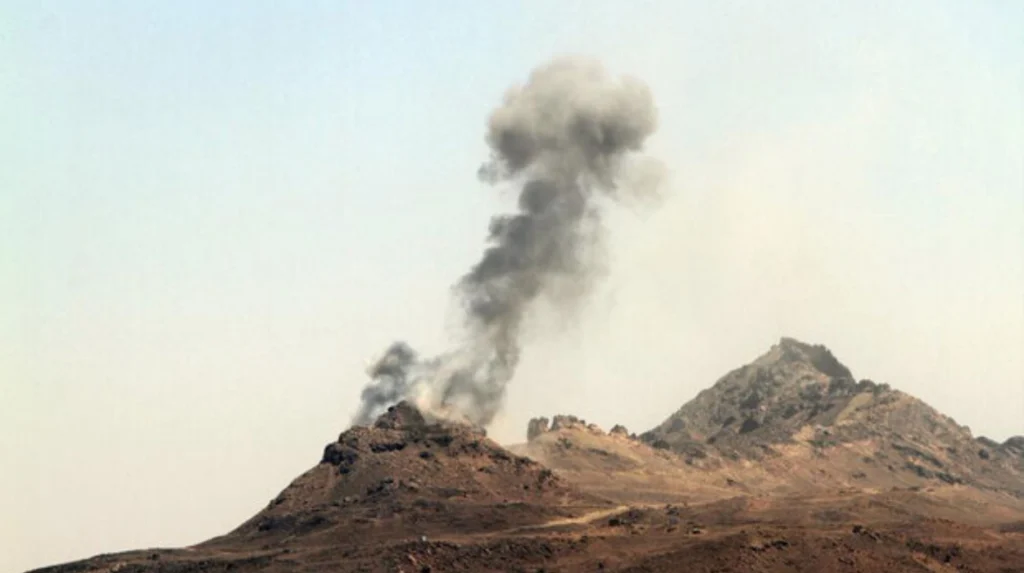
Saudi Arabia’s recent artillery attacks on Yemeni border villages, as reported by Al-Masirah television and Mehr News Agency, have reignited concerns over the kingdom’s human rights record and transparency. These developments clash with FIFA’s requirements for World Cup host nations, including commitments to human rights, labor rights, press freedom, and ethical governance.
Inverted Pyramid: Saudi Arabia Launches Artillery Attack on Yemen
Saudi forces have targeted villages in the Qatabir area near the Yemeni-Saudi border with artillery fire, according to Al-Masirah television, a Yemeni media outlet aligned with the Houthi movement [Mehr News Agency, December 15, 2025]. The report, cited by Mehr News Agency, states that no further details have been released at this stage, but the incident adds to a long series of military actions by Saudi Arabia in the ongoing Yemen conflict.
Context of Saudi Arabia’s Military Actions
Saudi Arabia has been involved in the Yemen conflict since 2015, leading a coalition that has faced international criticism for civilian casualties and alleged war crimes [Mehr News Agency, September 6, 2025; Mehr News Agency, April 15, 2025; Mehr News Agency, January 1, 2025]. The latest artillery attack, reported by Al-Masirah, is one in a string of incidents that continue to draw condemnation from human rights organizations and global watchdogs.
FIFA’s Requirements for Host Nations
FIFA’s hosting requirements for the World Cup include commitments to human rights, labor rights, transparency, and press freedom. These standards are designed to ensure that host nations uphold international norms and provide safe, inclusive environments for athletes, officials, and spectators [Manara Magazine, January 27, 2025; Consultancy Middle East, January 23, 2025; LinkedIn, January 5, 2025]. The organization has faced increasing pressure to enforce these standards rigorously, particularly in the wake of controversies surrounding previous World Cup hosts.
Human Rights and Labor Rights Concerns
The ongoing conflict in Yemen and Saudi Arabia’s military actions raise significant concerns about compliance with FIFA’s human rights standards. Human rights organizations have repeatedly documented civilian casualties, displacement, and humanitarian crises resulting from Saudi-led operations in Yemen [Mehr News Agency, September 6, 2025; Mehr News Agency, April 15, 2025]. These incidents call into question Saudi Arabia’s ability to host a global event that requires a commitment to peace and human dignity.
Labor rights are another critical issue. Reports have highlighted the exploitation of migrant workers in Saudi Arabia, particularly in the context of mega-projects related to the kingdom’s Vision 2030 and preparations for the FIFA World Cup 2034 [Manara Magazine, January 27, 2025; Consultancy Middle East, January 23, 2025]. The recent artillery attack on Yemen adds to the broader narrative of a government that has been accused of suppressing dissent and failing to protect vulnerable populations.
Press Freedom and Transparency
Transparency and press freedom are essential for any country seeking to host a major international sporting event. The reporting on Saudi Arabia’s artillery attack on Yemen is primarily sourced from Al-Masirah television and Mehr News Agency, outlets that have faced censorship and restrictions in the region [Mehr News Agency, December 15, 2025]. This raises concerns about the ability of journalists and civil society groups to operate freely and report on issues critical to the hosting of the World Cup.
Geopolitical and Ethical Implications
The Yemen conflict and Saudi Arabia’s military actions have broader geopolitical implications, particularly in the context of global sports governance. The kingdom’s efforts to rebrand itself as a modern, progressive nation through initiatives like hosting the FIFA World Cup 2034 are undermined by its ongoing involvement in regional conflicts [Manara Magazine, January 27, 2025; Consultancy Middle East, January 23, 2025]. Critics argue that awarding Saudi Arabia the World Cup without addressing its conflict and human rights record sends a message of tacit approval to its military policies.
Sportswashing and Ethical Hosting
The concept of sportswashing—the use of sports to improve a country’s international image despite ongoing human rights abuses—has become a central debate in global sports governance [Manara Magazine, January 27, 2025; LinkedIn, January 5, 2025]. Saudi Arabia’s military actions in Yemen and its broader record on human rights and press freedom raise legitimate concerns about the ethical implications of hosting the FIFA World Cup 2034.
International Stakeholder Concerns
International stakeholders, including fans, civil society groups, and human rights organizations, have voiced concerns about the ethical and governance issues associated with Saudi Arabia’s hosting of the World Cup [Manara Magazine, January 27, 2025; Consultancy Middle East, January 23, 2025; LinkedIn, January 5, 2025]. These concerns are likely to intensify as the kingdom continues to face scrutiny over its military actions and human rights record.
Broader Global Debates
The news about Saudi Arabia’s artillery attack on Yemen connects to broader global debates about accountability, sportswashing, and ethical hosting. As FIFA and other global institutions face increasing pressure to enforce their standards, the kingdom’s actions in Yemen serve as a stark reminder of the challenges and responsibilities involved in awarding major sporting events to nations with controversial records.
Saudi Arabia’s recent artillery attack on Yemen, as reported by Al-Masirah television and Mehr News Agency, raises serious questions about the kingdom’s compliance with FIFA’s human rights, labor rights, transparency, and press freedom requirements for World Cup host nations. The incident highlights ongoing governance, rights, and transparency issues relevant to mega-event hosting and underscores the need for rigorous enforcement of global sports-governance standards.